ProView – Edelrid Helios Review
The Helios is Edelrid’s high-comfort sport harness, and it’s built around the idea that most of the discomfort in a harness comes from padding sitting in the wrong places, not from having too little of it. I tested it over several weeks of sport climbing, a 17-pitch route, and my regular work routesetting and instructing. All three settings involve a lot of hanging and falling still, which turned out to be exactly where this harness earns its keep.
Edelrid Helios
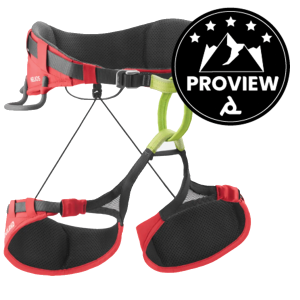
Product Name: Edelrid Helios
Product Description: The versatile HELIOS climbing harness is all about incredible comfort. This is because the waist belt and leg loops use three-dimensional molding and feature 3D Pad technology. This strategically focuses the padding on the areas in which it is truly required. That means extra padding on the sides of the waist belt and less padding in the spine area.
Offer price: MSRP: $150
Currency: USD
-
Quality
(4.5)
-
Features
(4.5)
-
Fit
(4)
-
Durability
(4)
-
Eco-Friendly
(4)
-
Hang Comfort
(5)
Summary
The Edelrid Helios backs up its comfort claims with genuinely better hang comfort, smart gear loop placement, a slim tie-in profile, and real environmental and labor certifications behind it. Built for climbers who spend as much time hanging as climbing.
Overall
4.3Pros
- Best hang and fall comfort
- Red wear-indicator in belay loop
- Thin, supple belay loop and low-profile tie-in
- Raised front gear loops
- True to size
- bluesign® and Fair Wear certified
Cons
- Leg loop buckle cover is hard to release and frays
- Doesn’t compress small
- Fabric isn’t recycled
- Premium price
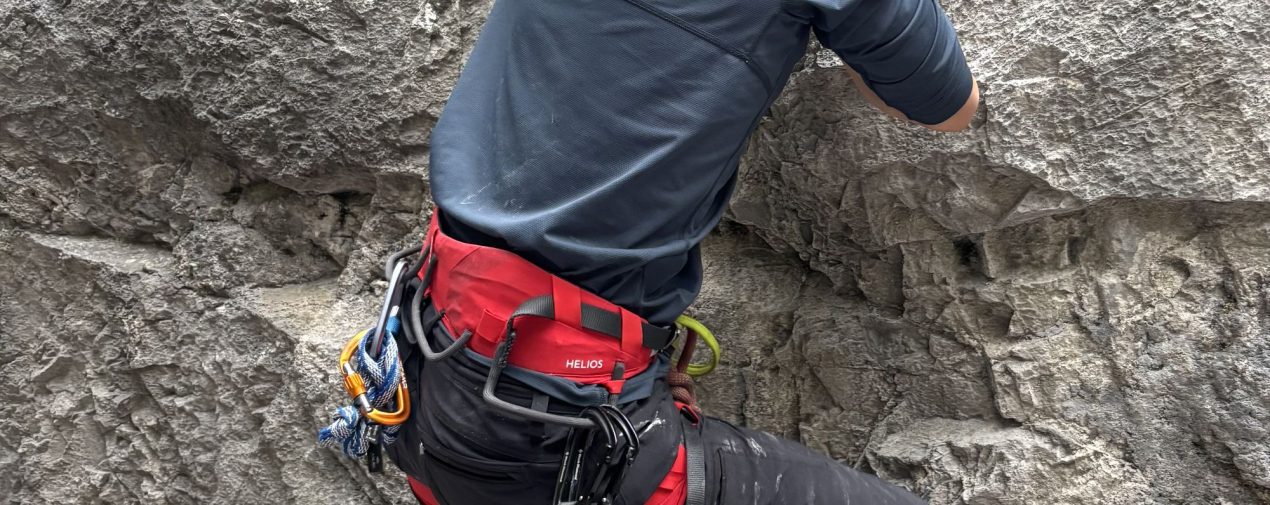
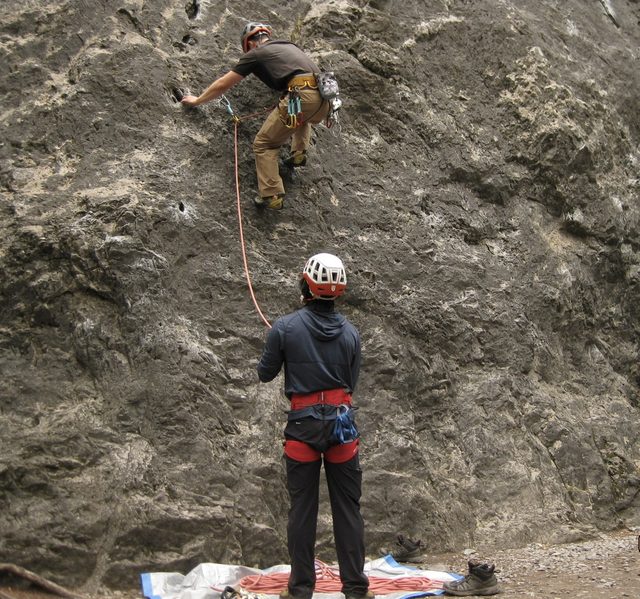
I started at Acephale on a clear morning, tying in for a route I’d been working for a few weeks. The climbing is sustained, so I was pumped and hanging on draws more than I’d like on most attempts, working the same sequence over and over. Falling and hanging that many times in a session usually means noticing pressure points by the end of the day, especially at the hip bones and around the leg loop seams. That didn’t happen with the Helios, even after a full session of repeated falls.
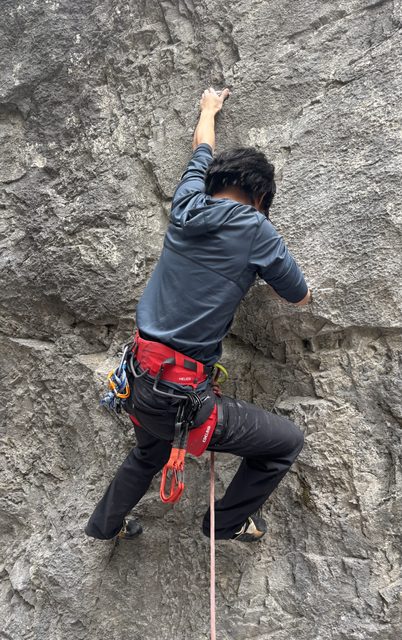
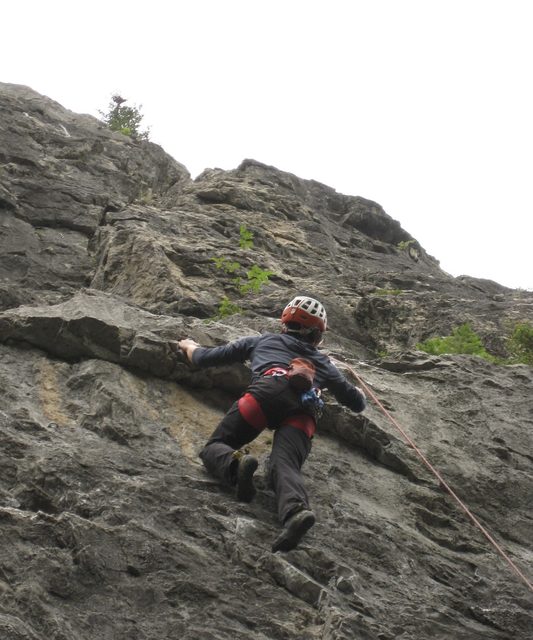
A few days later I climbed at Heart Creek, which is a different kind of day: shorter, steeper routes back to back. Tie in, climb, lower, untie, walk to the next route, tie in again. It’s less about one long hang and more about repetition, with the buckles going through a lot of adjustments and the gear loops getting loaded and unloaded all day. The raised front gear loops were useful here specifically, since I could grab a draw quickly, which adds up over almost a dozen draws.
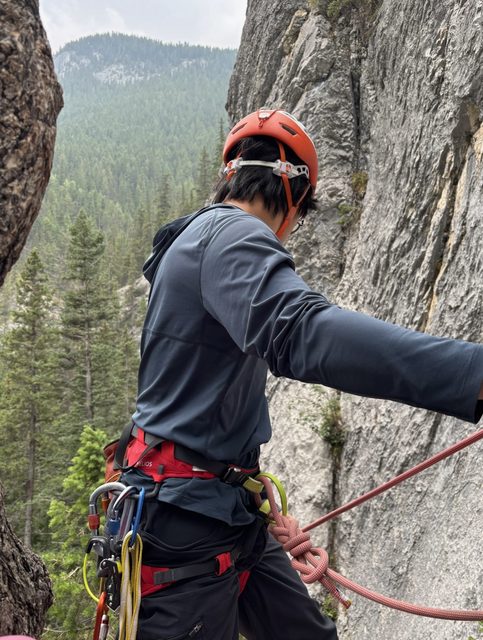
Then came Heart Line: 17 pitches, most of a day on the wall, starting at sunrise. Around pitch twelve, I was at a hanging belay with my feet on a small ledge, waiting out a slow lead above me for close to twenty minutes. That kind of belay is usually where I start feeling it. By the final anchor, my legs and back were tired from the climbing itself, but my hips and waist weren’t sore in the way they usually are after a day like that.
Fit/Comfort
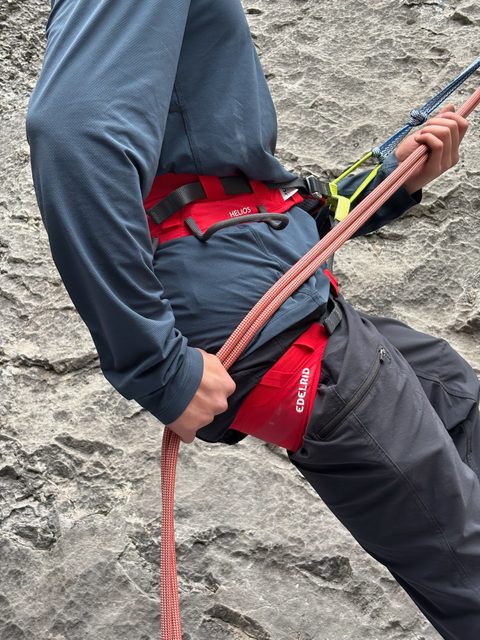
Fit true to size. The padding sits at the sides of the waist belt and the back of the leg loops, with less padding across the spine, so the pressure gets spread out where you actually load the harness instead of sitting evenly, including in spots where it doesn’t do much. After long hangs cleaning routes or belaying students, I noticed a lot less digging at the hip bones and leg loop seams than I’m used to. Falls also felt better cushioned than on other harnesses I’ve worn.
Look/Style
Sleek and modern: the bright red color was a refreshing reminder that climbing gear is allowed to be bright and colorful, opposing the modern trend of muted, pale colors.
Features
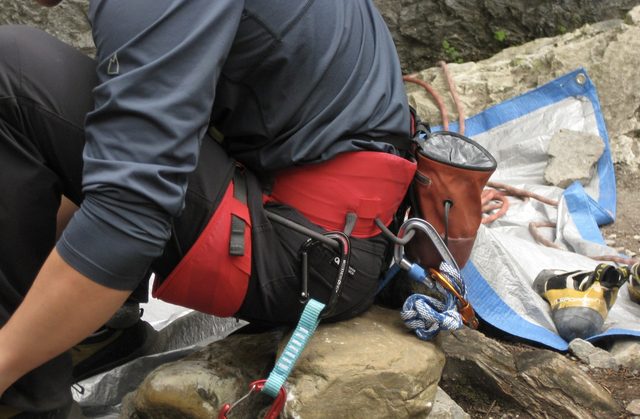
The two front gear loops are pre-shaped to sit raised and pointed outward, so grabbing a draw or a piece of gear doesn’t require hunting around on the harness. The central ring is Dyneema and polyamide, built kernmantle-style, and it’s noticeably thinner and more supple than the central rings on other harnesses I’ve used. Paired with a low-profile tie-in, that keeps the tie-in point compact, which is useful on thin or technical terrain where extra bulk at your waist gets in the way.
Edelrid also builds a red indicator fiber into the belay loop. As the loop wears, that red fiber becomes visible, which is a straightforward way to know when a load-bearing part needs to be inspected or retired, rather than guessing.
The leg loop buckles have a fabric cover meant to stop them from loosening by accident. It works, but it also makes the buckle harder to release on purpose. I usually have to tug at it from an angle instead of a straight pull. After a few weeks of regular adjustment, that fabric cover is already starting to fray.
Weight/Packability
Given everything packed into this harness (3D padding, five gear loops, a full-size central ring, ice screw clip attachments), it’s genuinely light. It doesn’t pack down especially small, though. Not an issue if it’s living in a gym bag or crag pack, but worth knowing if you’re trying to save space for an alpine approach.
Function/Durability/Construction
After several weeks of hard use, the only real wear I’ve seen is on that leg loop buckle cover. No fraying on the webbing itself, no play in the buckles, and no visible abrasion on the central ring despite constant tie-in cycling.
The harness has matched what the product description promises, and the hang comfort has exceeded it. The 3D Pad system and butterfly-shaped waist belt aren’t just marketing language. I can feel the difference they make.
For pairing, a slim chalk bag suits the setup well, and a rope with a supple sheath makes the most of the low-profile tie-in.
What Sets It Apart
Most harnesses chase comfort by padding the whole waist belt and leg loops evenly. The Helios instead puts padding at the sides of the waist belt and the back of the leg loops, the parts that actually carry load when you’re hanging or leaning back, and pulls padding out of the spine area, where it just adds bulk. Edelrid developed this with the Technical University of Munich. You won’t notice much difference in the first few minutes of wearing it; the difference shows up after an hour or two under load, which is exactly when a harness with even padding starts to develop hot spots.
The thin Dyneema central ring is the other standout. Most harnesses with this much padding don’t manage a tie-in point this compact. It’s seriously thin and supple.
Who Is This For?
This harness makes the most sense for climbers who spend a lot of time under load in a single outing: sport and trad climbers projecting routes with repeated falls and hangs, multipitch climbers on long days, alpine and ice climbers who need a harness that keeps performing in the cold while they manage extra gear, and route setters or instructors who hang static for a living. If your time in a harness is mostly short top-rope laps, you probably won’t notice what the 3D Pad system is doing, since it only shows up under sustained load. If you fall a lot, hang for long stretches, work in a harness, or are building toward more technical alpine objectives, the comfort difference is worth the price.
Friendliness to the Earth
The Helios is bluesign approved, which is worth explaining rather than just naming. bluesign® is an independent certification that audits the entire production chain, not just the finished harness, against five standards: resource productivity, consumer safety, water emissions, air emissions, and worker safety at the manufacturing level. In practice, it means the chemicals, dyes, and processes used to make the Helios have been vetted to cut down on environmental impact and remove harmful substances, from raw materials through to the finished product. That’s a real standard to meet, not just a company saying its gear is eco-friendly.
Edelrid has also partnered with the Fair Wear Foundation since mid-2021. Fair Wear is a separate organization, a group of brands, worker representatives, and NGOs focused on improving working conditions at garment and gear factories, covering things like fair wages, reasonable hours, and workers’ right to organize. bluesign® covers the environmental and chemical side of production; Fair Wear covers the labor side. Having both in place gives a fuller picture of how the harness was actually made, not just what it’s made of.
Between the two, the Helios checks boxes on both the materials and the labor conditions behind them. Worth noting: Edelrid’s own Moe 3R harness goes a step further with partially recycled materials, so if that’s your top priority, it’s worth comparing the two within Edelrid’s own lineup.
Room for Improvement
The leg loop buckle’s fabric cover makes the buckle harder to loosen than it needs to be, and wears out with regular use. Doesn’t pack down as small as its actual weight would suggest.
The Final Word
The Edelrid Helios backs up its comfort claims with genuinely better hang comfort, smart gear loop placement, a slim tie-in profile, and real environmental and labor certifications behind it. Built for climbers who spend as much time hanging as climbing.
What I loved:
- Hang comfort better than anything else I’ve worn, a real advantage on long routesetting, instructing, and multi-pitch days
- Raised front gear loops that make gear access fast and easy
- A thin, low-profile central ring that keeps tie-ins slim on technical terrain, plus a red indicator fiber in the belay loop for a clear wear signal
Shop the Edelrid on Outdoor Prolink. Not a member? Apply today
See other Edelrid reviews
About the Gear Tester
Roger Chan
Roger is a certified climbing instructor and active routesetter at the University of Alberta, currently working toward ACMG alpine guide certification. His climbing spans hard single-pitch and multi-pitch sport and trad routes, alpine and ice climbing in the Canadian Rockies where he climbs most weekends when conditions allow. He is also studying chemistry at university, which shapes a particular interest in how outdoor gear is actually made. You can connect with him on Instagram at @rogerczan.