4 Ways Climate Change is Affecting Your Outdoor Experiences
As people who recreate outdoors, being in tune with our environments is critical for safety, survival, and enjoyment. You’ve probably noticed that when conditions differ from last year, packing needs shift and timing requires more thought. Did you know some of these changes you’re noticing (and some you’re not) are related to climate change?
Here are four ways your outdoor experiences are affected by the changing climate:
1. Swift weather changes
Even the most seasoned adventurers get caught out in gnarly conditions on occasion. But think back to the last few years. How many times did weather events that weren’t in the forecast suddenly pop up? Snowstorms, lightning, and flash flooding are a few examples of extreme weather changes linked to climate change that require immediate action to get off the trail/mountain/water and into a safe location.
What used to feel like a solid window of time to recreate at elevation before retiring below the treeline for afternoon storms is no longer a near-guarantee. Casual wake-ups, pre-hike coffee stops, and lollygagging may mean you miss that ever-shrinking window and end up drenched, slipping down the trail, or even stuck on the mountainside waiting for conditions to improve.
Ways to Stay Safe
Use a weather app with in-the-moment notification settings (like WeatherBug’s lightning alerts) to give you even a brief warning to get ahead of changing weather. Consider taking a storm spotter training through the National Weather Service to better understand conditions like clouds, temperature, and barometric pressure to help you better understand your surroundings while recreating outdoors.
2. Less/more everything
Higher temperatures, lower temperatures, less snow, more snow, flooding, and drought are a few examples of extremes we’re facing across the globe. As I write this story on March 15th from Central Wisconsin, my forearms ache from raking two feet of snow off my yurt from a “historic” and “unprecedented” overnight storm. Those two terms seem to be on rotation lately. Think: Severe winter storms in Yosemite, flooding in Death Valley, even more than usual avalanches in places like Rocky Mountain and Glacier National Parks.
You may even experience climate change when traveling to your outdoor destination in the form of airplane turbulence, brittle/broken up roads, and having to re-route to avoid the effects of X, Y, or Z disaster of the season.
Did I mention changes in insect populations? Increasing temperatures, milder winters, and more flooding means greater ranges for incredibly annoying (and potentially dangerous) populations of pests like mosquitoes and ticks. That means more exposure to diseases like Zika, dengue fever, and Lyme for outdoor recreation enthusiasts just about everywhere.
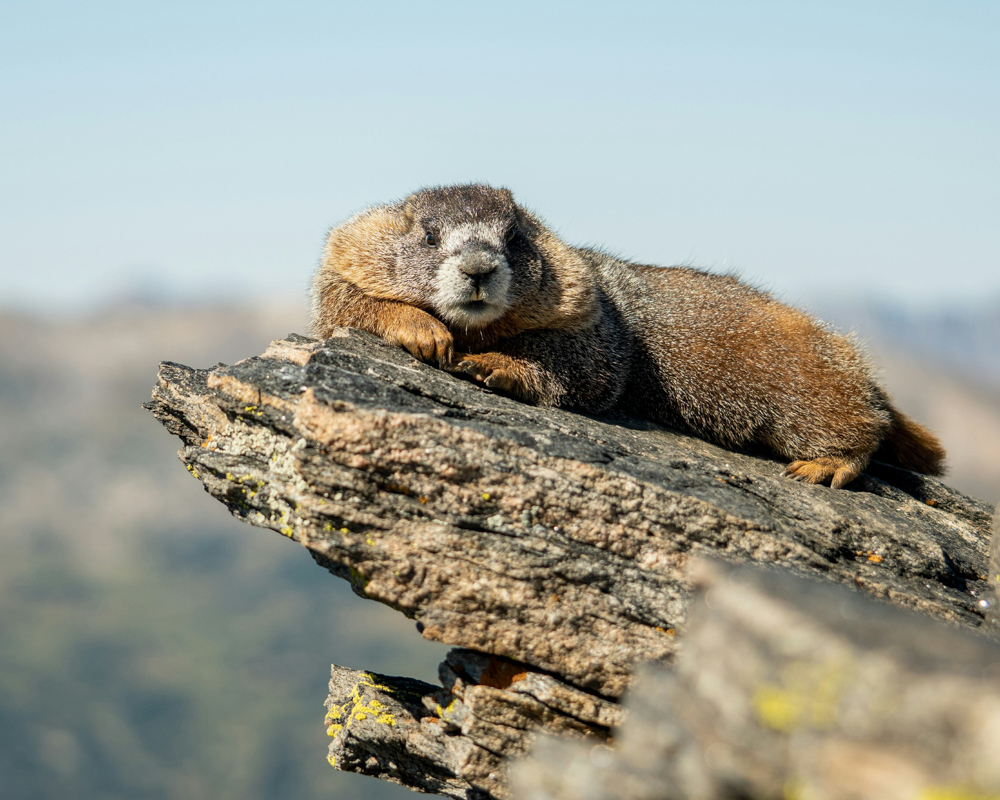
3. Shifting Wildlife Encounters
Unsurprisingly, wildlife feels the immediate and lasting effects of climate change, too. Timing issues (such as seasonal shifts) are one key problem affecting food sources, migration, and ecological balance. For some species, survival and reproduction rates are decreasing due to shifts in temperature, moisture, storms, and food access. You may have noticed a range shift, like spotting a new critter in a place you frequent. The species may have been forced to adapt to the changing environment by altering their range, or where they live, to survive. Or, you may notice significantly less of a species you love. (I’m looking at you, Midwestern toads!)
As I watch the snow continue to fall for nearly 24 hours straight, I think of the wood ducks, blue birds, and woodcocks I was so excited to see last week for the first time this year. I wonder how they’re faring now that many of their food sources are buried under two feet of snow and whether they wish they’d stayed longer in more Southern climates. I bought extra suet pucks (bird seed) to help our backyard bird crew until next week, when all of this frozen moisture will melt, revealing bugs and seeds once more. I thought I heard a spring peeper frog three days ago. Now, I hope I didn’t. The neighbors let me know they had a bear out of hibernation on their property two weeks ago. No one else has seen this anomaly, likely a lone male who swiftly returned to his den after realizing he was too early for a safe exit from his seasonal dormancy.
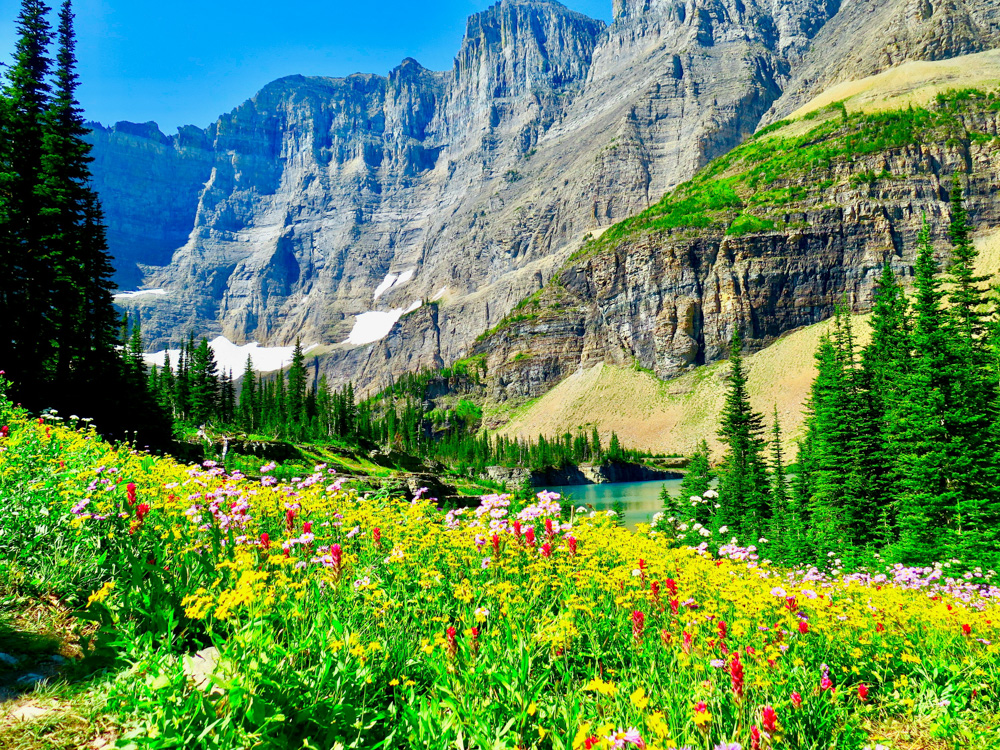
Changing Landscapes
Even if you’re not outdoors during a major weather event, you may still experience its effects. Flooding may wash out trails and campsites, closing access roads to areas you planned on visiting. The features on your map may not quite match what you’re seeing in real life, whether from a wildfire, straightline winds, or other severe weather conditions. Campsites you heard great things about may no longer have the same stunning vistas or allow campfires for cozy nighttime ambiance and tasty cooking.
Extreme drought and high temperatures are killing vegetation like Joshua trees, leading scientists to consider (and work toward) genetically altering future species to live in more hospitable climates. Some plants you would normally see at your favorite hike or boat put-in may even be hiding in times of stress, waiting beneath the soil for more optimal conditions before sprouting again. All these adaptations can have long-term implications, including changing species (and killing some off) for good.
If climate change has you concerned about the outdoor spaces you love, consider attending a climate cafe to talk about your climate emotions, donate to conservation orgs in places you care about, and reduce your footprint on the planet. (Think: use less plastic, shop secondhand, eat locally, practice sustainability, take public transit or bike.)
About the Gear Tester
Hatie Parmeter
Hatie Parmeter (she/her) digs hiking, paddling, and yoga. She's a writer and editor in the outdoor industry and is working toward an MS in Clinical Mental Health Counseling. Soon, you'll find her teaching wilderness mental health resources for outdoor outfitters, guides, camps, and more. Bio image is by Lauren Danilek.
- Hatie Parmeter

- Hatie Parmeter
- Hatie Parmeter
- Hatie Parmeter
- Hatie Parmeter
- Hatie Parmeter
- Hatie Parmeter
- Hatie Parmeter

- Hatie Parmeter
- Hatie Parmeter
- Hatie Parmeter
- Hatie Parmeter

- Hatie Parmeter
- Hatie Parmeter
- Hatie Parmeter
- Hatie Parmeter