

Conservation and Community: Axis Deer Hunting in Hawaii
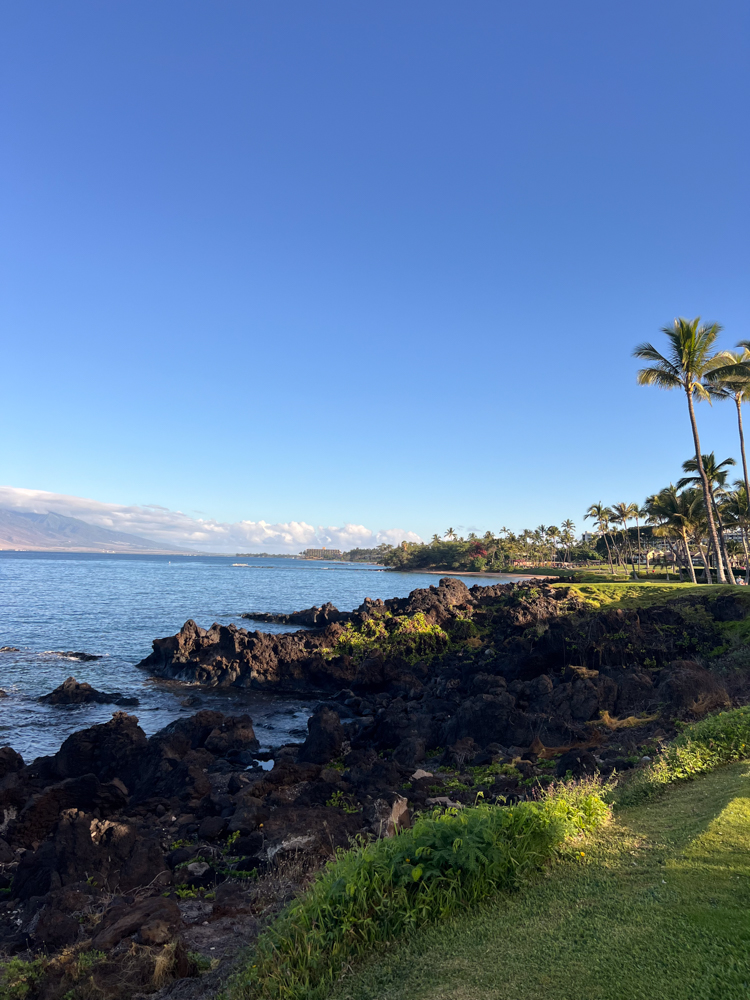
The first time I hunted with a view of the ocean, I did a double-take. Coming from Montana, where hunting usually means climbing into snowy mountains or glassing endless prairie, being on the islands (wearing a tank top, no less) felt almost surreal.
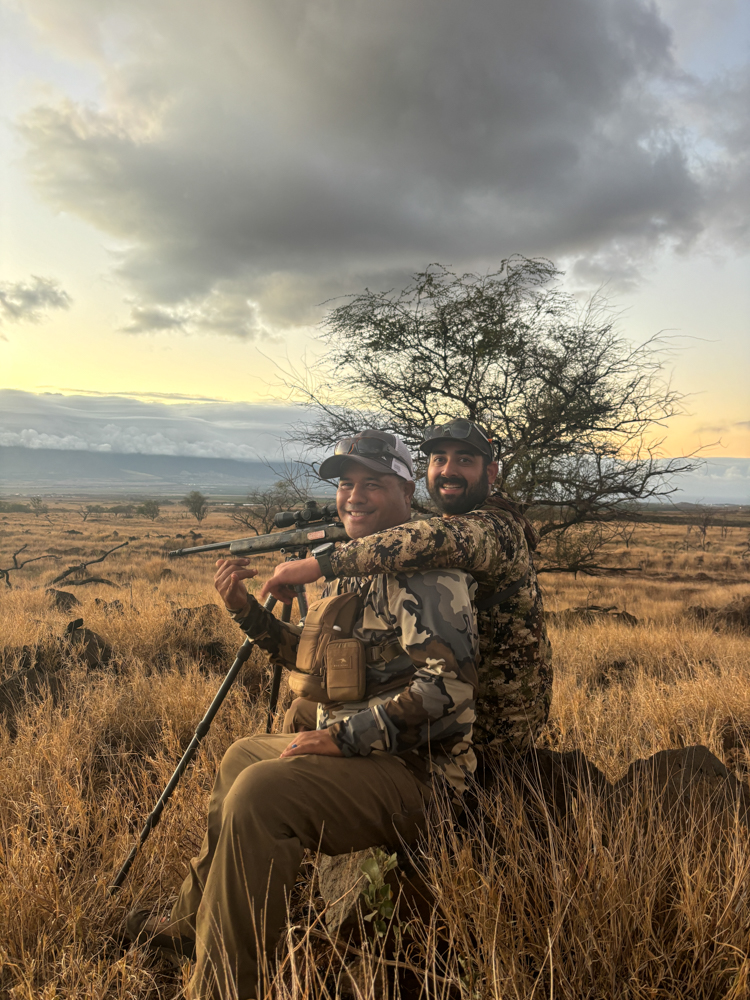
We chose to hunt Axis Deer on Maui after learning about the incredible meat, the island’s overpopulation problem, and the role hunting plays in protecting native ecosystems. Plus, we could turn it into a trip the whole family could enjoy. Compared to hunting back home, it felt more relaxed, but also more meaningful – like I was participating in something much bigger than just filling my freezer.
The Axis Deer Problem: An Invasive Species Without Predators
Before heading to Maui, I already knew Axis Deer were considered invasive. However, being there and seeing their impact firsthand gave me a new level of understanding. Hawaii’s native plants didn’t evolve alongside ungulates, so the constant trampling and grazing cause serious damage. Axis deer are also a major contributor to wildfire risk, especially as they strip vegetation and dry grasses take over – something that’s become even more urgent in the wake of the Lahaina fire.
The biggest challenge? There are no natural predators to keep the population in check. Hunting is the only meaningful way to manage their numbers. Our guide, who also works as a professional harvester for Maui Nui Venison, talked about the importance of this work not just for conservation, but for food systems. It was eye-opening to learn that the meat Maui Nui distributes is truly wild, ethically sourced, and harvested with care – just like a traditional hunt.
A Different Kind of Conservation Ethic
What struck me most about conservation in Hawaii was how deeply it’s woven into everyday life. Even among people who don’t hunt, there’s a strong respect for the land and a shared understanding that the health of the ecosystem matters. Compared to the mainland, it felt like people in Hawaii are more connected to the land – and more united in their desire to protect it.
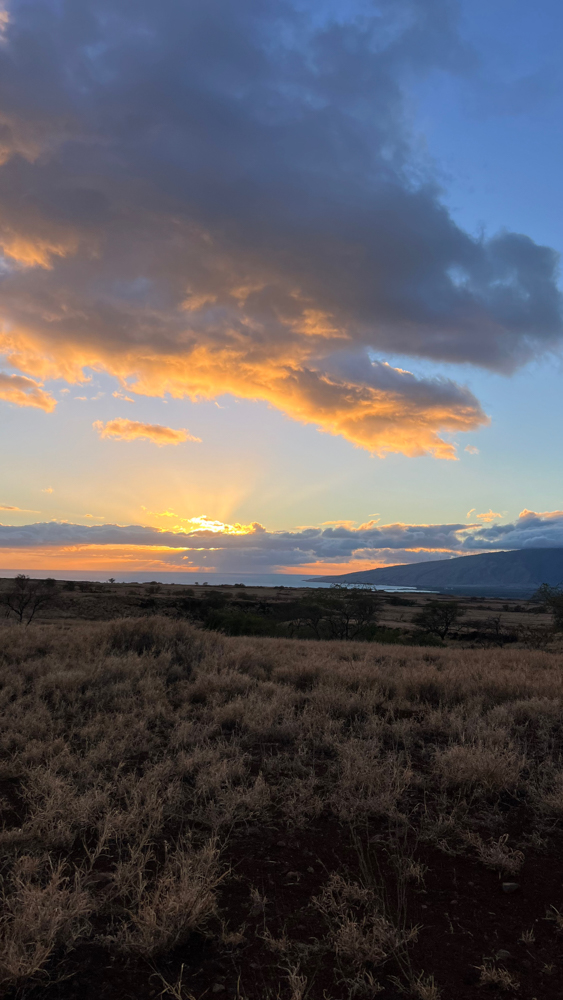
The hunting itself reflected that mindset. It wasn’t competitive or rushed. Each morning we gathered over coffee and watched the sunrise together before heading out. It felt slower, more intentional, like we were on island time. And instead of just being about the individual harvest, the whole experience felt like part of a larger stewardship effort. The guides took pride in their work, knowing that every deer removed was helping the land heal. Everything felt more interconnected – people, animals, food, and landscape all part of the same system.
A Hunt That Felt Different
I underestimated the terrain. Coming from the mountains of Montana, I assumed a hunt at sea level wouldn’t be physically challenging. I was wrong. The heat and sun exposure made everything more exhausting, and hiking through sand added a level of fatigue I hadn’t expected. It wasn’t steep, but it was humbling in a different way.
Axis Deer are incredibly fast and alert, which meant we had to move and shoot quickly. There wasn’t time to find the perfect setup or wait for the ideal angle. If you weren’t ready, the moment passed. That pace added a different kind of intensity to the hunt.
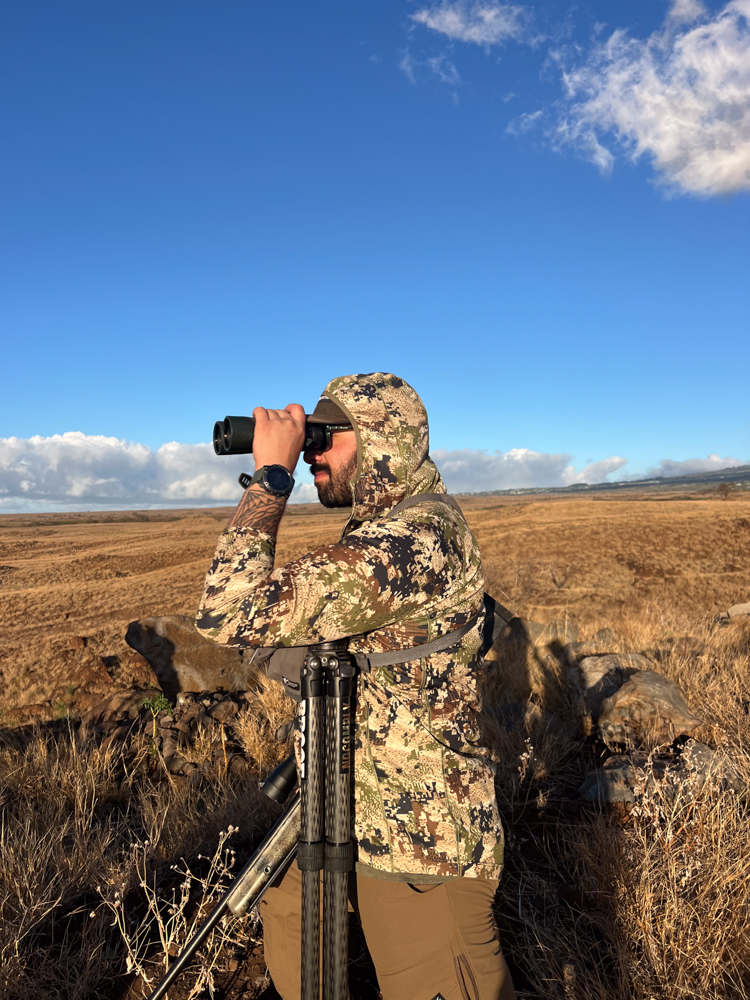
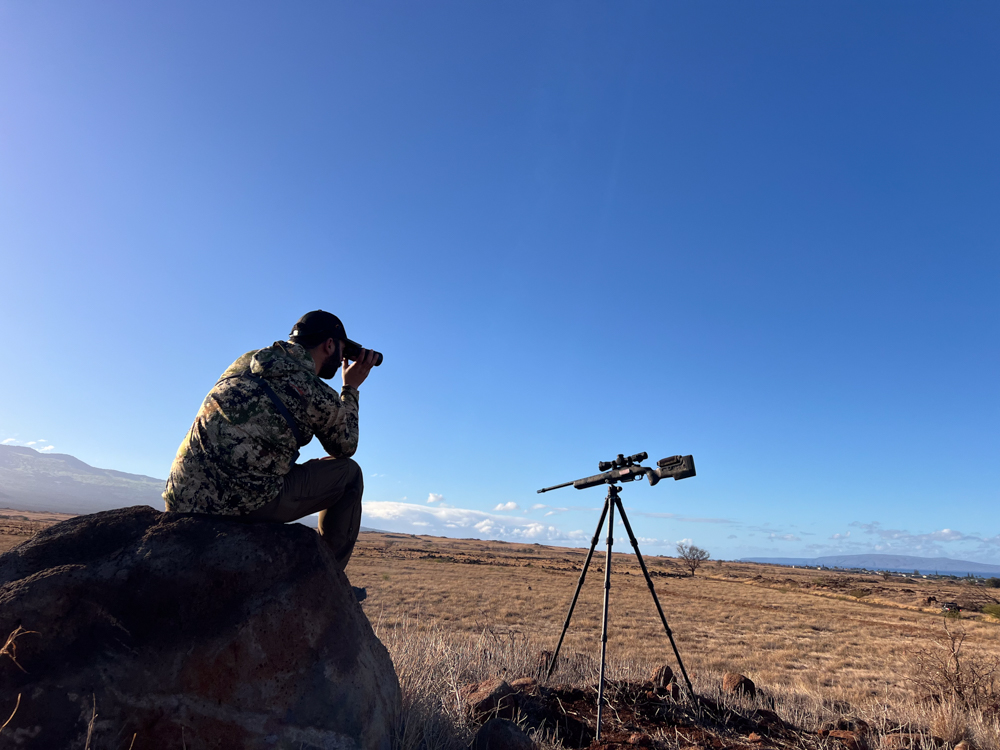
One big shift was in how access worked. Most of Maui’s land is privately owned, so public land hunting is rare. Instead, outfitters work closely with local landowners to manage herds and steward the land responsibly. That cooperation created a stronger sense of community, and it made me feel like I was helping in a small but meaningful way – not just taking, but contributing. It was one of the few hunts I’ve done that truly felt like part of something bigger.
Traveling for a Hunt: The Gear and the Cooler
Because we planned to bring meat home, I packed extra light. I brought my usual hunting gear but leaned hard into lightweight options: sunshirts, quick-drying pants, and breathable boots. Not packing a single jacket felt strange, but necessary. I also lived in a hat and sunglasses, as protection from the sun was absolutely essential.
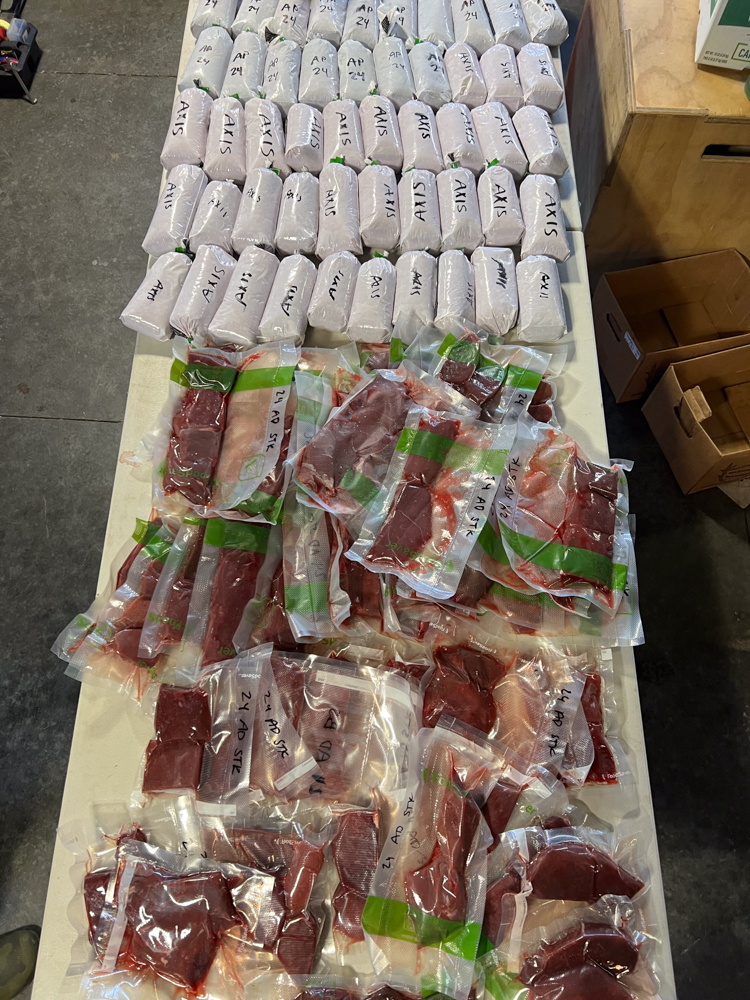
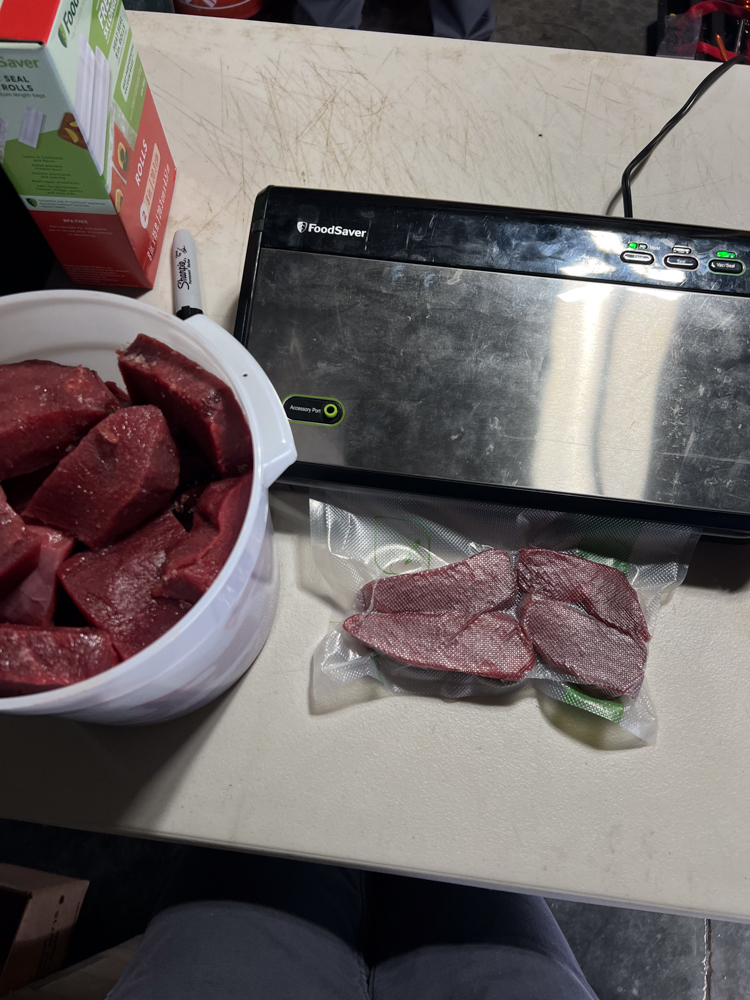
Flying back home with meat actually worked surprisingly well. Our guide roughly broke down the deer and froze the meat. On the morning of our flight, we grabbed a bunch of inexpensive coolers at Walmart, filled them with the frozen meat, taped them shut, and checked them like regular luggage. Most of the meat was still frozen when we landed back home, ready for final processing.
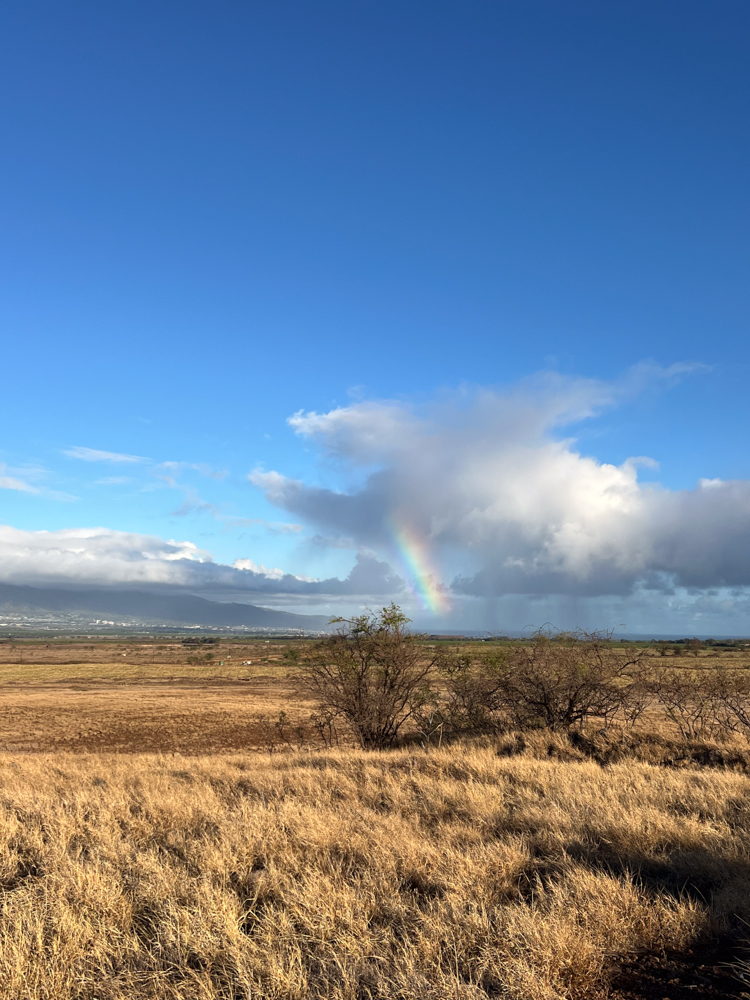
If you’re considering a hunt in Hawaii, my advice is simple: don’t underestimate the heat, don’t get discouraged by how quickly axis deer vanish, and don’t forget to look up and soak it all in – you’re hunting on an island after all!
What I Took Home
My biggest takeaway from this hunt was realising just how much hunting can serve conservation—not just meat in the freezer. On Maui, it was clear that every animal harvested played a role in protecting the land and supporting the community.
Back in Montana, it made me think more about how connected I feel, or don’t feel, to the places I hunt. The native Hawaiians we met had such deep love and respect for their home. That really stayed with me.
I’d love to see more people, hunters and non-hunters alike, care about conservation issues in the same way. Hunting can be one of the most effective tools we have to protect ecosystems. And it’s not just a Western, mainland tradition. It happens on tropical islands, too – with just as much purpose, care, and connection.
About the Gear Tester