Reshaping Our Relationship with Adversity in the Outdoors
I have spent a lot of time outside. I have also spent a lot of time being gay. The longer I sit with both, the harder it is to separate the two.
So much of my relationship with the outdoors has been shaped by the same things that have shaped my relationship with queerness: fear, freedom, solitude, trust, joy, and the slow work of learning how much of myself I can bring into a space.
There are more and more organizations working to support LGBTQIA+ people in the outdoors, and I hear one explanation for that work more than any other: people need to see that queer folks like the outdoors too.
That is true. Visibility matters. There is real value in someone seeing a queer hiker, climber, paddler, camper, skier, guide, angler, or dirtbag and realizing, maybe for the first time, that the outdoors is not owned by one type of person.
Still, I see that the value runs deeper than visibility. For a lot of queer people, the outdoors can give us a different way to meet the parts of ourselves that learned to brace, scan, hide, or face hard things alone. It does not erase those experiences. It gives us a place to practice fear, trust, challenge, and belonging with other people beside us.
It’s Not About Proving Anything
For me, supporting queer outdoorspeople is about adversity. Not in the glossy, inspirational way people sometimes talk about hardship. I do not think exclusion makes people better. I do not think LGBTQIA+ people should have to prove how strong we are before we are welcomed anywhere.
But a lot of queer people know adversity well. Many of us learned to read rooms before we knew why we were reading them. We learned how to check for safety, soften ourselves, disappear a little, and decide which parts of us could be visible in which places.
Some of us learned to face hard things quietly and alone, for a very long time. And after a while, I think a lot of us learn to avoid adversity altogether. Not because we are weak. Because once you have made it through enough of it by yourself, it makes sense to reach for whatever feels light.
Joy. Dancing. Drinking. Flirting. Loud music. Quick hits of relief, validation, pleasure, and escape. The little things that make life feel less heavy for a minute.
I understand that impulse deeply.
That is part of why outdoor challenge can hit differently when we experience it with other LGBTQIA+ people. A cold river, a nervous first paddle, a rough camp night, a long climb, or getting humbled on a trail can give us a different relationship with hard things.
“The challenge is still real, but we are not carrying it by ourselves.”
I was lucky to grow up with the outdoors baked into my childhood. When I was a kid in Alaska, my family went to the river almost every weekend in the summer to fish. We stayed in our pop-up camper at the campground, ate around the fire pit, and spent our days near the water.
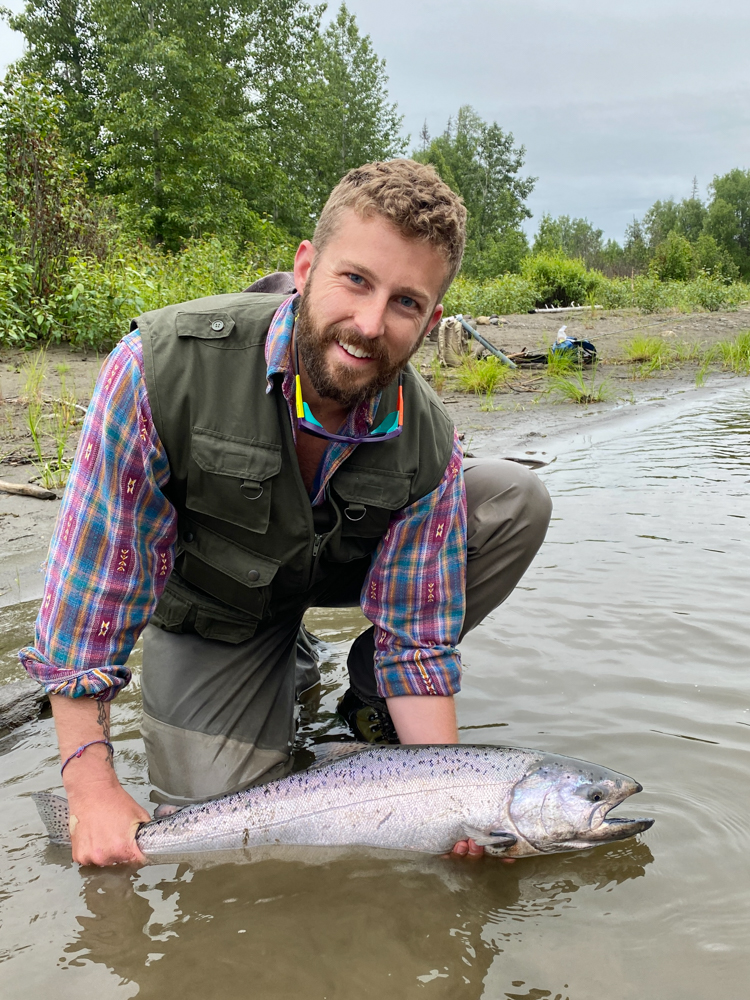
I was just a kid wading barefoot in the river searching for minnows.
I did not know I was gay yet. I was not thinking about identity or belonging or what parts of myself I would eventually learn to hide. Looking back, those memories ground me in a version of myself that existed before the pretending. Before I started trying to become something I wasn’t. Before I understood that some parts of me might make the world respond differently.
Finding Myself Outside Again
We moved away from Alaska when I was eight. I still had a relationship with outdoor spaces after that, but we never again lived somewhere as a family where the outdoors felt so woven into daily life.
Years later, when I was in college in Hawai‘i and coming out, I found myself drawn back outside. I would trail run along ridgelines and night-swim at the beaches. I did not fully understand it at the time, but the outdoors became one of the first places where I could be honest with myself.
There was no performance out there. No need to explain myself. No need to make sure I was being gay in a way that made anyone else comfortable.
I could just be.
A few years after college, I quit drinking and smoking cigarettes. Surprisingly for me at the time, this was a bit of a challenge. A real shocker.
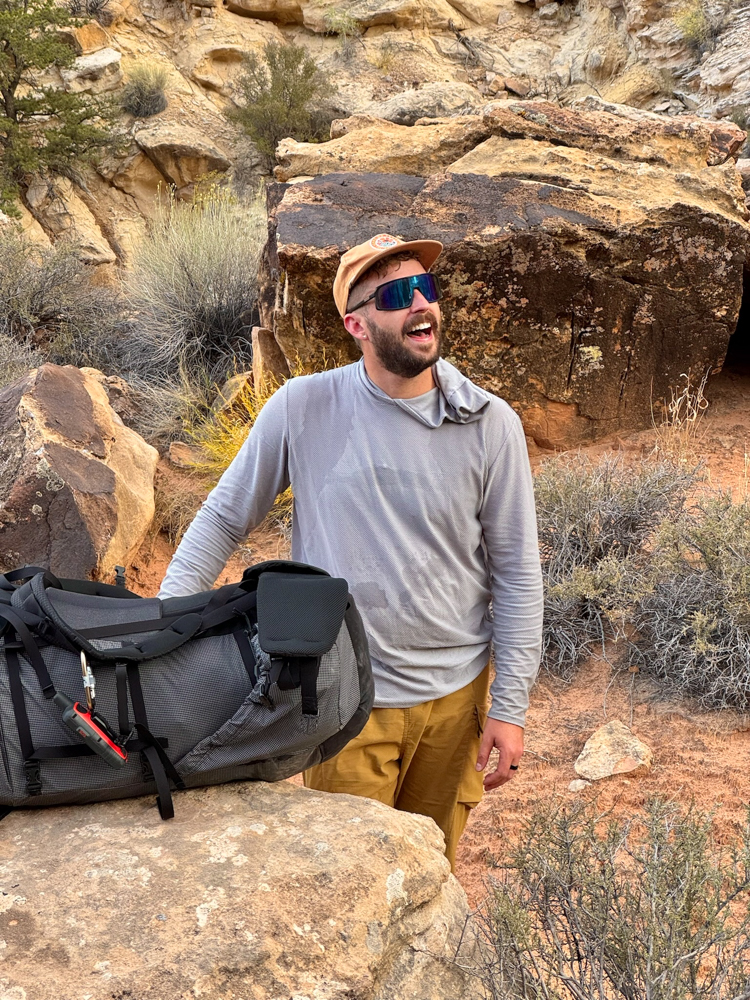
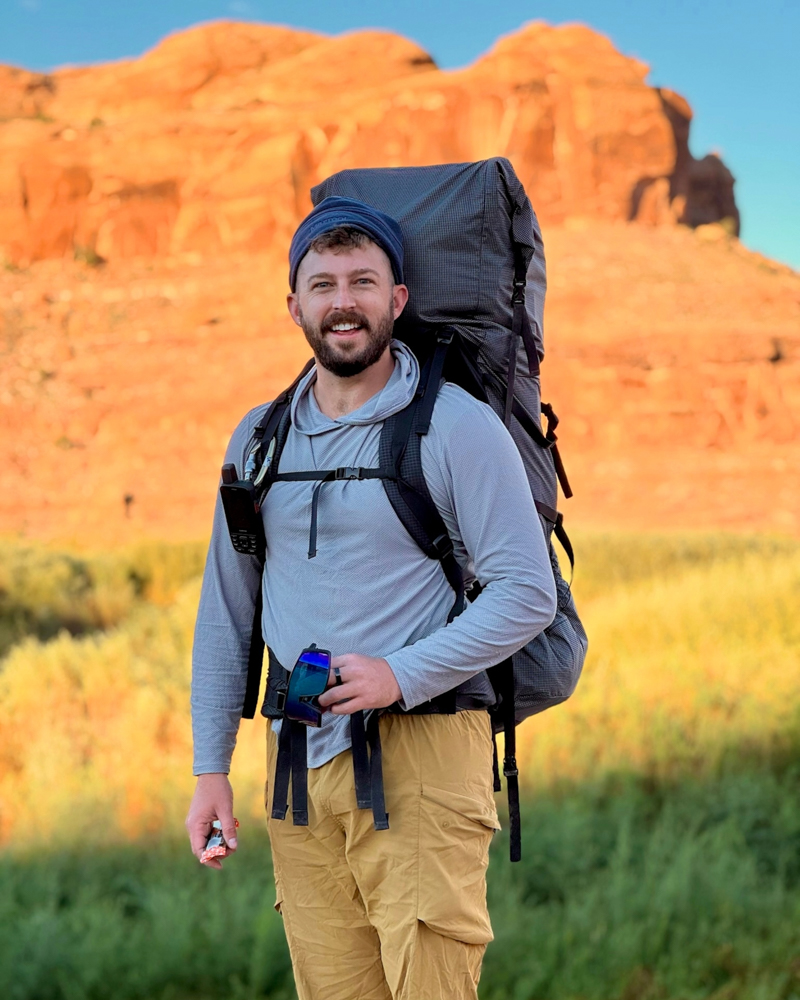
I was in Tucson then, and a lot of my social world still revolved around the habits I was trying to step away from. The desert became one of the places I could go when I needed distance from all of that. I camped in the mountains, hiked through the desert, and wandered around places outside Tucson where the air felt dry and clean, and the landscape made my problems feel both very real and very small.
A Harness and a Belay Lesson
Eventually, I met a guy who took me to a climbing gym.
This is not me saying all my outdoor growth came through dates, but a suspicious amount of my outdoor growth may have started because I thought someone was cute. There are worse gateway drugs for a gay man than a harness and a belay lesson.
The climbing gym felt natural to me in a way I did not expect. There were queer people there, whether they identified publicly that way or not. More importantly, it felt like a space where I could exist without being studied. People cared if I was climbing safely. They cared about the route. They cared about beta. They cared about whether I was going to peel off the wall in a deeply undignified way.
They did not seem that interested in dissecting me.
That was a relief.
Meeting My Childhood Self in Alaska
After a few years of climbing, camping, and exploring the desert and mountains around Tucson, I started feeling a deeper pull toward Alaska. I wanted the cold again. I wanted glacial rivers. I wanted mountains that felt bigger than anything I could organize neatly in my head.
I wanted to meet my childhood self there.
So I went back for a summer.
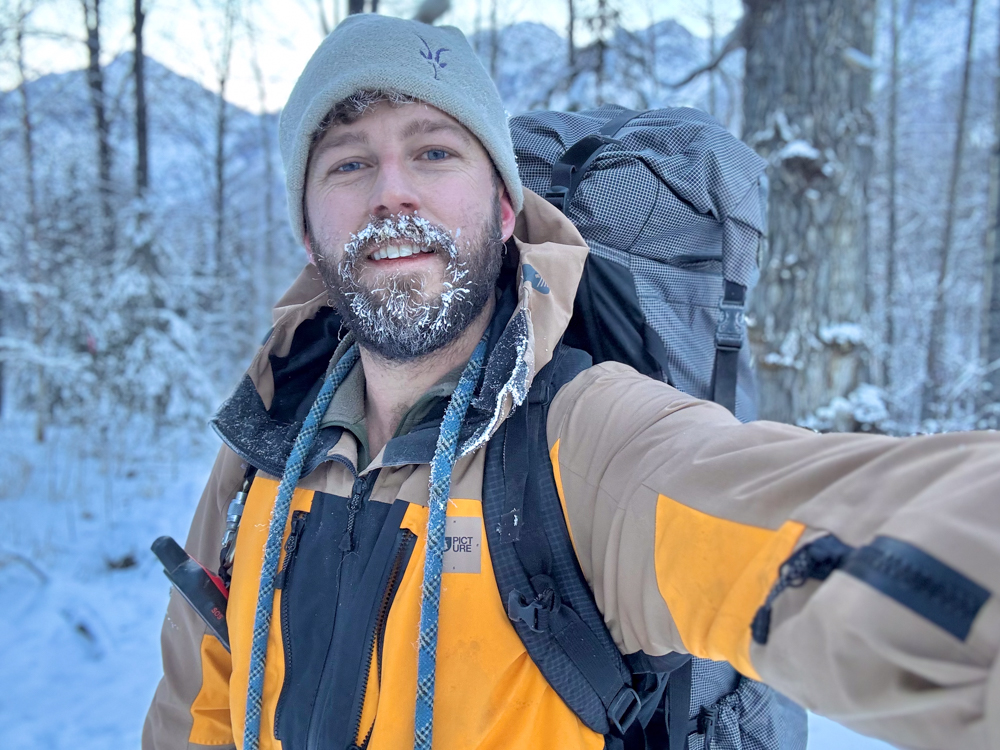
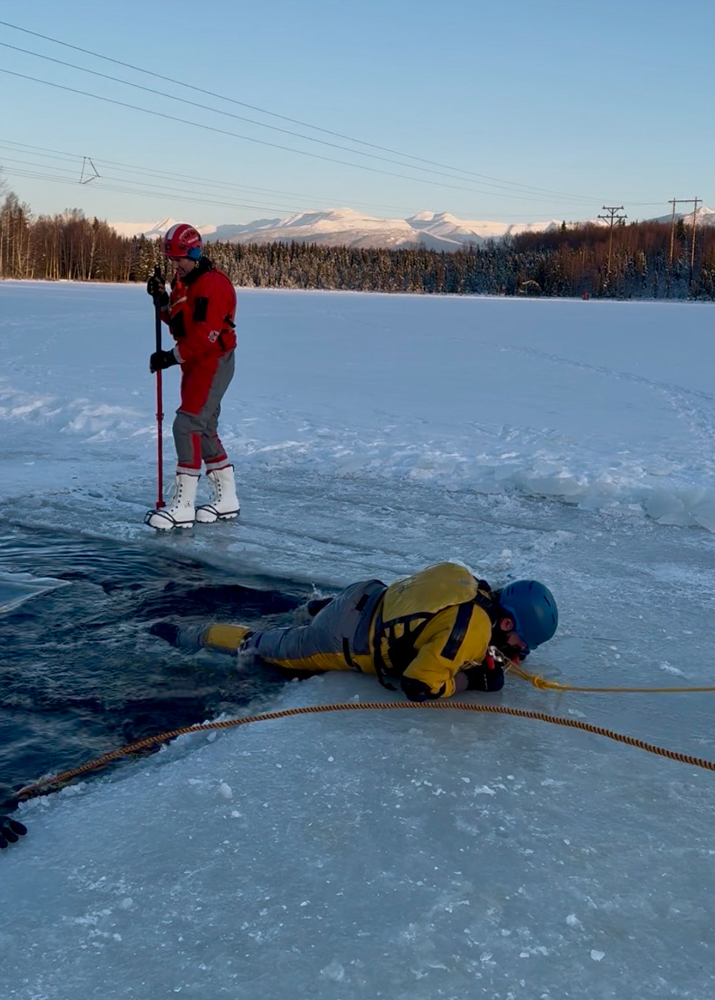
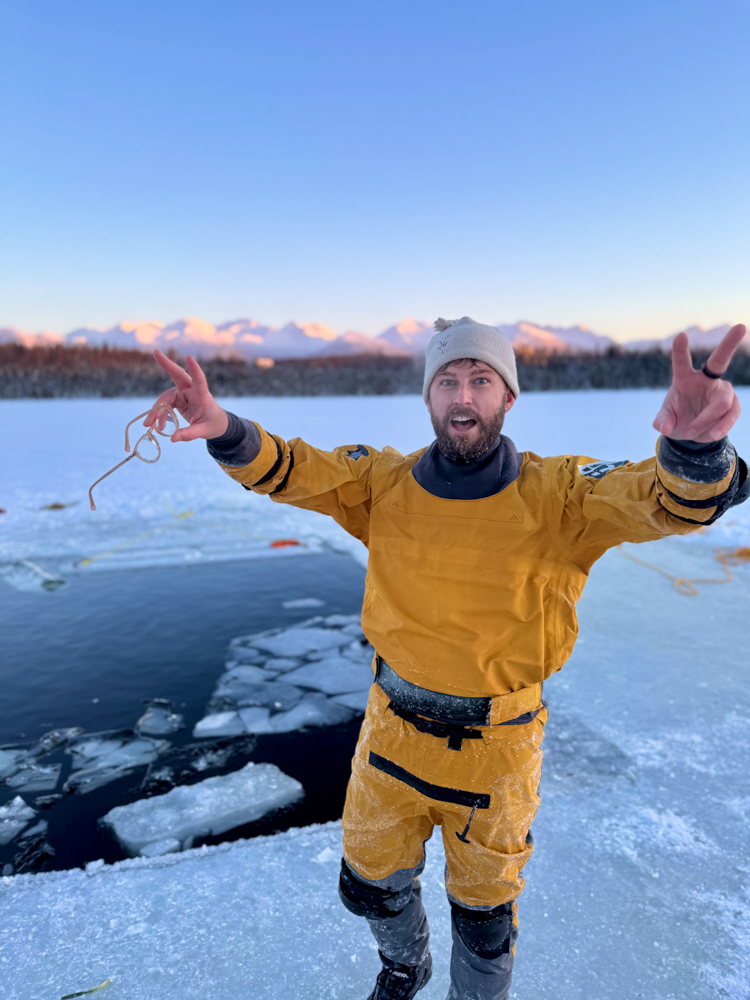
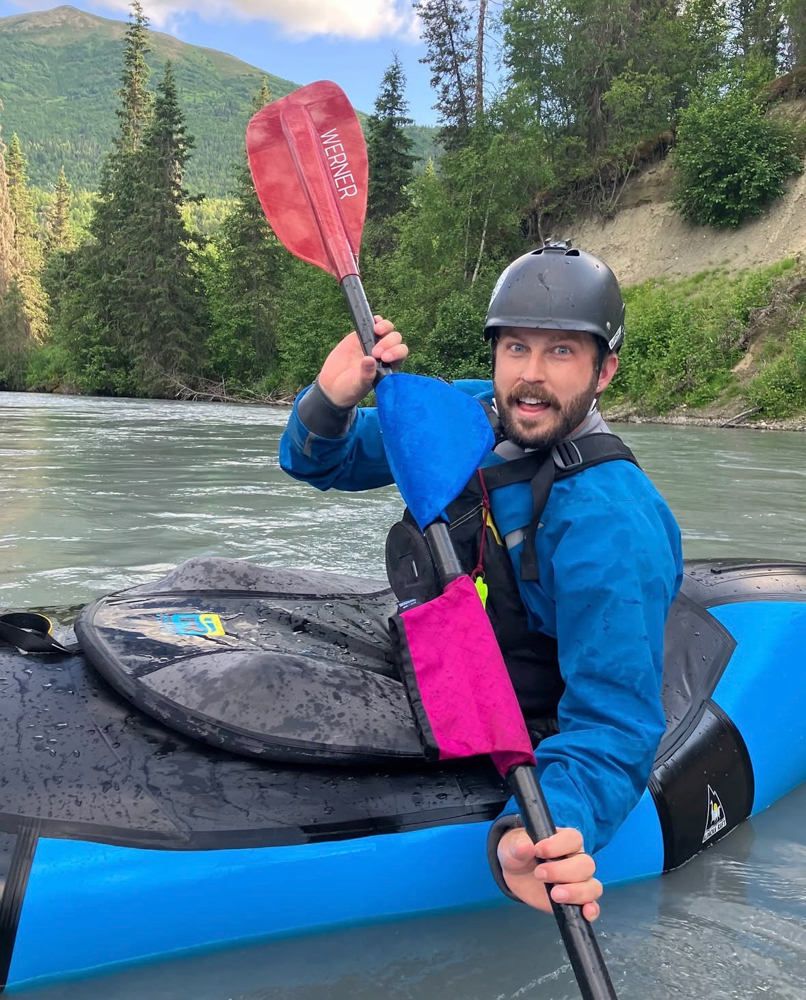
That summer quickly turned into four years and became the start of a much deeper relationship with the outdoors. I found myself in experiences younger me would not have imagined: sea kayaking in remote fjords, packrafting whitewater in backcountry rivers, backpacking through wilderness where bears were not only the big, burly gay men kind, rock climbing in Hatcher Pass, flying into the backcountry for multi-day trips and remote fishing, and taking avalanche safety and ice rescue courses so I could keep stepping into those places with more care.
On the surface, I was learning skills.
Underneath, I was restructuring my relationship with adversity.
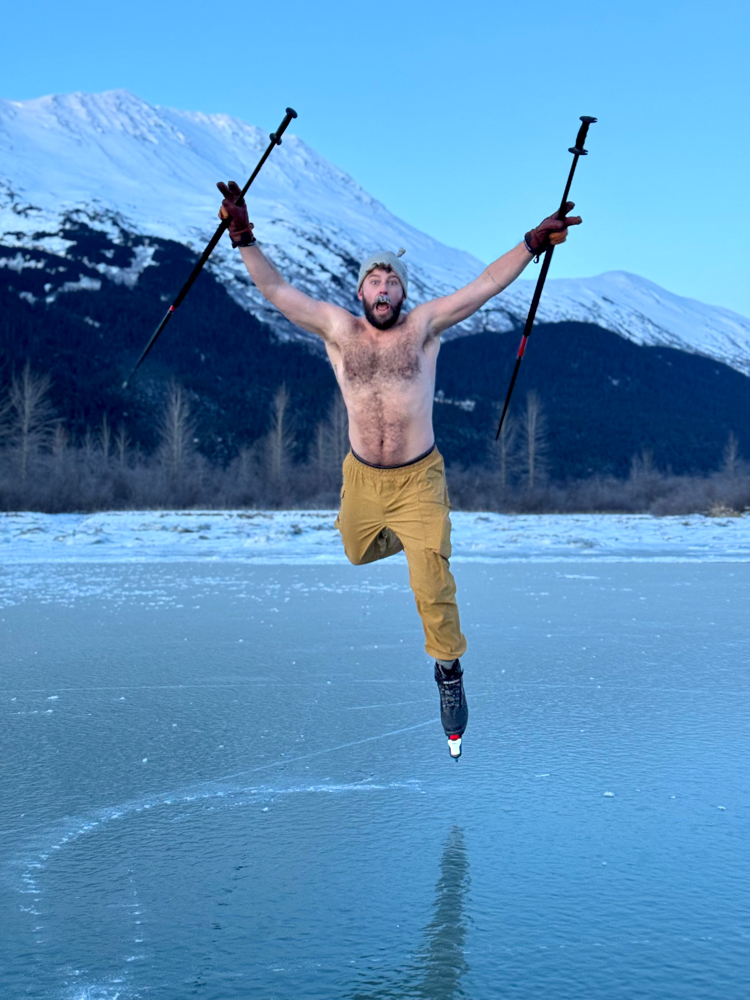
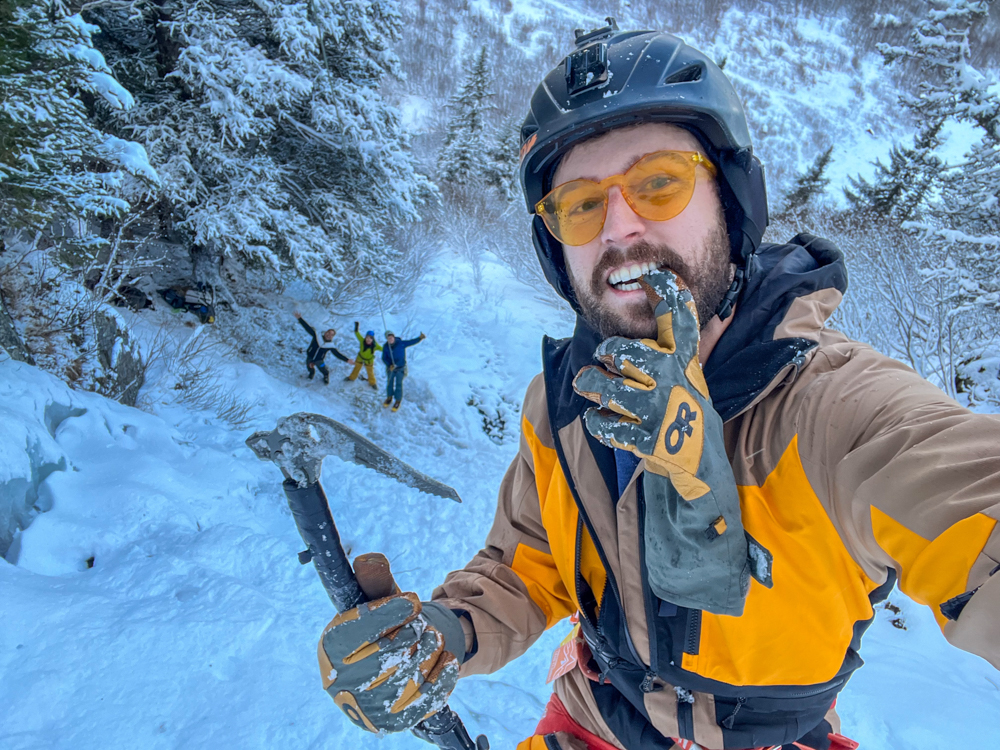
In the backcountry, trust is not theoretical. You trust someone to check your gear. You trust them to tell you the truth about a line. You trust them to wait. You trust them to speak up if something feels off. They trust you to do the same.
That changed me.
Learning to Trust the Crew
For more than a decade, I had been carrying a certain kind of adversity alone. The work of figuring out who I was, coming out, managing fear, managing shame, and deciding how much of myself to show often felt solitary. A lot of queer people know that solitude. Even surrounded by people, parts of the process can feel like they happen in a sealed room inside your own chest.
The outdoors began to crack that open.
I learned that I could trust people I had just met in very real ways. Not blindly. Not recklessly. Meaningfully. I could trust that they wanted me to be safe, and their safety mattered to me too.
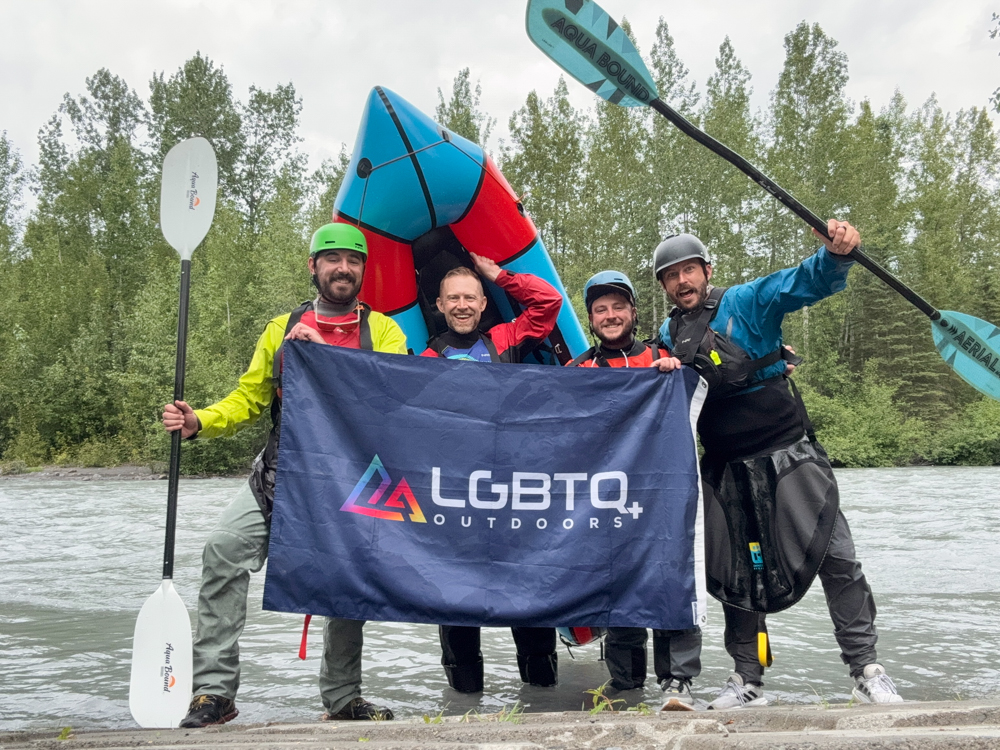
What Queer Outdoor Spaces Can Teach the Industry
That is why queer outdoor community matters so much. It is not only about proving that LGBTQIA+ people like hiking, climbing, paddling, or camping. Of course we do. We contain the whole Outdoor Prolink catalogue of interests, flaws, hobbies, bad packing choices, and snack preferences.
The deeper value is that queer outdoor spaces can help us rebuild our relationship with challenge.
Choosing to paddle cold water is different from being thrown into emotional survival. Choosing a hard trail is different from being forced to navigate a hostile environment. Learning a skill in a supportive group is different from being judged for not already knowing how to belong.
When the people around you are safe, discomfort can become growth instead of danger. Failure can become part of learning instead of proof that you do not belong.
For those of us working in the outdoor industry, that distinction matters. LGBTQIA+ inclusion is not just a Pride-month graphic, a rainbow logo, or a statement that “everyone is welcome.” Those things can be fine, but they are not the work by themselves.
The work is making safety visible before people arrive. Being clear about skill level, gear, risk, facilities, and what support will look like. Training guides and instructors to notice who has gone quiet, who seems unsure, and who might be carrying more anxiety than they are saying out loud. Creating beginner-friendly entry points where questions are normal and opting out is treated as good judgment, not failure.
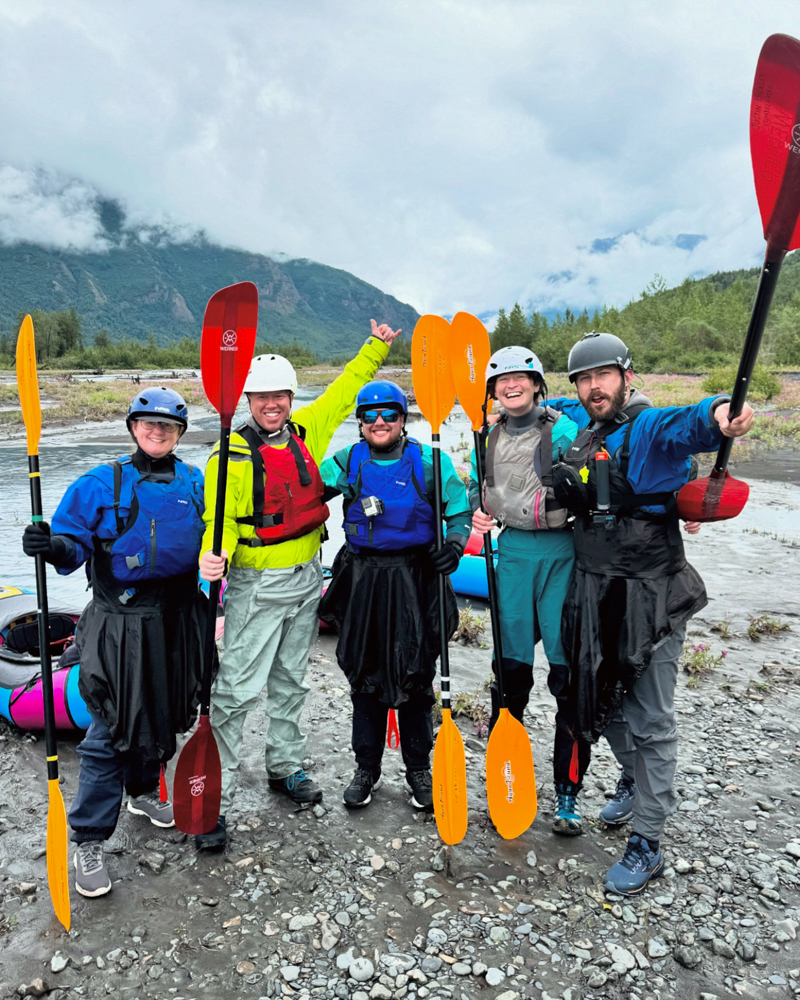
It also means supporting queer-led groups, hiring queer outdoor professionals, paying queer storytellers, partnering with LGBTQIA+ organizations, and listening when people say a space still does not feel as welcoming as the marketing suggests.
A lot of queer people want the hard thing. We want skill, adventure, risk, growth, wild places, and the feeling of realizing we can handle more than we thought.
We just do not need the extra harm.
Cold Water, Breath, and Trust
I keep coming back to cold water because it tells the truth quickly.
Anyone who has practiced ice rescue, swiftwater rescue, or simply taken an accidental swim in cold water knows that the first fight is often with your own breath. The water hits, your body wants to gasp, your chest tightens, and your brain tries to sprint ahead of the moment.
The first job is to stay above water, slow the panic, find your breath, and get oriented enough to make the next useful decision.
In that moment, trust becomes practical. Do I believe the people around me see me, know what they’re doing, and will get to me? Do I believe in my own ability to manage what is happening? Can I listen, breathe, and do the next useful thing?
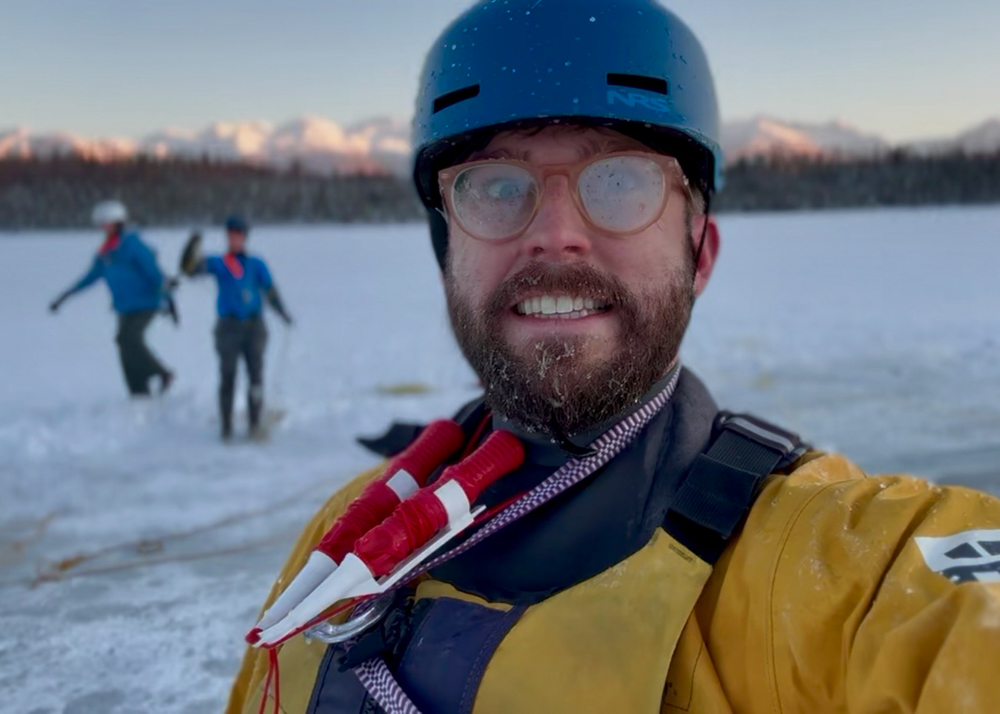
So much of queer life can train us to hold our breath. To brace. To scan. To prepare for impact before anything has even happened.
The outdoors gave me a different way to meet hard things. Not because the hard things got softer. Cold water is still cold. Fear still shows up with terrible timing. But when you are with people you trust, something changes. Your breath comes back. Your thinking comes back. The problem gets smaller than the panic around it.
You hear someone say, “I’ve got you,” and you believe them.
The hard thing is still hard. But now we are breathing. And we are together.
About the Gear Tester
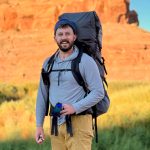
Justin Bickley
Justin Bickley is a queer outdoorsman, storyteller, and Chief Connector at RallyCrew. He co-founded the International Packraft Film Festival and has a habit of building friendships in the middle of outdoor uncertainty, when plans shift, people suddenly have to depend on each other, and strangers start to feel like a crew. He believes real adventure starts when a little chaos creeps in, and that most of life comes down to enjoying the passage of time and appreciating the beautiful mess of being alive.