6 Outdoor Skills You (Probably) Already Have and Can Add to Your Resume
Transitioning from outdoor industry jobs to positions away from the wild can be a tough thing to wrap your head around. If you’ve worked in outdoor-adjacent realms, you may be wondering whether potential employers will understand that your skills will transfer to the front country. Thankfully, you probably have plenty of essential qualities that’ll make you an excellent hire for whatever you apply for!
Mention these six skills in your resume and cover letters to get the attention of your next employer. You already have these 6 outdoor industry skills (it’s time to add them to your resume)
1. Problem-solving
I’m going to bet that you’ve done some serious MacGyvering at various points in your outdoor career. Maybe you’ve built impressive retail displays with limited resources, worked within strict budgetary confines, and facilitated community building and bonding among groups of trip attendees. Or perhaps you’ve fixed things that have broken with limited resources, like duct taping tent poles together or filling a hole in a canoe. All of these situations involve problem-solving, a skill that is universally appreciated!
2. Project Management
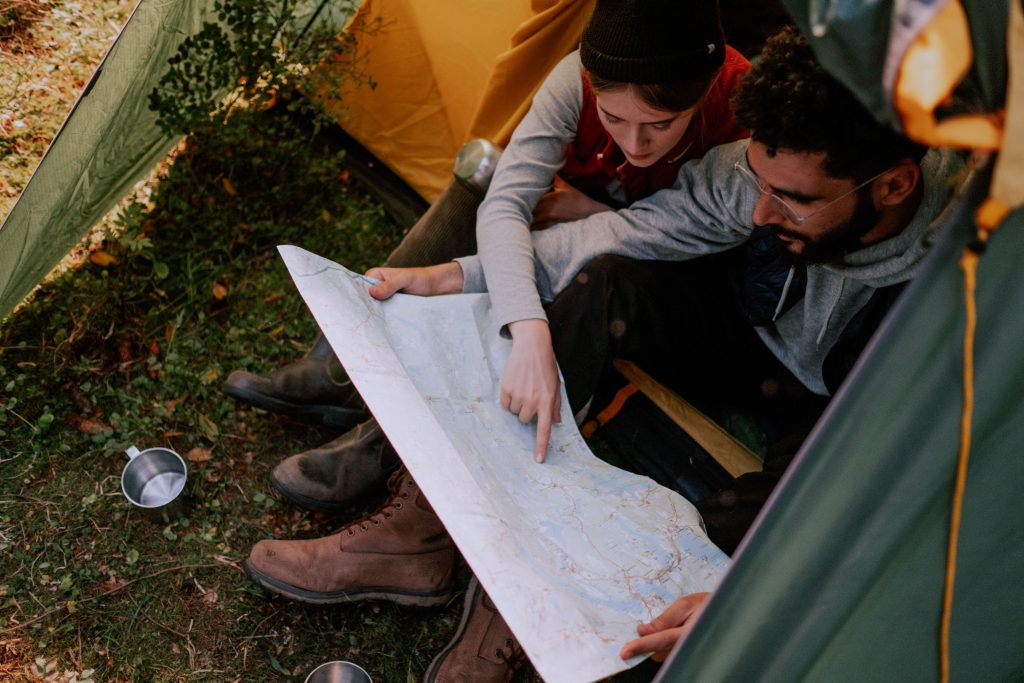
Prepping for outdoor adventure is a serious undertaking. Think of all the to-do and packing lists you’ve managed, plus logistics like food prep and route planning. All of these tasks are parts of project management. Project management is typically broken into the following:
- Initiation – Creating a trip group, selecting attendees, procuring permits
- Planning – Choosing a route, assessing food, transport, and gear options
- Execution – Making the trip happen (getting out on the water, heading to the trailhead)
- Monitoring and controlling – Evaluating food stores and adjusting to ensure you’re well-resourced, risk management, adapting to changing conditions
- Closure – Concluding the trip, cleaning and maintaining gear, doing trip reports
3. Customer Service
Whether you’ve led wilderness trips, taught outdoor skills, or sold gear, I bet you’re an expert in customer service. Customer-facing positions require adaptability, empathy, patience, and active listening skills. All of these translate well into non-outdoor-industry positions, from restaurant host to IT specialist and mental health therapist. Whatever position or career you’re considering, customer service skills will come in handy!
4. Risk Assessment & Management
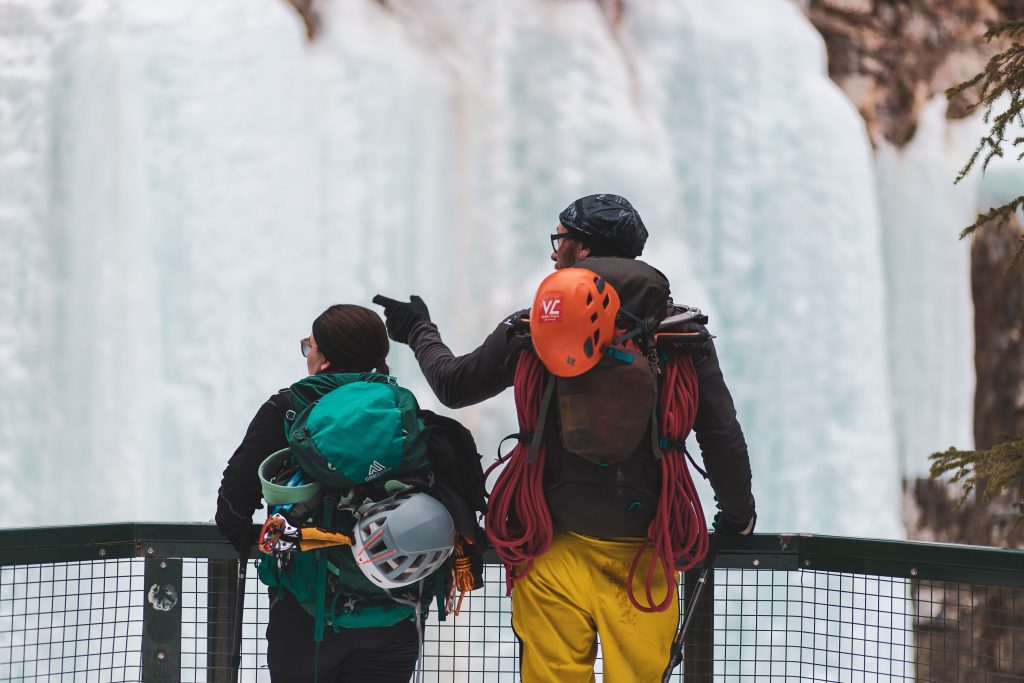
Assessing and managing risk is a huge part of working and recreating outdoors. We are constantly evaluating situations for risks, including wildlife encounters, hazardous environmental conditions, shifting group dynamics, and differing skill levels.
Your experiences include data analysis (think: weighing pros and cons of 10 backpacks before selecting one for a thru-hike), technical knowledge (understanding climbing routes and whitewater sets), and keeping rules and regulations in mind to stay safe and recreate legally.
All of this adds up to incredible risk assessment and risk management skills. Consider a time when you successfully managed risk outdoors. Break it down into the steps you took and keep that story in your head so you’re ready to share it in a job interview. Interviewers love to hear how you used the skills above to improve group safety and ensure your trip was successful and fun for all.
5. Multitasking
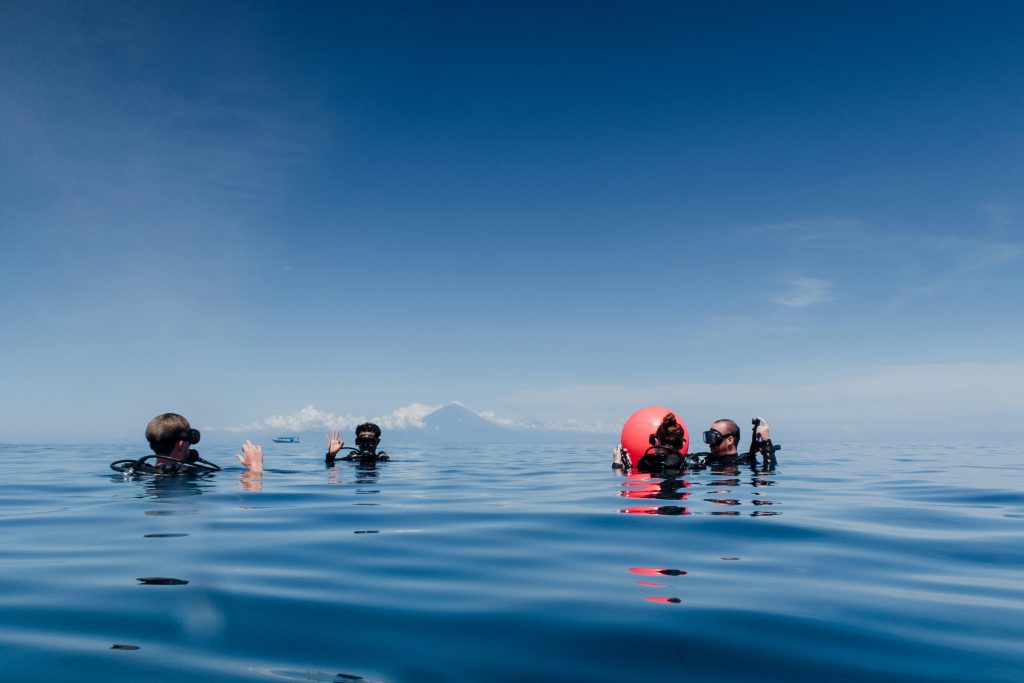
It is nearly impossible not to multitask in the outdoor industry. We’re constantly juggling! Retail staffers listen to one another on internal comms radios, pull product for online orders, and answer customer questions at the same time. Guides tie flies onto fishing line while explaining how to change the angle of a cast and considering what to eat at the take-out point later – all at once. Travel agents have ten thousand tabs open to share and sell different activities and locations while answering client questions totally unrelated to what they’ve been researching.
What’s the most challenging multitasking you’ve done at once? Remember this example in case an interviewer asks about a time you were crushing it in a past position.
6. Communication
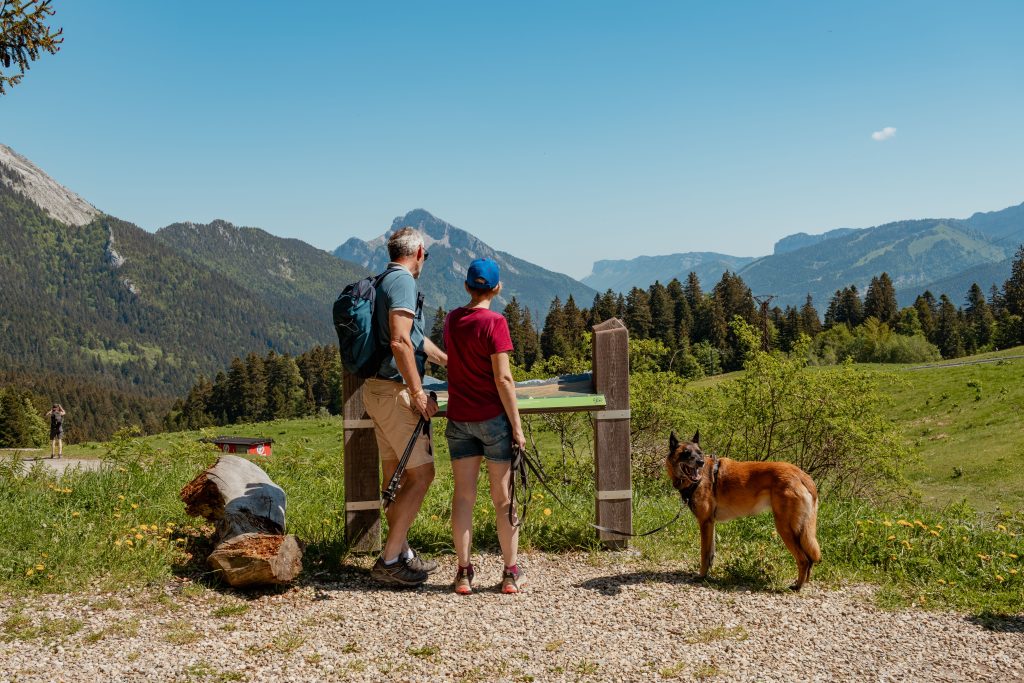
So much of outdoor recreation revolves around communication. We communicate with customers, clients, and campers; our supervisors and co-workers; and often with community agencies like the DNR or park service. You probably communicate with friends and loved ones to let them know where you’re going and what you’re doing, answer phones to provide customer service for gear shops and outfitters, and even learn special protocols to communicate with emergency services over satellite phones.
Whatever your next job title looks like, I have no doubt you have learned plenty of skills in the outdoor industry that will serve you well. Just don’t forget to schedule in some time for outdoor recreation once you settle into your new gig – you just might miss the chaos of the wild!
Pro tip: Looking for tips on transitioning employment among the outdoor industry or getting out of it? Check out Basecamp Outdoor and Outdoor Industry Jobs for open positions and events, and Emerald LaFortune for resume help, interview prep, and more.
About the Gear Tester

Hatie Parmeter
Hatie Parmeter (she/her) digs hiking, paddling, and yoga. She's a writer and editor in the outdoor industry and is working toward an MS in Clinical Mental Health Counseling. Soon, you'll find her teaching wilderness mental health resources for outdoor outfitters, guides, camps, and more. Bio image is by Lauren Danilek.
- Hatie Parmeter

- Hatie Parmeter
- Hatie Parmeter

- Hatie Parmeter

- Hatie Parmeter

- Hatie Parmeter

- Hatie Parmeter
- Hatie Parmeter

- Hatie Parmeter
- Hatie Parmeter

- Hatie Parmeter

- Hatie Parmeter

- Hatie Parmeter

- Hatie Parmeter

- Hatie Parmeter
- Hatie Parmeter