Wildlife Rules You Need to Know Before Your Next Public Lands Trip
Public lands feature unique ecosystems that draw millions of human and wildlife visitors each year. Encounters with birds, animals, fish, and plants are important parts of spending time in these beautiful places, but visitors should do some research before heading out to ensure they’re prepared for the specific wildlife-related rules where they’re headed. Keep these four things in mind for your next adventure:
4 Wildlife-related rules that may affect your trip.
1. Food storage
If you hike, camp, or backpack, you’ve probably seen signage about safe food storage on public lands. Some campgrounds feature metal containers called bear boxes anchored into the ground near bonfire rings. Campers stash their food behind these secure doors to protect it from critters big and small. Chipmunks and other small animals can do a lot of damage, even though they’re far smaller than bears!
You’ll see these boxes all over the country, from Rocky Mountain National Park in Colorado to Voyageurs National Park in Minnesota. Other locales don’t offer bear boxes, but require visitors to bring their own bear-proof canisters, barrel-like containers with twist-off lids that are difficult for wildlife to get into. Adirondack Park National Historic Landmark in New York and the Boundary Waters Canoe Area Wilderness in Minnesota require bear canisters. Don’t have one or traveling from afar and don’t want to drag yours along? Rent one from a local outfitter.
Pro Tip: Learn how to do a bear hang before heading to the wilderness. It’s not as simple as tossing a rope over a tree and hoisting your stash. Don’t have a bear barrel? Rent one from a local outfitter.

2. Interactions
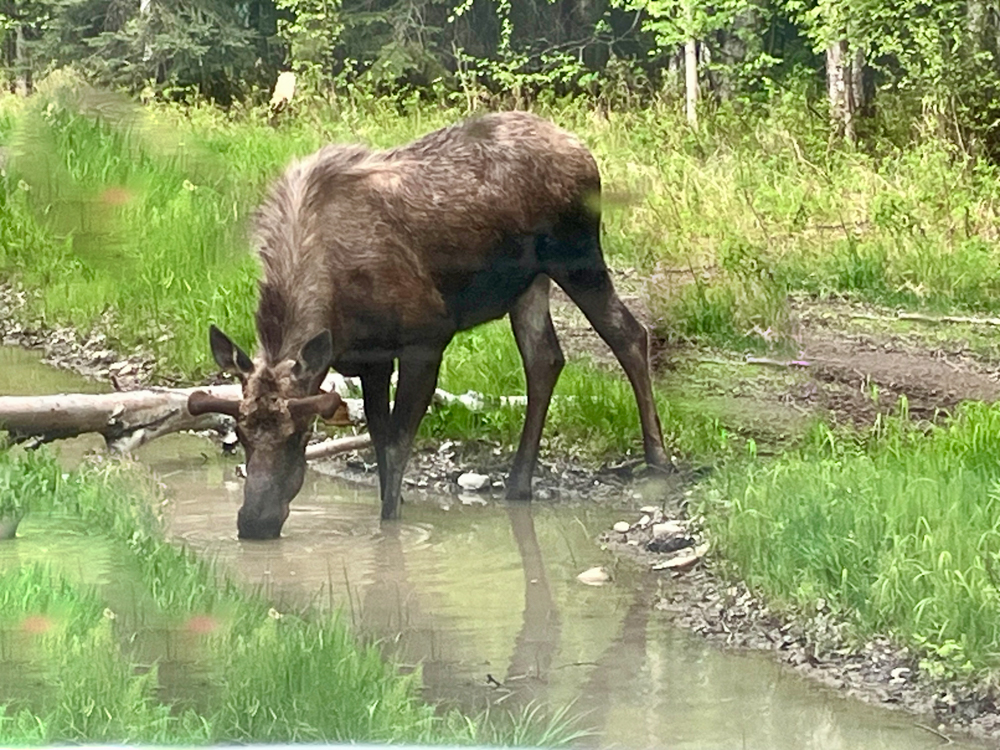
Many public lands feature wildlife that have been habituated to humans. Think: raccoons dumpster diving in campgrounds, bluejays eating peanuts out of travelers’ hands, black bears foraging along trails and roadsides full of vehicle traffic. Check the website for the area you’re traveling to learn about specific species to keep an eye out for. From nosy marmots out for a snack to fearless black bears with no fear of humans, it’s always better to know before you go.
While bringing deterrents like bear spray may seem like a great idea for addressing unexpected wildlife encounters when traversing wild areas, you’ll need to research whether it’s allowed in the area and in transit. For example, bear spray is considered a weapon and is prohibited in Yosemite National Park in California. Flights into Katmai National Park in Alaska don’t allow the flammable, hazardous spray, but it is allowed within the park. While commercial and private flights don’t allow the spray, you may be able to rent or buy some on-site in some locations.
Pro tip: Interested in learning about funny (and not-so funny) wildlife encounters and how they shape our worlds? Read “Fuzz: When Nature Breaks the Law” by Mary Roach.
3. Hunting, Harvesting, and Foraging
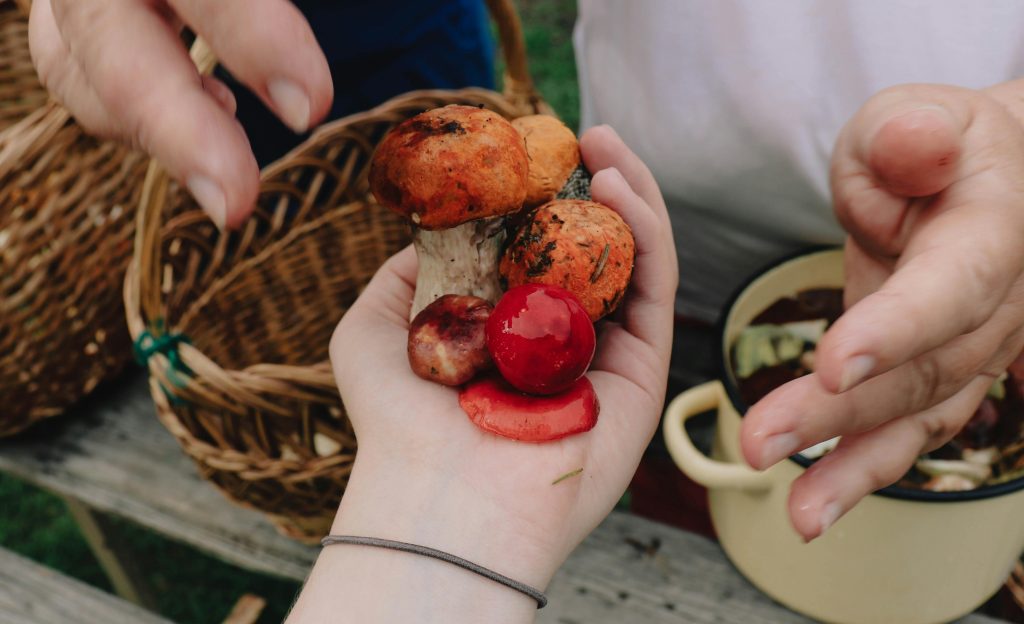
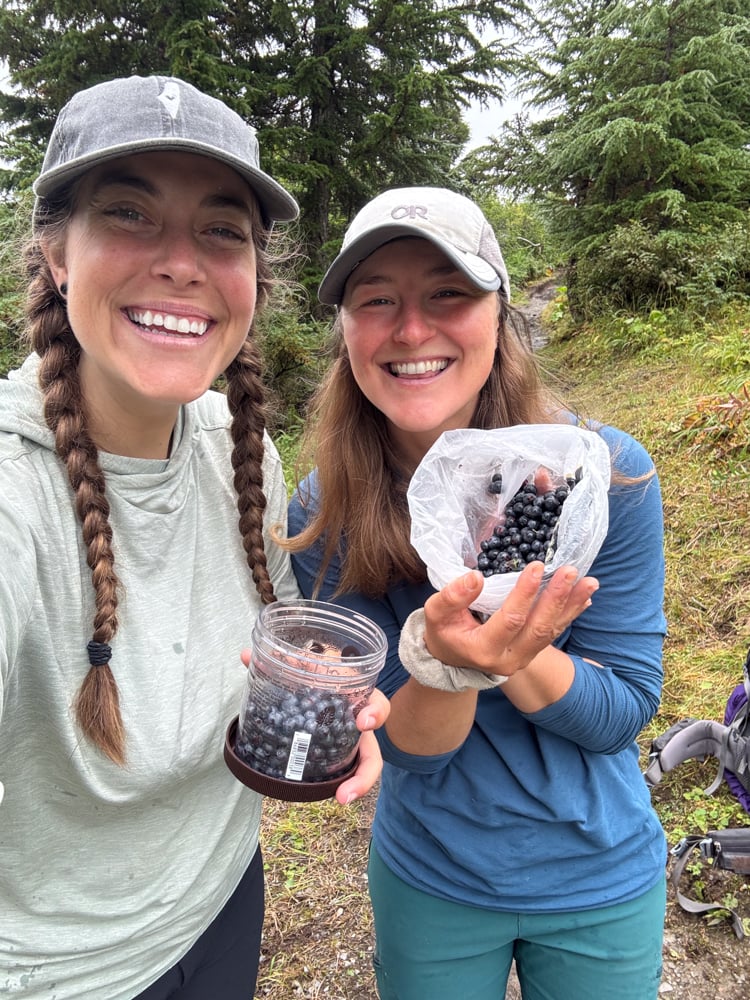
Some outdoor recreators enjoy procuring food from the wild while adventuring. Who hasn’t enjoyed a handful of trailside berries or brought along fishing line for a paddling trip? Hunting isn’t the only harvesting activity subject to strict regulations across public lands. There are also rules on timing and use.
Some parks allow foraging for edibles like mushrooms, fruits, and greens with specific limits on how much and when you can forage. Others have clear rules suggesting visitors take photos instead of removing species from the park. Always contact park staff or view the website of the place you’re headed so you know what’s allowed. Punishment for breaking these guidelines often involves hefty fines and could even send violators to jail.
Some laws around hunting, harvesting, and foraging are specifically aimed at commercial use. Personal use, like picking a handful of berries to eat while you walk, may be allowed, while picking a bucket of berries to turn into jam that you sell may be prohibited.
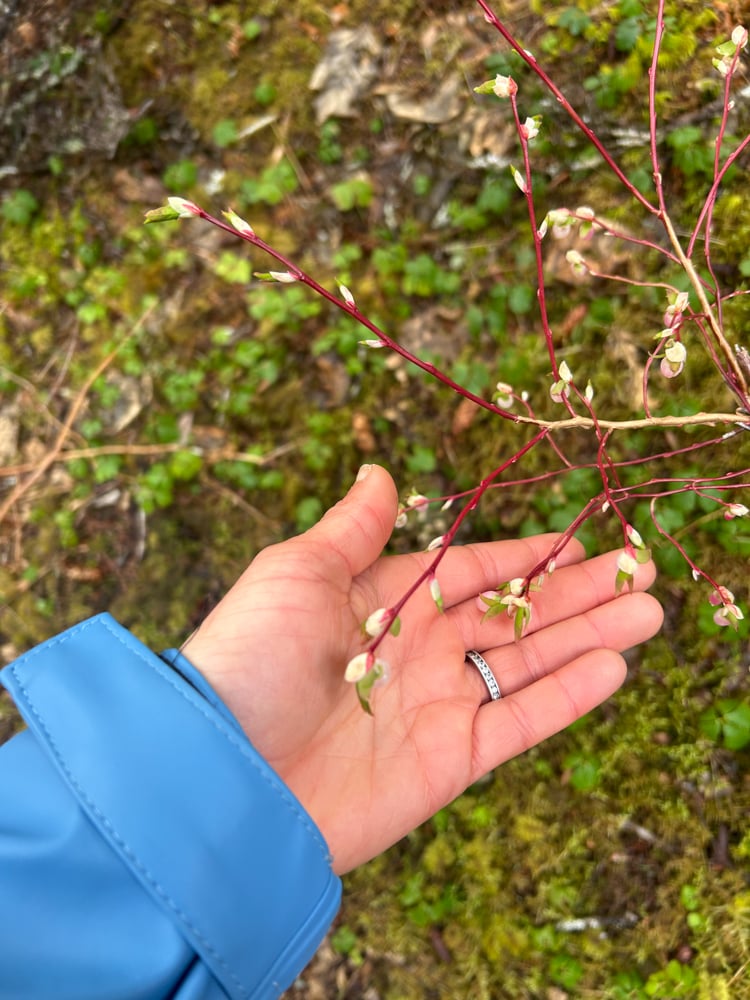
It’s also important to note that wildlife doesn’t have to be alive for removing it from the park to be a crime. If you happen upon a skeleton or an antler in the wild, taking all or part of it home with you could result in fines or jail time. Many people are familiar with this rule because most campgrounds have signage around buying firewood on site and not bringing it from outside. This simple rule prevents spreading pests that may travel on outside wood.
It’s important to note that federally recognized Native American tribes may have different rights around hunting, harvesting, and foraging on public lands.
Pro tip: Considering harvesting something on public lands? Check the NPS Species website for info on what species can be found where you’re headed. Then, check the place-specific website or talk to a ranger/staff member there to ensure you can legally harvest or forage that species and to find out whether there’s a limit.
4. Special Species Protections
People aren’t the only beings who flock to public lands! Many of these special, diverse places are home to species under varying levels of protection to support population growth and prevent extinction. You might happen upon signage in a park indicating that certain areas are closed due to a population migrating through, breeding, or raising young on-site. Follow these rules, from staying on the trail to avoiding specific areas altogether.
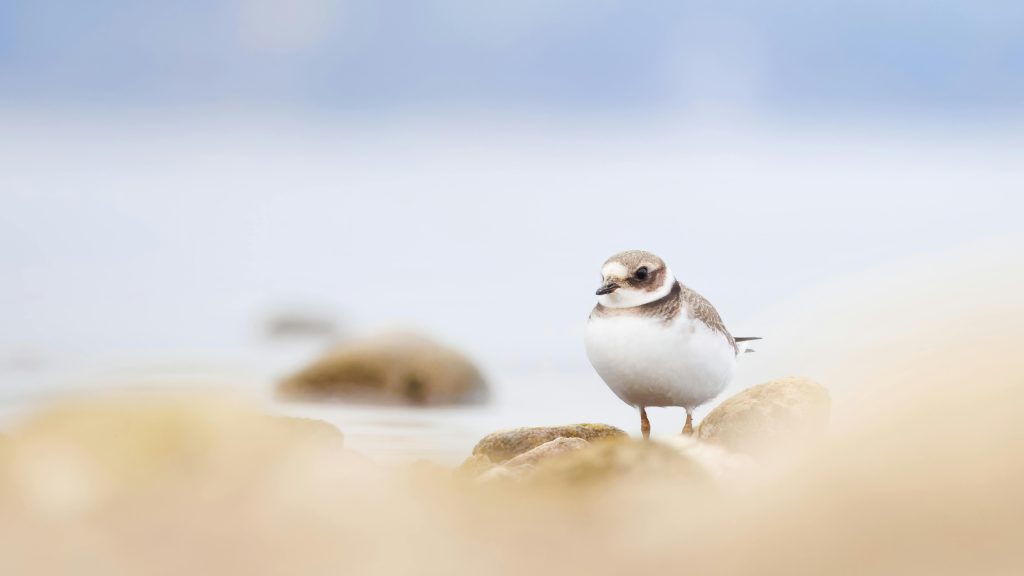
For example, California’s super bloom wildflower seasons come with rules around staying on the trails and not picking the flowers. In Chicago, Illinois, a duo of Piping Plovers – a species of shorebird considered federally endangered – are so beloved and protected that parts of Montrose Public Beach fully shut down to promote their nesting season. This is a great example of a regulation that shifts throughout the year, highlighting the importance of checking with a ranger on-site or visiting the website ahead of time, even if you’ve been there before.
Not sure about the rules around hunting, harvesting, or foraging? When in doubt, leave everything where you find it to avoid any issues. Other than trash that is! Leaving it better than you found it is an excellent personal rule for all outdoor places.
About the Gear Tester
Hatie Parmeter
Hatie Parmeter (she/her) digs hiking, paddling, and yoga. She's a writer and editor in the outdoor industry and is working toward an MS in Clinical Mental Health Counseling. Soon, you'll find her teaching wilderness mental health resources for outdoor outfitters, guides, camps, and more. Bio image is by Lauren Danilek.
- Hatie Parmeter

- Hatie Parmeter
- Hatie Parmeter
- Hatie Parmeter
- Hatie Parmeter
- Hatie Parmeter
- Hatie Parmeter
- Hatie Parmeter

- Hatie Parmeter
- Hatie Parmeter
- Hatie Parmeter

- Hatie Parmeter

- Hatie Parmeter
- Hatie Parmeter
- Hatie Parmeter
- Hatie Parmeter