
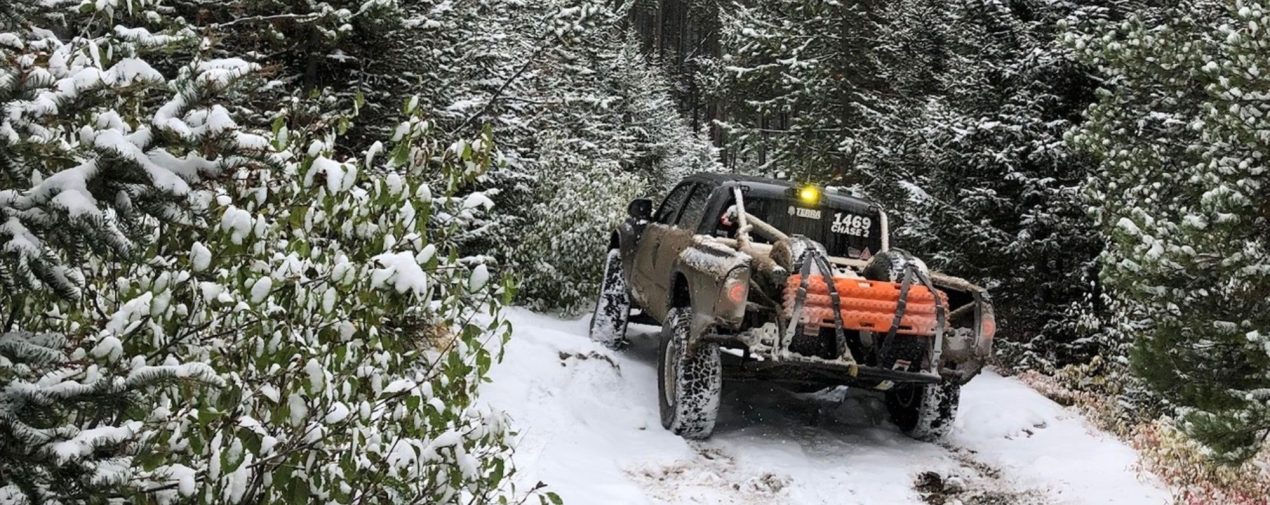
A Guide to Building an Overlanding Rig
Where the Pavement Ends
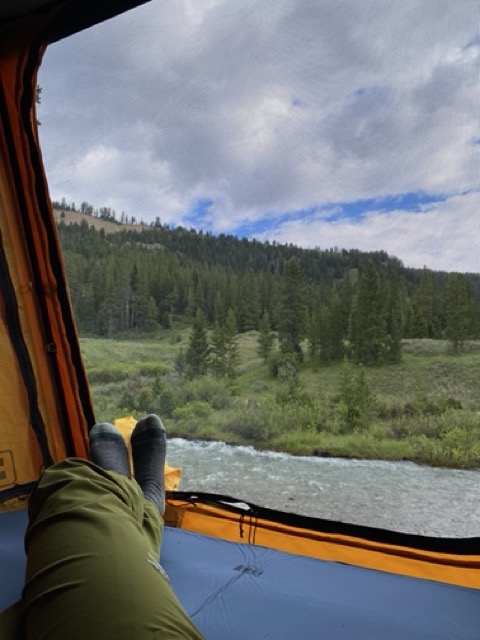
The mattress is plush, the coffee is hot, and the air is fresh. You’re not staying at the Four Seasons, but you could be staying here all four seasons. That’s the beauty of overlanding – bringing a few comforts of home to places no hotel could ever reach.
Overlanding has exploded in popularity over the last few years, and it’s easy to see why. It combines offroad vehicle travel, camping, and self-sufficiency into one hobby that can take you from a Friday after-work campout to weeks exploring remote dirt roads. If you scroll social media long enough though, it’s easy to believe you need a six-figure build with every accessory imaginable before you can leave pavement.
The truth? Most people are capable of far more than they think with the vehicle sitting in their driveway.
Building an overlanding rig isn’t about adding every aftermarket part you can find. It’s about creating a vehicle system that matches how you recreate. Whether you’re chasing powder, elk, singletrack, or simply escaping crowded campgrounds, starting with your intended use will save you money, weight, and headaches down the road (or shall we say dirt).
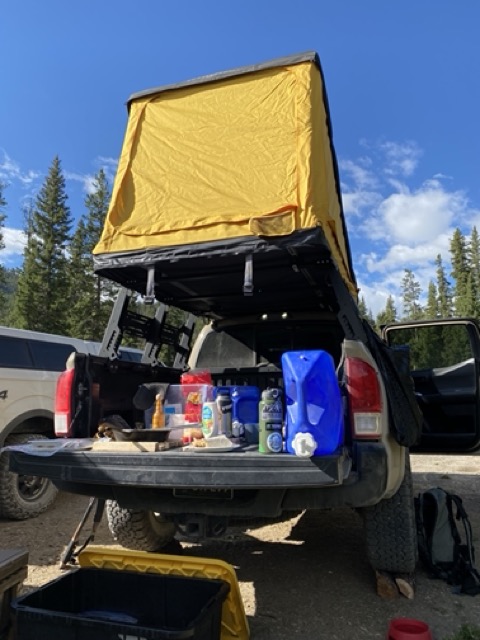
Start with Your Use Case
Weekend camping on maintained forest roads requires a completely different setup than multi-day travel through the desert with technical rock crawling. Be honest with yourself about how you’ll be spending most of your time and build your rig accordingly and practically.
If your goal is comfortable dispersed camping with the occasional rough round, reliability and organization will serve you far better than locking differentials. Likewise, someone planning extended backcountry travel should prioritize water storage, recovery equipment, and sleeping arrangements long before cosmetic upgrades.
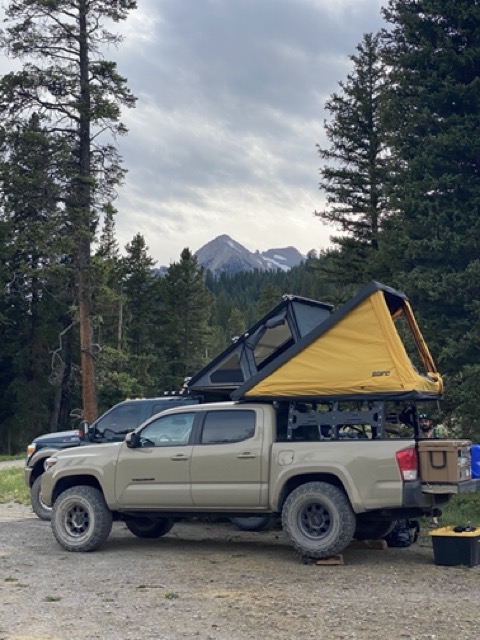
Build for the adventures you’ll take every month, not the epic trip you hope to take one day.
Choosing the Right Platform
One of the biggest misconceptions in overlanding is that you need a specific vehicle to get started (you probably know the one).
You don’t. Nearly every modern SUV or truck can become a capable adventure vehicle. Instead of chasing the “perfect” platform, consider a few practical questions:
- How much gear and how many passengers do you regularly carry?
- What is the terrain and weather like where you’re going?
- Do you need a truck bed or enclosed cargo area?
- Will this also be your daily driver?
- What’s your budget? Not just for the vehicle, but for maintenance and modifications.
A reliable stock vehicle is almost always a better choice than an unreliable but heavily modified one.
Build in the Right Order
One of the easiest mistakes new overlanders make is buying exciting accessories before addressing the fundamentals. The order matters more than most people realize.
Start with maintenance. Fresh fluids, healthy breaks, good tires, and a dependable battery are far more valuable than expensive lightning or exterior accessories. Reliability is your first modification.
Next, think about protection and recovery. Quality all-terrain tires often provide the biggest improvement in capability. Depending on where you travel, skid plates and recovery points may be worthwhile additions before increasing ride height.
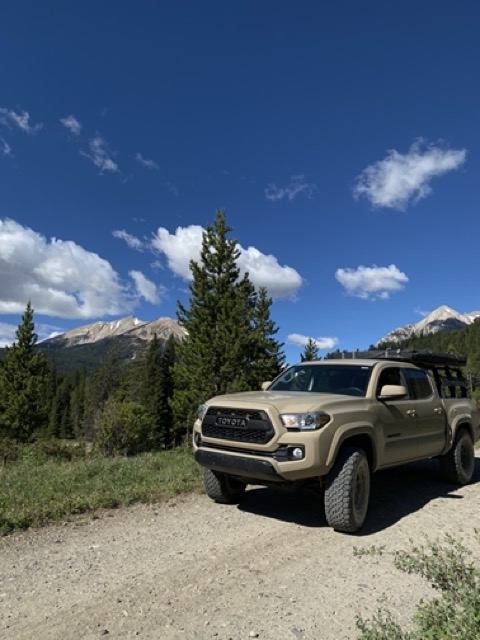
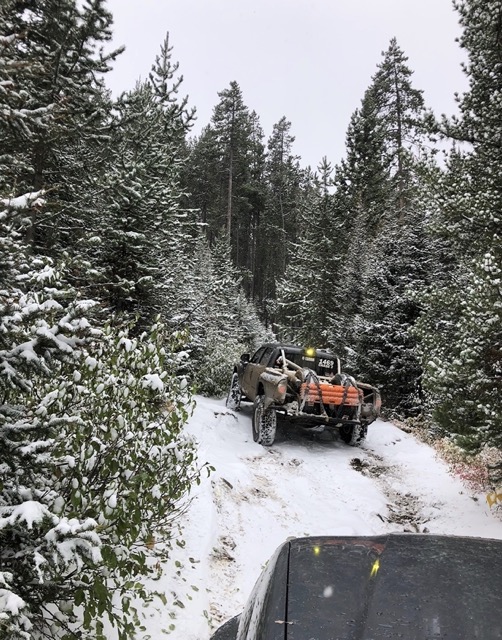
Once you’ve spent some time using your vehicle, then you can start adding comfort items like rooftop tents, drawer systems, fridges, or awnings. Your first few trips will quickly reveal what problems actually need solving.
One of the best pieces of advice I received was to avoid modifying for a problem I hadn’t experienced yet. After each trip, make a list of what worked and what didn’t, and how to improve for next time. This approach will result in a rig tailored to your travel system, not your Instagram feed.
Don’t Forget the Essentials
No matter what you’re driving, there are a few items every overlander should carry.
A quality first aid kit, extra water, navigation tools, a tire repair kit, air compression, and basic hand tools can solve the majority of issues encountered on remote roads. Recovery gear should match both your vehicle and your experience level – there’s no point in carrying equipment you don’t know how to use. Remember that knowledge and skills are often the best tools.
Communication is another often overlooked essential. Cell service can disappear quickly, making offline maps, satellite communicators, and radios valuable additions.
Safety is Part of the Adventure
One of the things I appreciate most about overlanding is the sense of independence it creates. But that independence comes with responsibility.
Tell someone where you’re going. Check weather and road conditions before leaving. Understand local fire restrictions. Know what wildlife is out there. And most importantly, know your vehicle’s limits and your own.
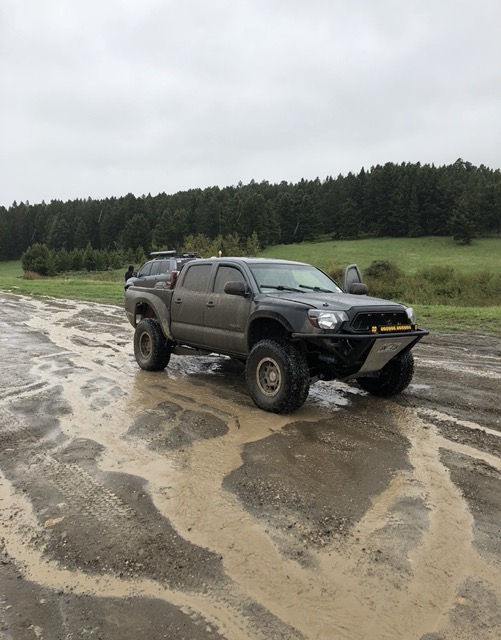
The Best Rig is the One that Gets Used
It’s easy to spend months researching modifications, comparing suspension kits, and debating tire sizes. Meanwhile, the best camp spots are waiting to be enjoyed.
Your overland rig will evolve over time, naturally. Every trip teaches you something new, whether it’s a piece of gear you can leave behind or one that earns a permanent place in your setup.
The journey from pavement to trail doesn’t begin with expensive modifications. It begins by loading up the vehicle you have, point it word a dirt road, and discovering where it can take you.
About the Gear Tester