
7 Tips to Help Non-Outdoorsy Loved Ones Enjoy the Outdoors
While you might love the outdoors, important people in your life might not be so excited to head out on a hike or spend the weekend camping. That doesn’t mean you can’t be friends! While some people will never be swayed into trying outdoor recreation, some will give it a chance – especially when they have a helpful guide like you!
If you have someone in your life who you’d like to take on outdoor excursions, there are ways to do it that will make the whole experience more than tolerable for everyone involved. I’ve combined my 10+ years of experience as an outdoor guide and outfitter – and a lifetime of loving the outdoors – to share these tips on making the outdoors comfortable for just about anyone.
1. Think Comfort
While you may count the ounces in your day pack (or skip it entirely), now’s not the time to think ultralight. Ensure your loved one has a positive experience by bringing items for comfort. Think: Extra layers (anything from Smartwool), snacks, hydration tablets, a battery bank in case someone’s phone dies.
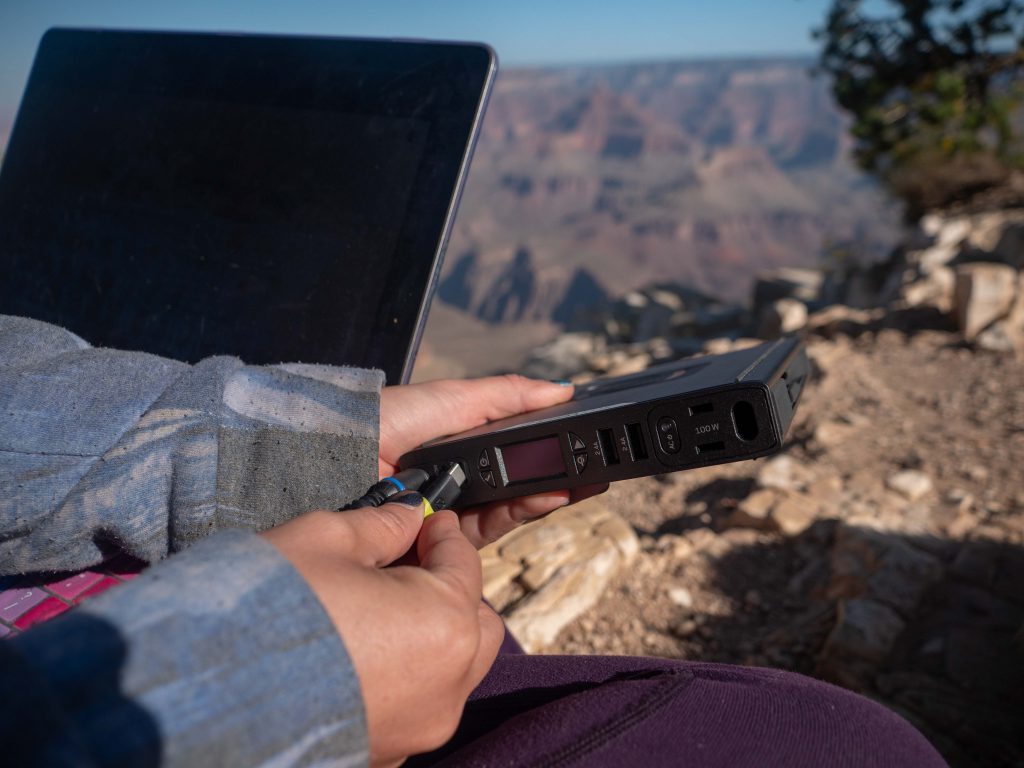
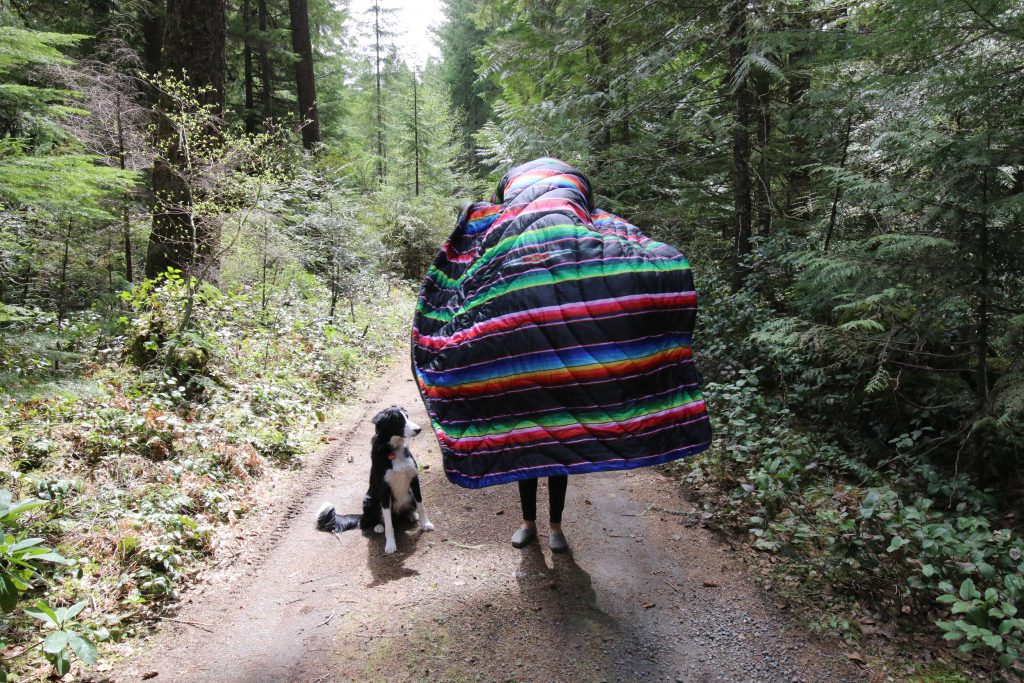
Consider what your friend is into and add related items to your pack. Perhaps your pal is a fashionista. Add a cute hat to your go bag for them to wear. Bring an instant camera for a social-media-inclined bud. Luxury can also be left at the car, like a puffy blanket (Rumpl 2P Backcountry Puffy Blanket) to prevent getting chilly after a strenuous or hot hike.
2. Keep it Short
Don’t introduce your loved one to the outdoors with a multi-day excursion to the backcountry. Start smaller with a closer-to-home destination and a shorter commitment. Several hour hikes, short jaunts to a county park, or even trying cross country skiing on a bluebird day might be the perfect way to introduce your friend or current/future significant other to your love of the outdoors.
3. Add Surprise and Delight
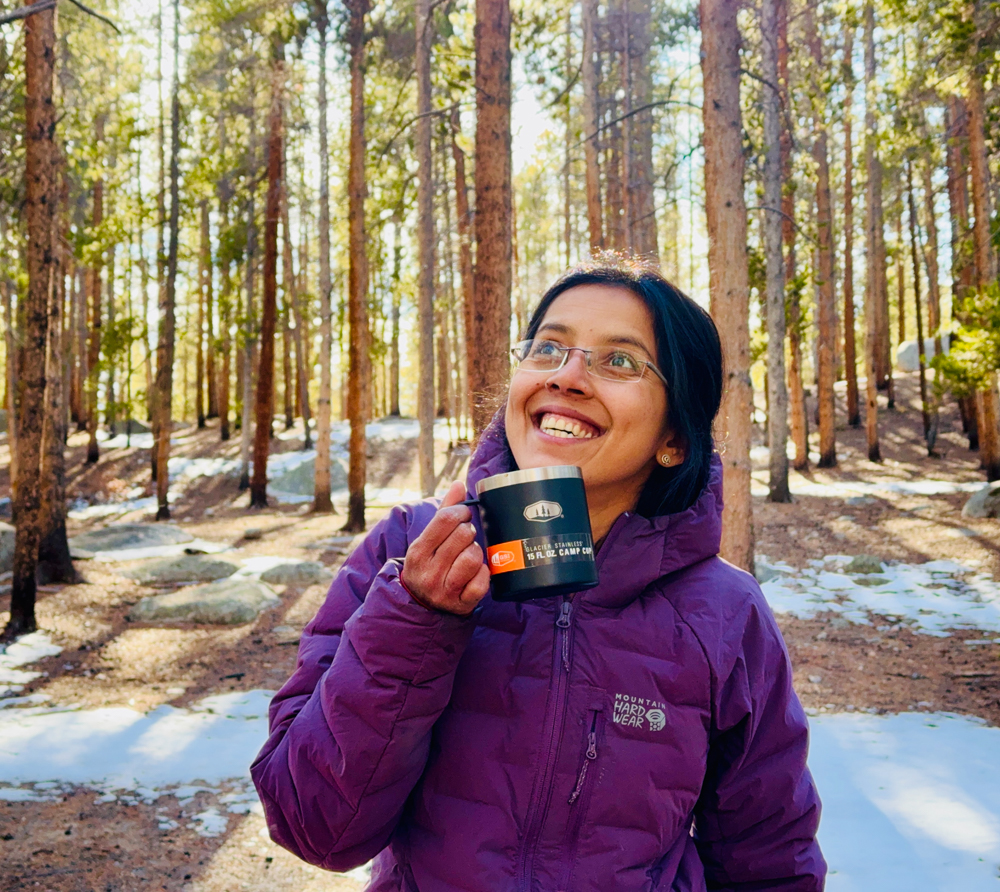
When I worked as an outdoor educator, we always brought a little surprise and delight for every adventure. We’d bring an MSR PocketRocket Deluxe on a two-hour front country excursion in the fall and make hot chocolate at the highest point of a hike. We’d add mini marshmallows and tuck a packet of cookies into our group day pack (alongside the first aid kit, extra Band-Aids for blisters, and hydration aids) for a little sugar buzz and our clients always felt special and cared for.
Do the same for your loved one with a surprise and delight they’ll really appreciate. Pack their favorite snack, bring a game they love, or stop somewhere along the route to your destination that they’ll appreciate. (Think: plant nursery, antique or thrift shop, cat cafe, whatever makes you think of them!)
4. Consider Their Fitness Level
For many people who are not inclined to go outdoors for fun, a 10-hour sufferfest is not the best way to start bringing them over to the dark side. (We’re fun! We have trees here! And camping!) Before planning an outdoor adventure, consider your loved one’s fitness level. If they’re more likely to lounge on the couch than hit pilates, consider a slower pace, less strenuous adventure. If your pal is a cardio king, ask if they want to try something more intense like a longer hike, harder climb, or overall bigger activity.

5. Involve Them in the Planning
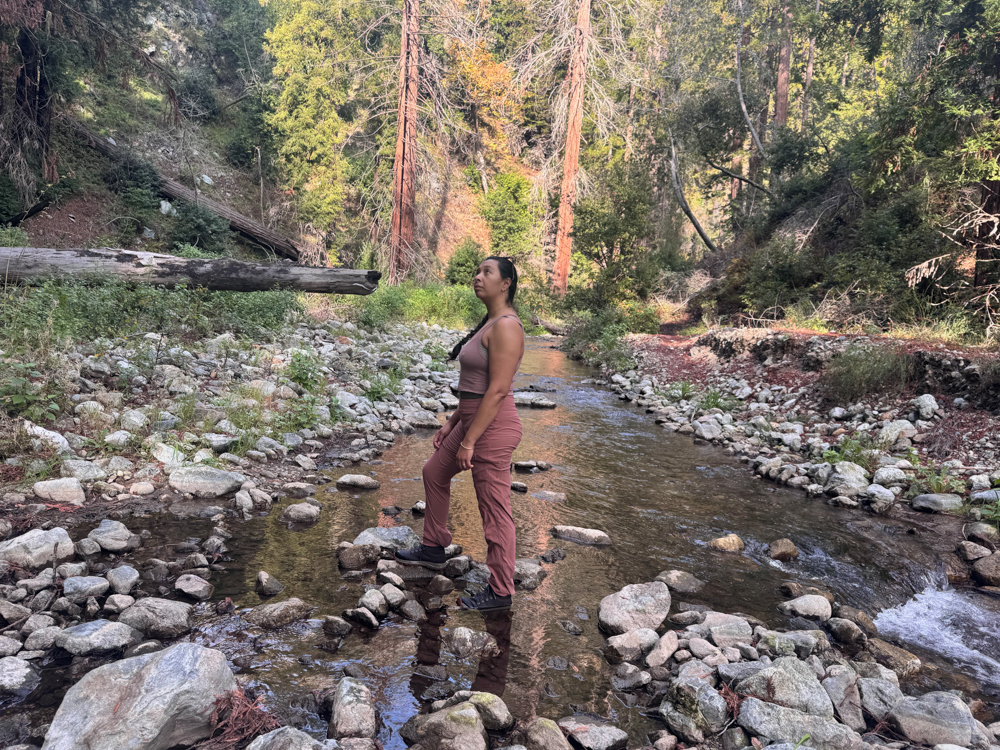
Many people have anxiety around being outdoors. Concerns range from “Where will I pee?” to “What if I get lost/cold/tired?” Help quell your loved one’s anxieties by involving them in planning the activity. Select a couple of possible options and have them choose. Include adventures of varying length, difficulty levels, and distances from home. Think of what particular concerns they may have (like where is the closest brewery or can my dog come?) and answer those questions during the planning to help them decide the best option for them.
6. Be Flexible
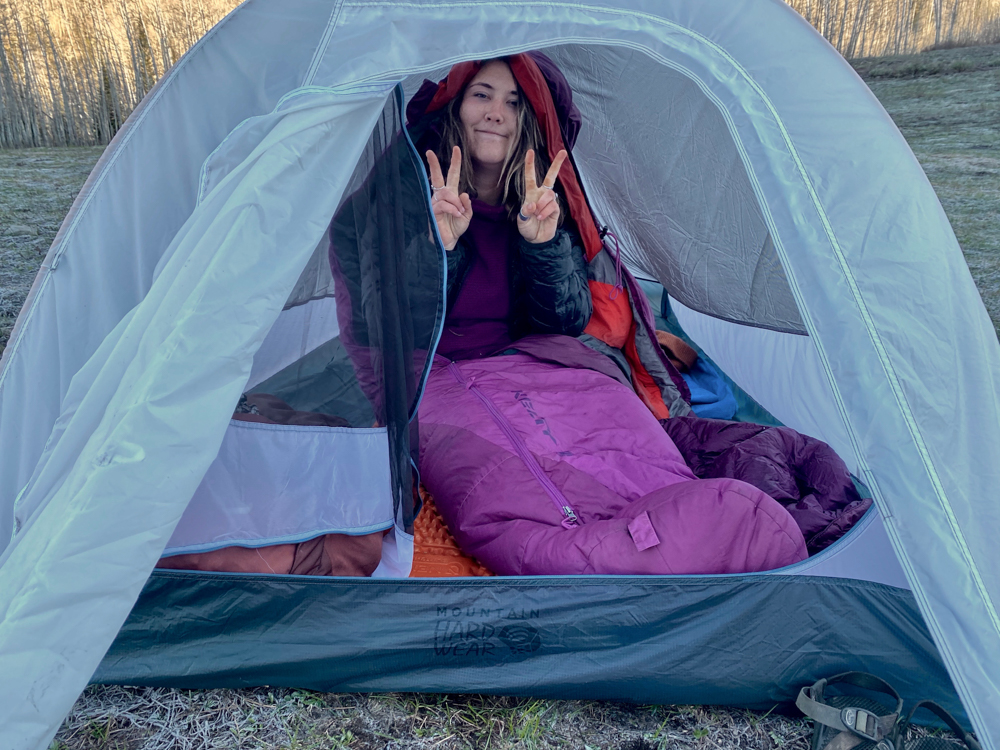
Whenever I guide a beginner outdoor activity, I make sure we can change our route, destination, or minds at any point. When hiking, I choose loop routes that let us see how we’re feeling in the moment and decide whether to turn back early or continue on a longer hike. Whatever activity you’re taking your loved one on, offer variations so you can be flexible. This helps the person feel like they have some control and that you are keeping them in mind. Plus, if they decide the activity, weather, day, (etc) aren’t for them, you can easily change plans to something they will like.
7. Assess the “Ick Factor”
What is it about the outdoors that has kept your loved one from trying it in the past? For some people, it’s the possibility of interacting with creepy crawlies like bugs or snakes. Others are concerned about getting lost, not knowing how to do something, or encountering a wild animal. Ask your loved one what they’re concerned about or afraid of and build your chosen activity around that.
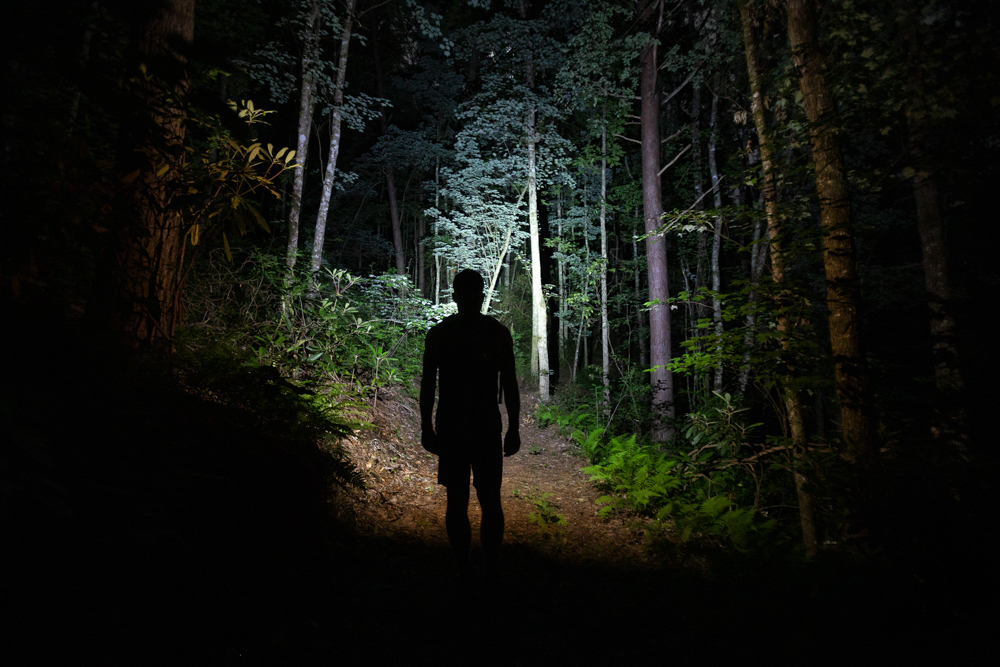
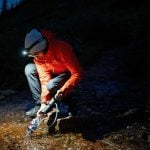
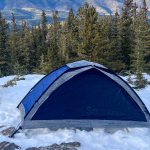
If you’re trying to take a partner camping and they’re afraid of the dark, light everything up. Supply them with a flashlight and a headlamp, and put up string lights and a lantern around the campsite. Choose a site near a bathroom that has an outside light. For extra points, volunteer to be the last person to crawl into the tent, making sure the tent is already lit with a battery-powered lantern and string lights hanging from the roof.
Help your bug-averse friend by choosing a destination and activity that are not likely to have bugs. Consider the time of year and rainfall amounts, as these factors can greatly influence whether an area is “buggy.” Cold-weather activities are less likely to have bugs, such as snowshoeing, cross-country skiing, or winter hiking. There’s always going to town on the bug spray and donning mesh bug netting to reduce bug exposure during warmer-weather activities like paddling, hiking, or biking.
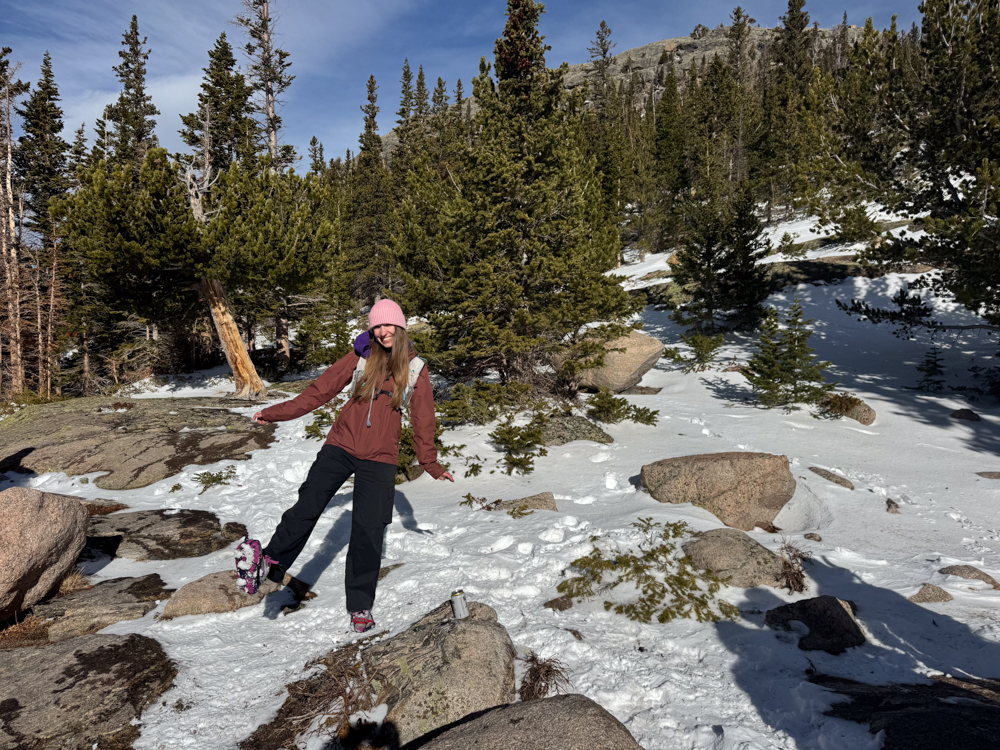
Consider yourself lucky if your self-proclaimed “non-outdoorsy” loved one is interested in trying something new because they love you! Give these seven tips a try and let us know which ones worked for you.
Cover photo credit: Jake Melara
About the Gear Tester
Hatie Parmeter
Hatie Parmeter (she/her) digs hiking, paddling, and yoga. She's a writer and editor in the outdoor industry and is working toward an MS in Clinical Mental Health Counseling. Soon, you'll find her teaching wilderness mental health resources for outdoor outfitters, guides, camps, and more. Bio image is by Lauren Danilek.
- Hatie Parmeter
- Hatie Parmeter
- Hatie Parmeter
- Hatie Parmeter

- Hatie Parmeter
- Hatie Parmeter
- Hatie Parmeter

- Hatie Parmeter

- Hatie Parmeter

- Hatie Parmeter
- Hatie Parmeter
- Hatie Parmeter