So You Want To Ride Halfpipe
Riding halfpipe is more than learning a terrain park feature – it’s learning to move through fear, momentum, and joy in a way that mirrors the rhythms of life itself. This guide breaks down what a halfpipe is, how to ride it on a snowboard or skis, and the mindset you need to progress safely and confidently.
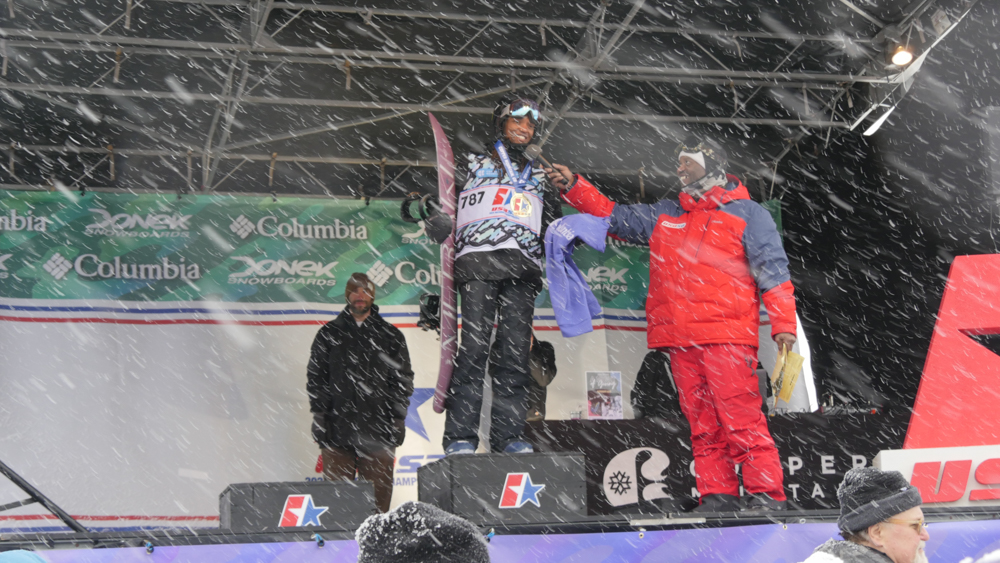
The first time I dropped into a halfpipe, a kind stranger told me, “Don’t fear it, just cut it in half.” The walls towered above me, and the moment my edges engaged, the ups and downs of the pipe sent the same swooping rush through my stomach that falling in love does. That feeling stuck. I’m now in my fourth year of competing in snowboard halfpipe. Last season I reached my goal of placing in the top five in Open Class Nationals, and this year I’ll be riding the Rev Tour (one step below the World Cup circuit).
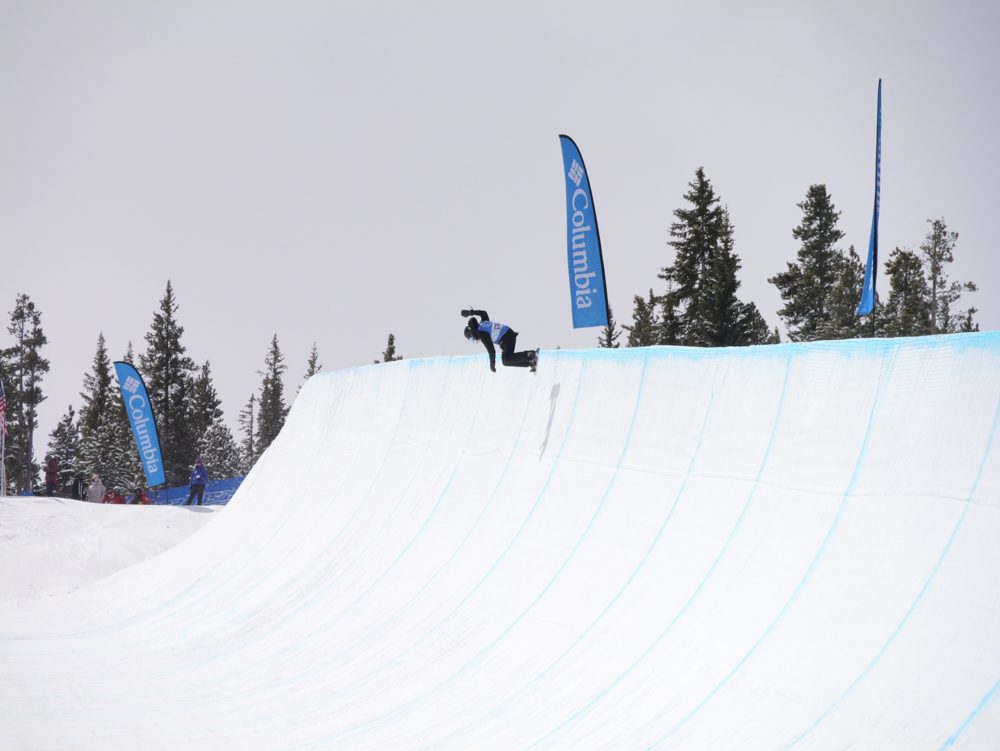
What Is A Halfpipe?
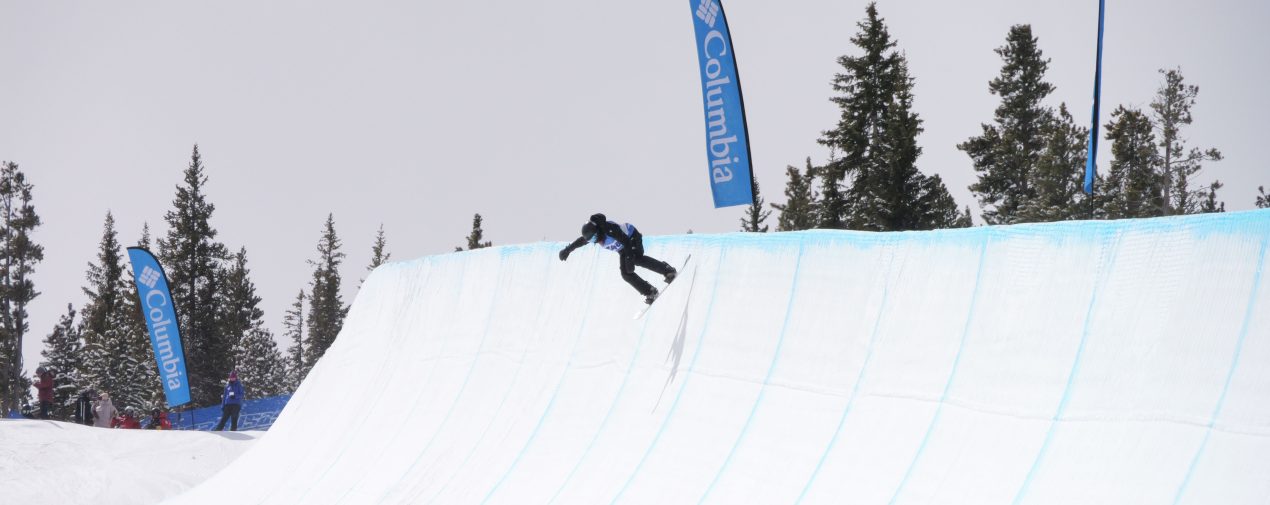
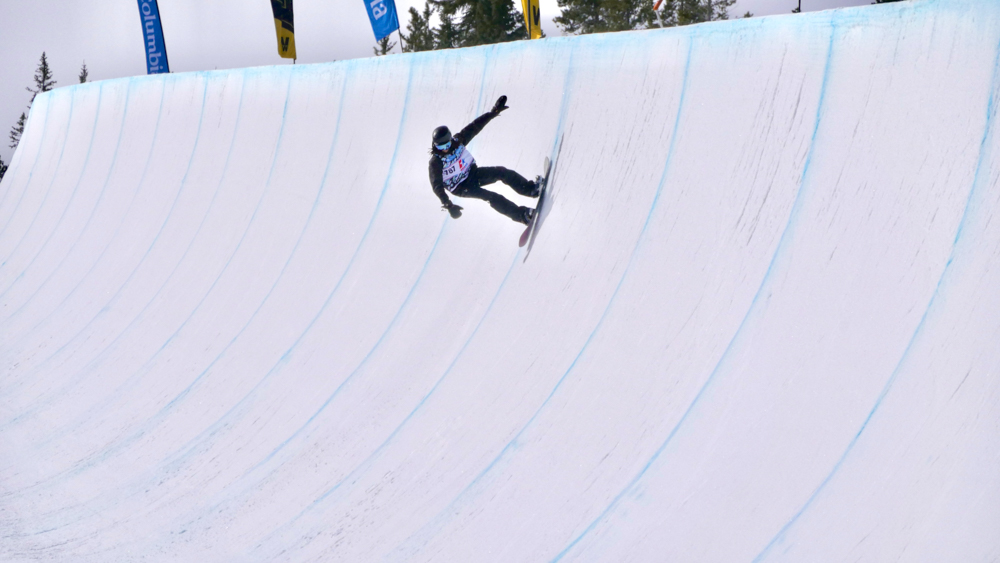
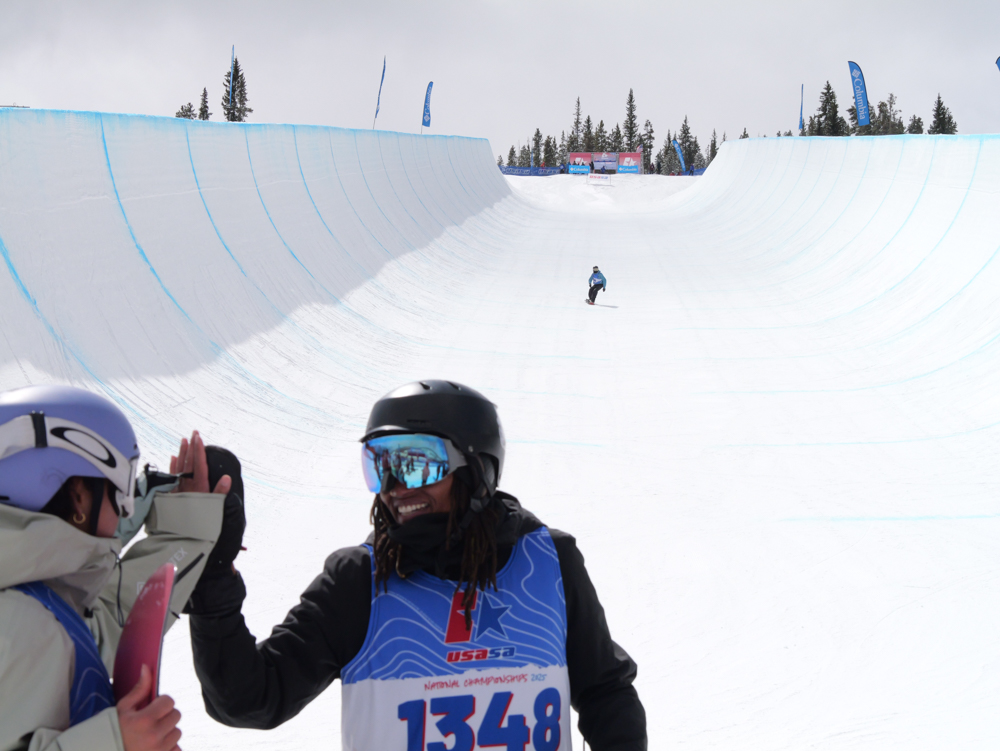
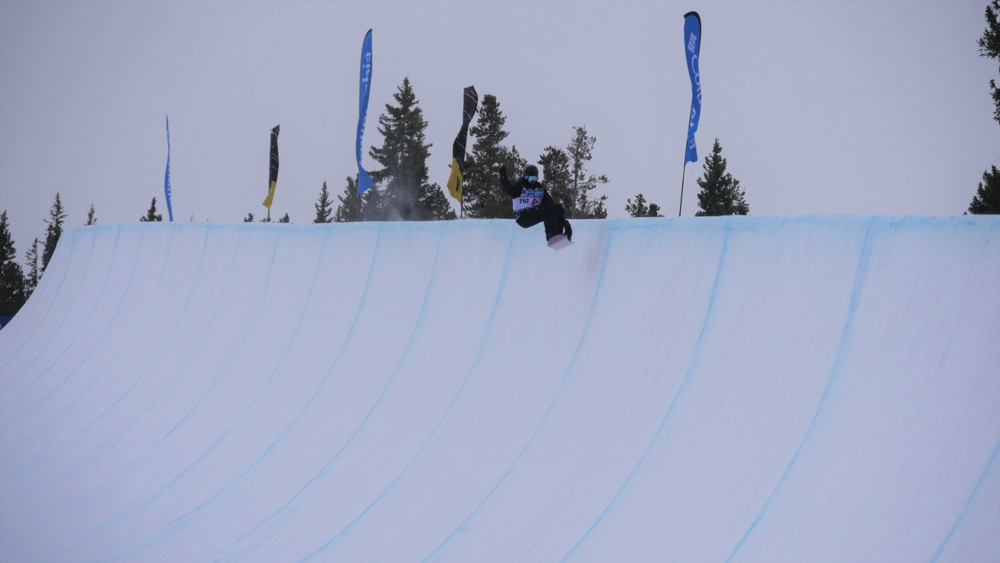
A halfpipe is a U-shaped snow structure ranging from 14 feet to Olympic-sized 22 feet, aka “superpipe.” From the outside, it looks massive and intimidating. But like most challenges in life, once you break it down, it becomes less scary. Riding pipe blends control with surrender. The walls are engineered to guide you upward into brief moments of human flight, the closest thing to freedom some of us get. Resist too much, and you’ll fight the very shape meant to carry you. But lean in, trust your edges, trust the momentum, and the pipe gives you a path.
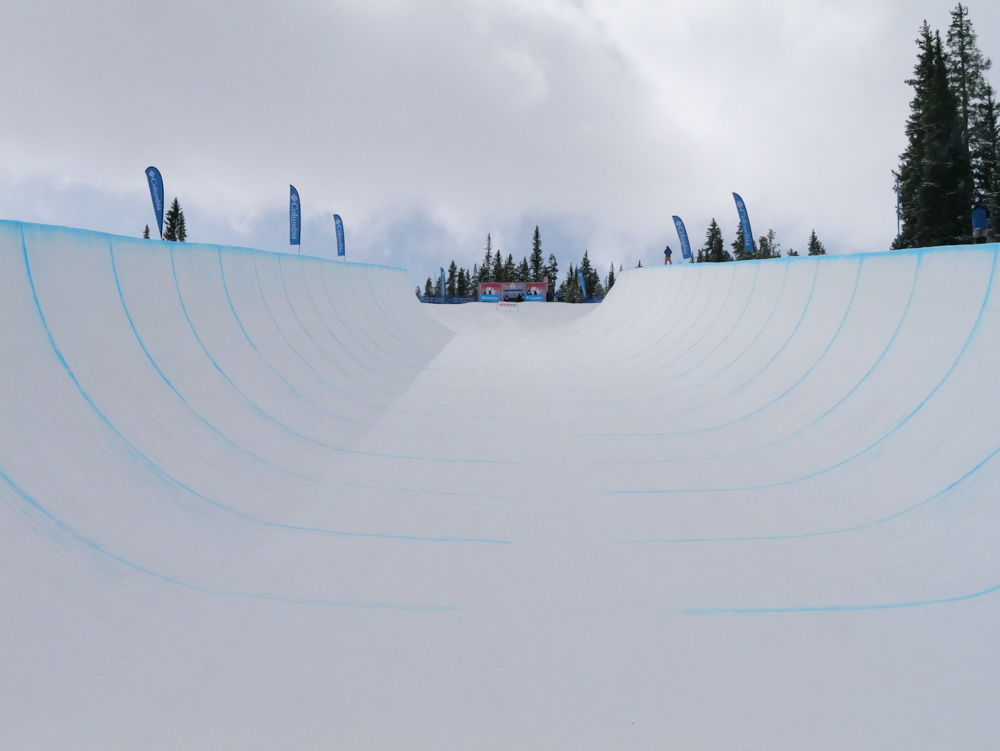
Inside a halfpipe, you’re held in the cupped hand of the snow gods. Unlike a jump, where you get one shot per feature, a halfpipe gives you hit after hit on the same feature, letting you build rhythm, confidence, and creativity.
So you’ve made it to the terrain park, rolled up to the halfpipe…and now what? Below is how to ride the halfpipe safely, technically, and with a little poetry.
How To Ride a Halfpipe
1. Drop Your Fears and Trust the Pipe
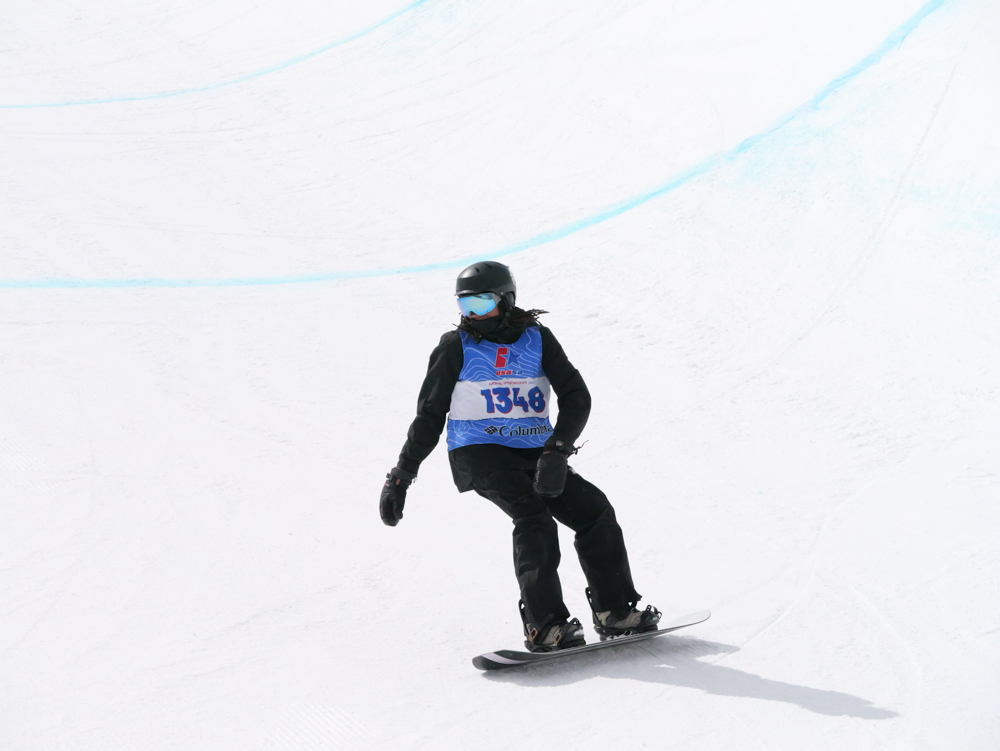
I get it. A halfpipe can feel intimidating. Start by taking a deep breath and visualizing your line. Trust the design of the pipe because it’s meant to guide you. Trust your edges, for they will hold you. Fear stiffens your body; trust softens it just enough to react to the snow beneath you.
Pro tip
Start by riding through the center of the pipe to feel the shape before attempting transitions.
2. Master Edge Control
Halfpipe riding is all about being on the right edge at the right time.
For Snowboarders
- You have a toe-side wall and a heel-side wall.
- Goofy riders: toe-side is rider’s left.
- Regular riders: toe-side is rider’s right.
For Skiers
- You shift edges too—different mechanics, same principle.
- Stay light and centered; avoid twisting your upper body.
No matter your sport, you must change edges before your momentum stalls or you’ll catch an edge and tumble (been there, done that). The pipe rewards clean transitions.
3. Start Small and Build Confidence
One of the beautiful things about halfpipe riding is that you can progress at your own pace. You don’t have to go to the top of the wall on day one.
You can:
- Ride straight through the middle
- Go up the walls a few feet
- Work on clean transitions
- Or, when ready, send it to the sky
When you’re learning, “cut the pipe in half.” As in, make it half the height by only riding halfway up each side. Riding halfway up the walls gets you used to the shape and timing. Technique always comes before amplitude.
4. Get Vertical
Pipe riding happens on a different plane than the rest of the terrain park. Jumps, rails, and side hits sit on the horizontal x-axis.
The halfpipe pushes you up the y-axis – like a pendulum, building energy.
- Maintain speed down the fall line; speed equals height.
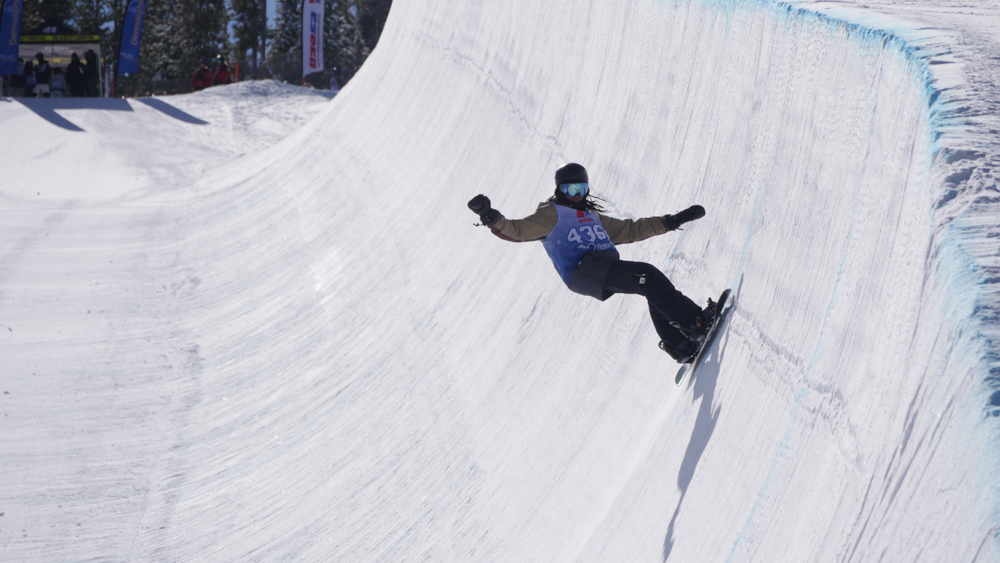
- Stay stacked (hips over feet, shoulders over hips) as you climb the wall.
- Look where you want to go. Your head leads your body.
- Flatten and extend up the wall, then absorb lightly as you switch edges.
Halfpipe rewards alignment, timing, and flow. When you get it right, the walls don’t feel like obstacles; they’re more of an invitation.
Bridging the Technical + Mindset
Halfpipe is your friend, not a threat. To ride it well, you have to balance two things: precision and presence.
- Precision gives you clean edge changes, controlled speed, and proper body position.
- Presence lets you stay relaxed, adapt to terrain, and trust your momentum.
To go vertical, you first have to go down. Into the pipe, into the moment, and into yourself. Dig deep. Set your line. Then look up, trust the snow gods, and rise.
About the Gear Tester
Amber Davis
- Amber Davis

- Amber Davis
- Amber Davis
- Amber Davis

- Amber Davis
- Amber Davis

- Amber Davis

- Amber Davis
- Amber Davis
- Amber Davis
- Amber Davis

- Amber Davis

- Amber Davis

- Amber Davis
- Amber Davis

- Amber Davis
- Amber Davis
- Amber Davis
- Amber Davis
- Amber Davis