Animal Track Identification 101
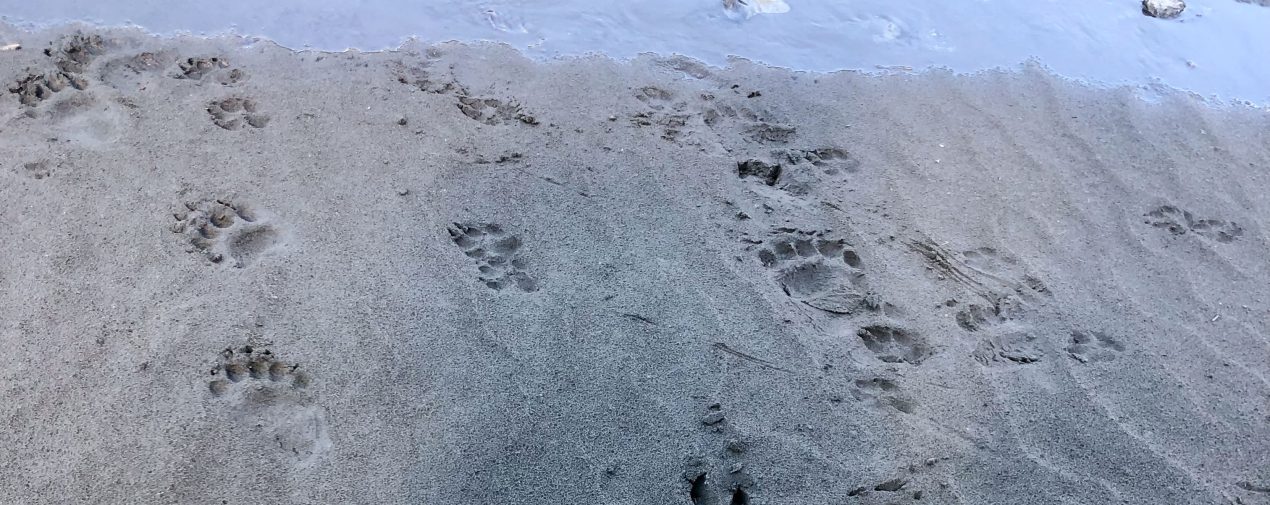
Whether you are in pursuit of an animal to harvest or an eco-curious adventurer, learning to identify animal tracks is a great skill to have. What do you see in the photo above? I see black bear, large canine, brown bear, and mountain goat tracks. Below is my approach to track identification, which may give you some ideas on how to start your own journey.
Consider your location and its regular visitors
The idea of seeing tracks from a rare animal is exciting, but you should start by considering the regular populations. The cover photo was taken in the Chugach Mountains in Southcentral Alaska. I know from living and working in this area, commonly seen animals include moose, black bear, brown bear, Dall sheep, Rocky Mountain goats, wolves, snowshoe hare, and fox.
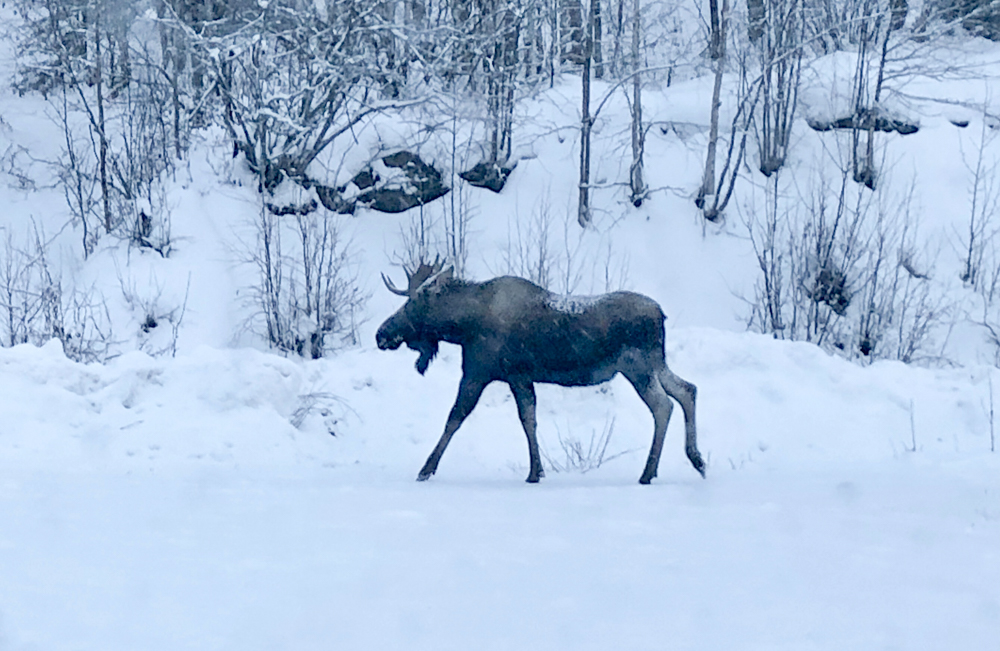
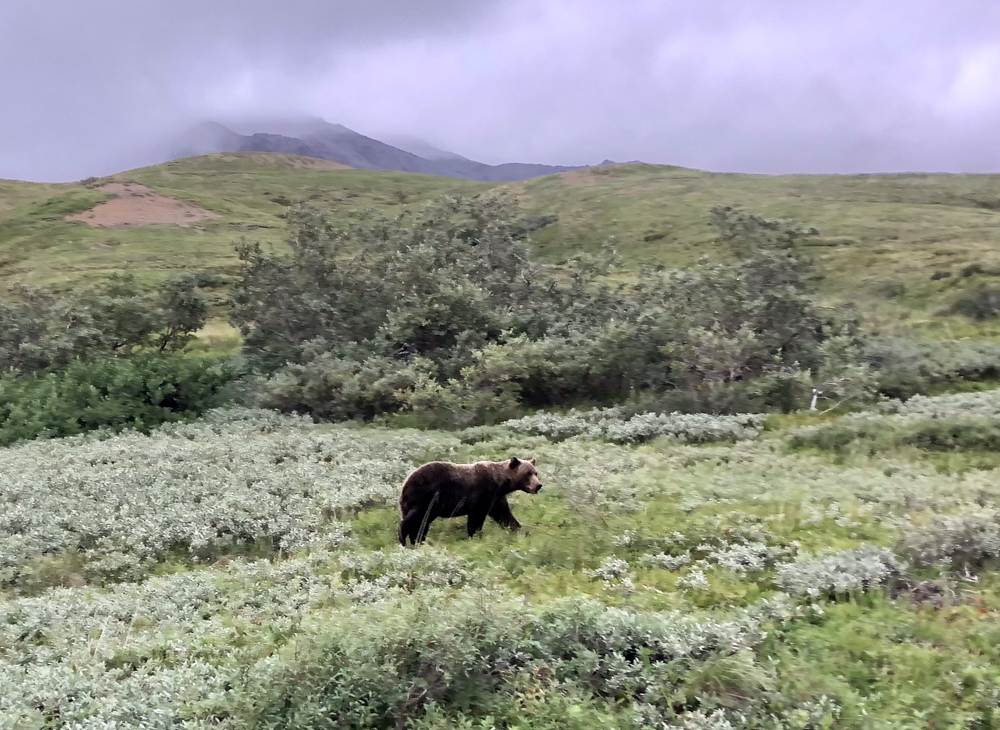
It wouldn’t be impossible for a deer, caribou, or elk to be seen here, but it is highly unlikely. Similarly, you probably will not find a moose in Florida or an alligator in Nebraska. Always rule out all markers for your known population first. Digital platforms such as iNaturalist can help you learn about wildlife sightings in your area.
Factor in the environment
Separate from your geographical location, you should consider the immediate environment, including food sources, protective cover, and elevation. Species such as river otters and beaver will generally stay close to water. Mountain goats may live close by but will often be up in high alpine areas. Rabbits and hares will stick to areas with small brose for food and shelter, while lynx will often stay close to areas with abundant rabbit and hare populations. One exception to this consideration, however, is accessing a water source. The cover photograph was taken at a low elevation, but the goat likely came down for a drink of water.
Categorize the prints
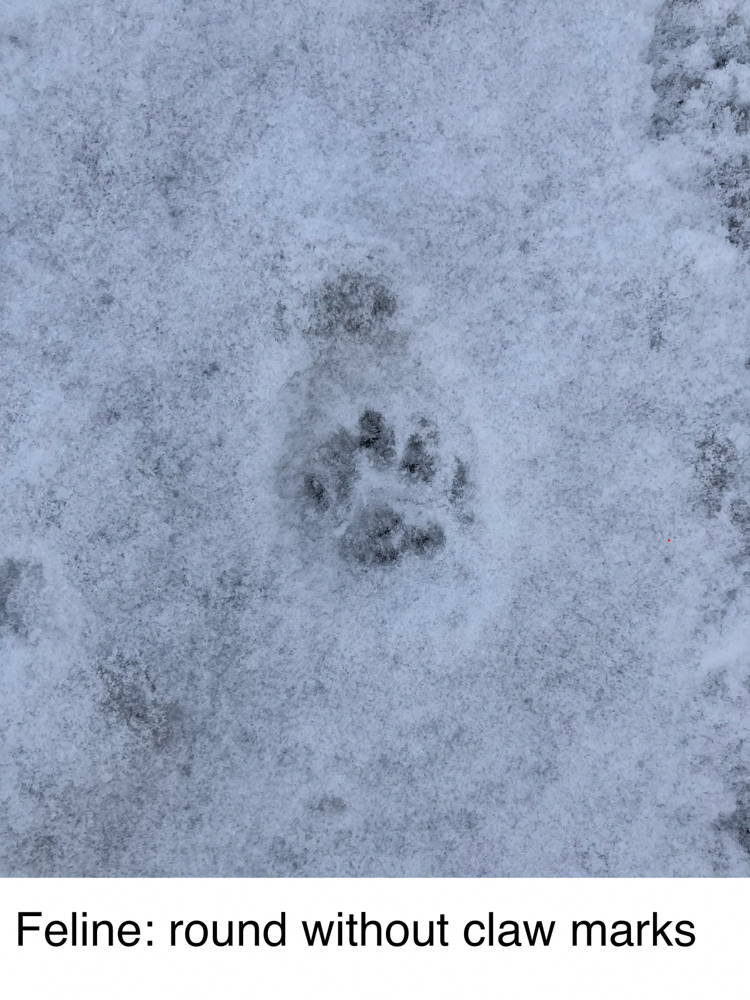
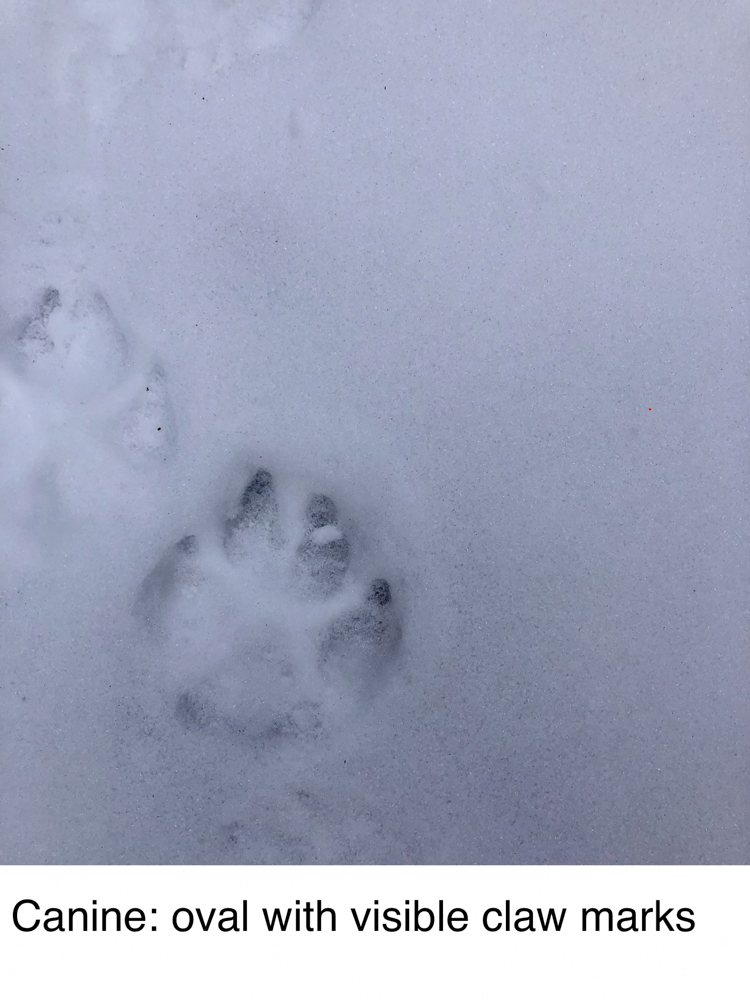
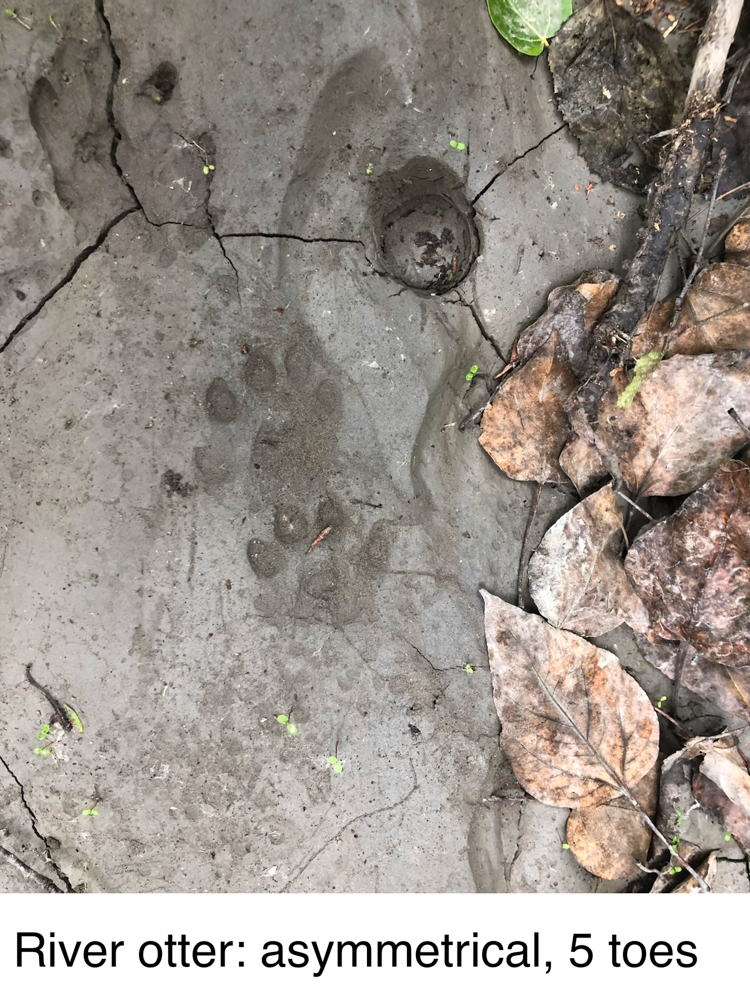
Many large animal tracks can be divided into a handful of categories. Animals with split (cloven) hooves include deer, elk, bison, cattle, moose, sheep, and goats. Horses and burros will have a single, unsplit hoof mark. Bears, including black bears, brown (aka grizzly) bears, and polar bears have a print with 5 toes and often visible claw marks. Canine tracks from wolves, foxes, coyotes, and domestic dogs have a single-lobed heal pad, 4 toes, and visible claw marks. Feline tracks from lynx, mountain lion, bobcat, jaguar, and domestic cats are similar with a single-lobed heal pad and 4 toes but have an overall rounder shape and generally lack visible claw marks. In the above photo, there bear prints, canine prints, and cloven hoof prints.
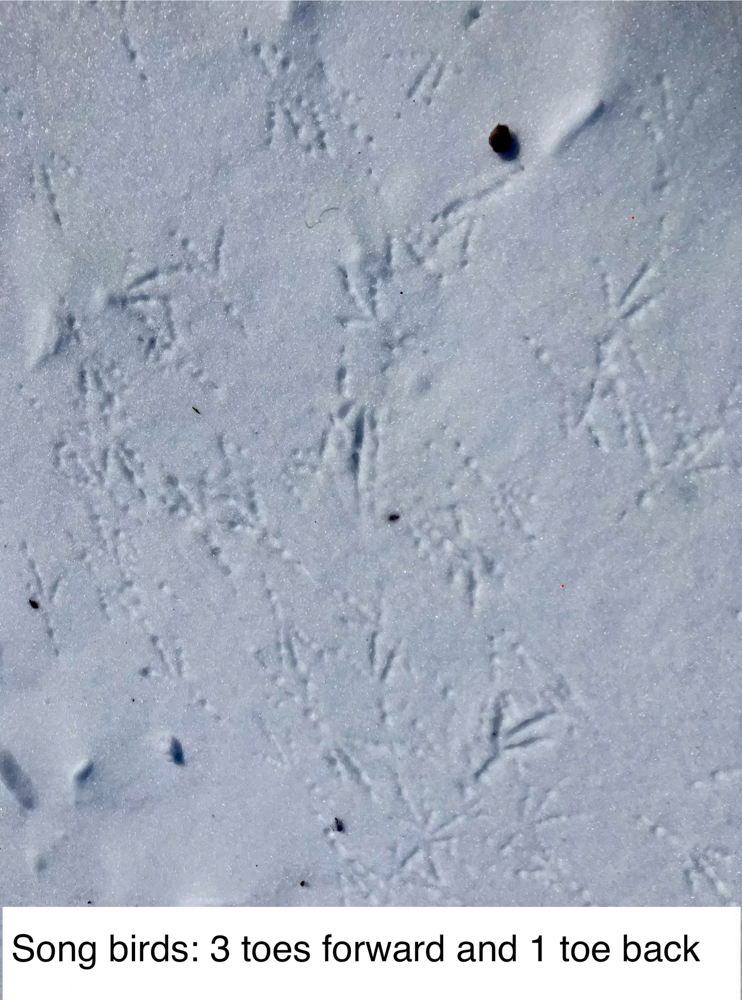
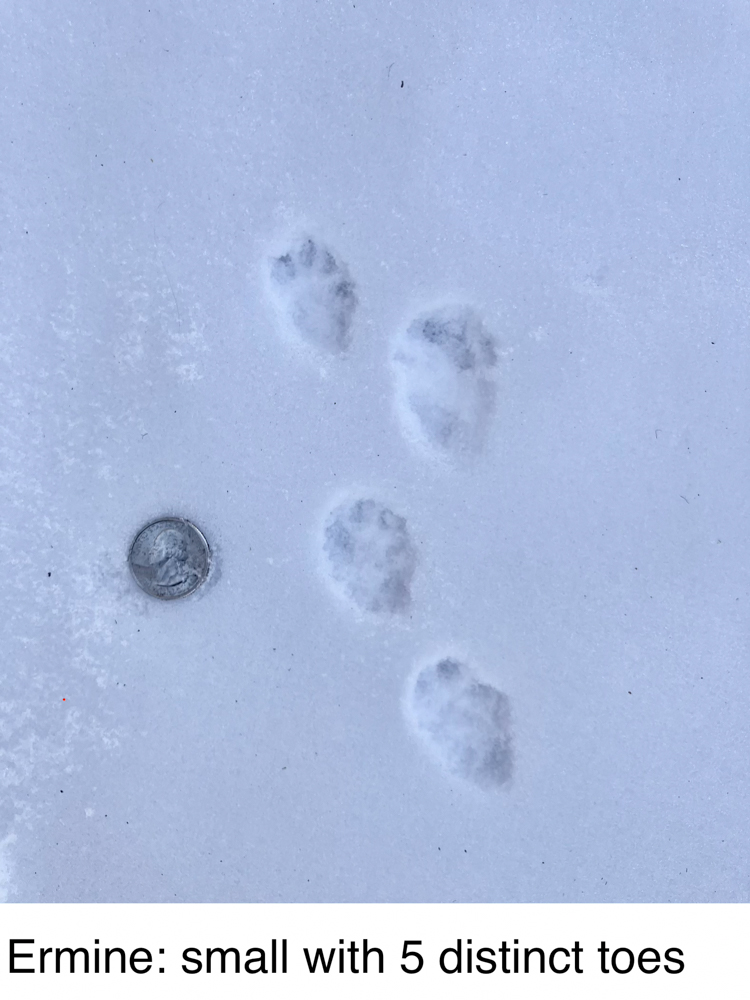
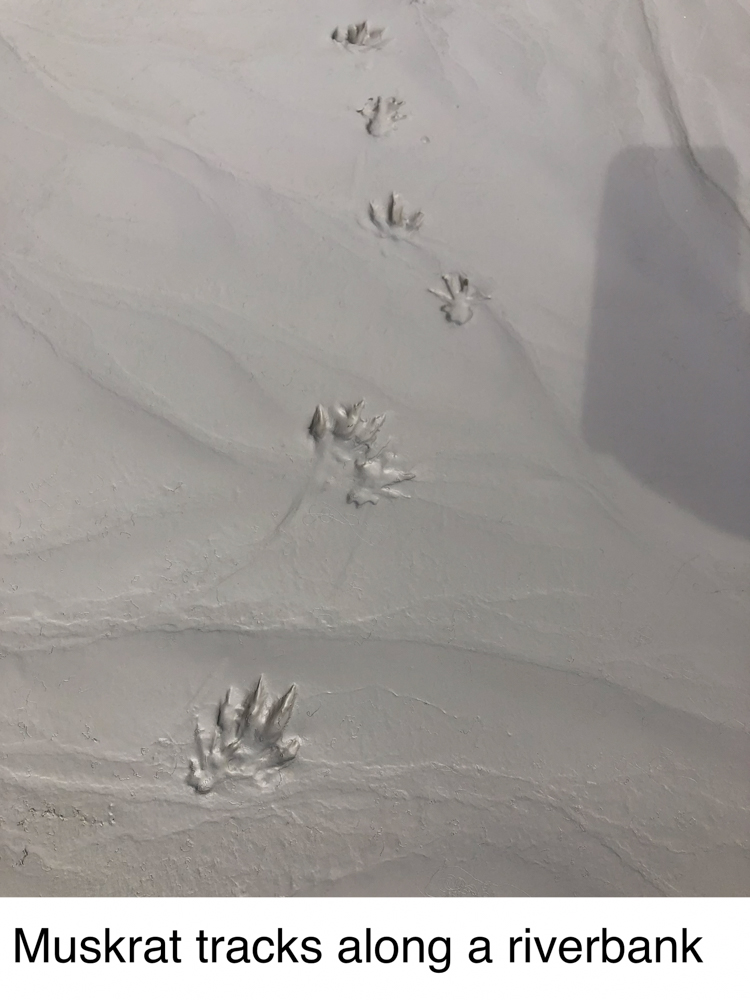
Birds, small mammals, amphibians, and reptiles also leave tracks but are not as easily categorized. Birds, for example, can have a varying number of toes pointed in different directions, webbing, large talons, and so on based on lifestyle and climate adaptations. It is best to use other factors to identify species in these groups. You will still want to note markers such as how many toes, if claw marks are visible, etc. to help you draw a conclusion down the line. The Farmer’s Almanac gives some great illustrated examples here of common species found in North America, including many small animal tracks.
Size matters
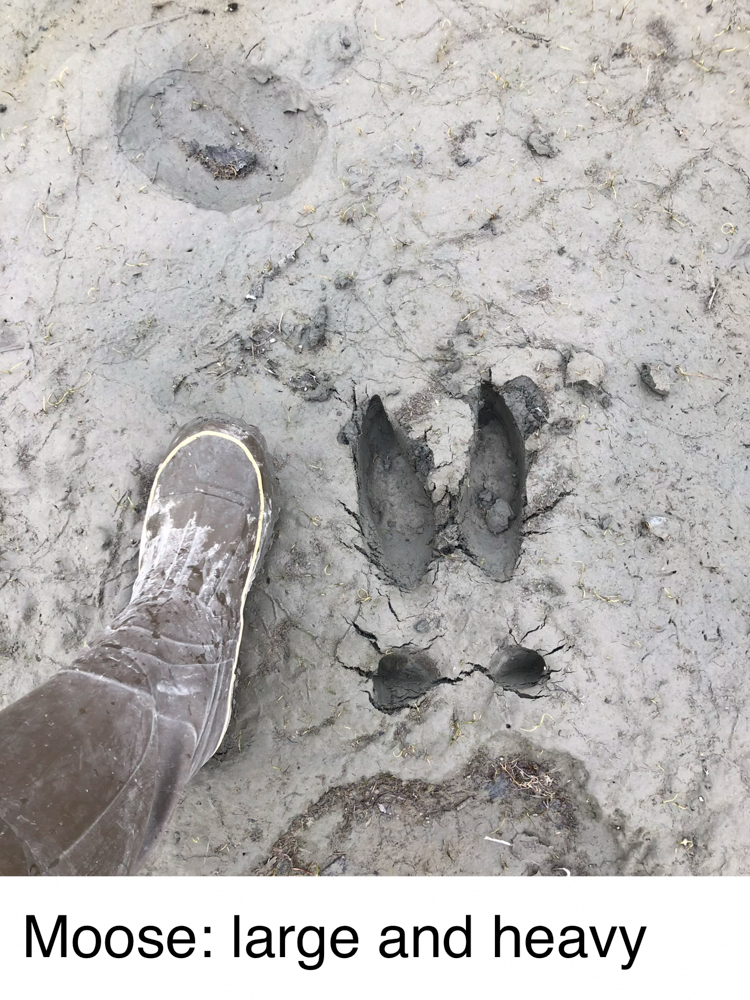
The overall size of the print should be one factor that is taken into consideration but not used as a determining factor. The footprint of a fox and the footprint of a wolf will have a very similar shape, but very different sizes.
The exception to this rule is most visible in spring time when juveniles are often present. It may be difficult to differentiate the track of a newborn moose from that of an adult deer. Size gives us a few clues for the species in the above photos. The bear tracks are two different sizes, which could mean two different species. The canine tracks appear large in relation to the two sets of bear tracks, ruling out smaller canines. The split hoof prints are small, but this photograph was taken during early summer. Because there are no larger split hoof prints present, I do not believe they are from a juvenile moose, however.
Shaping up
To narrow down the species beyond a broad category, you will want to examine the shape of the print. In my example photo, the cloven-hoofed print size wise could be either a sheep or a goat. Sheep prints tend to have more of a heart shape while mountain goats have a more pronounced “V” shape. I see more of a “V” shape in the above photo.
Differentiating between a black bear and a brown or grizzly bear is often of interest to many people. The fact of the matter is that all bears should be viewed as dangerous animals. There are attacks by both species every year in North America.
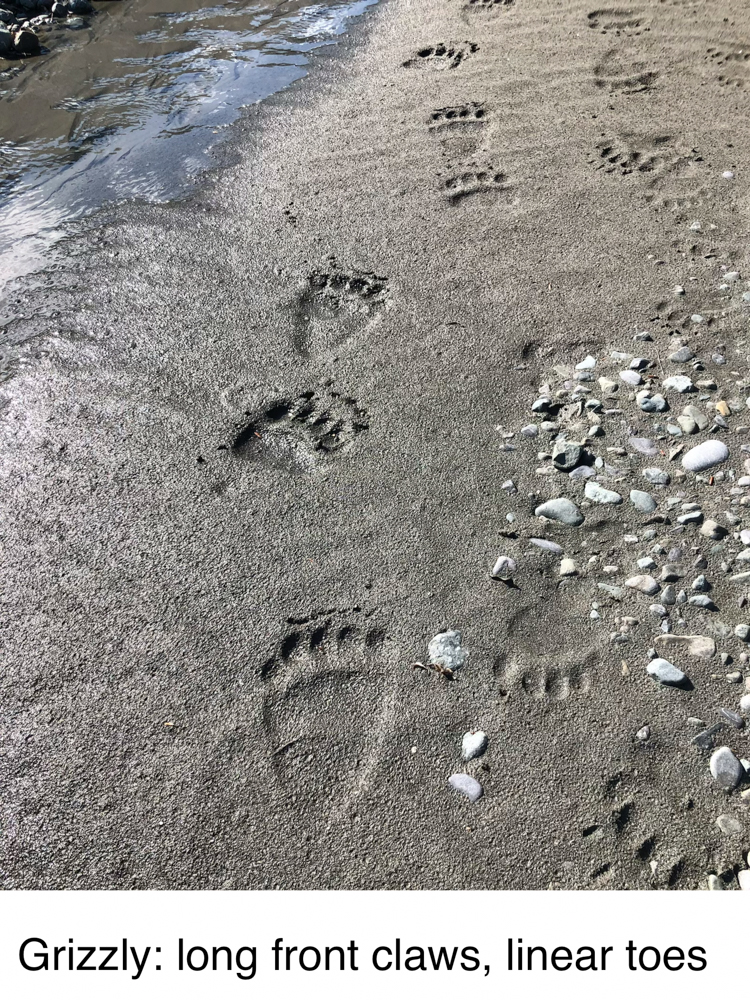
The arrangement of the toes of black bear tracks tends to have more of a curve than brown bear, which is more linear. In addition, the claws of the black bear are usually smaller and closer to the toes in the print than the brown bear’s long claws. Missoula Bears give a nice basic rundown of the differences between the two species, including tracks, here. In the above photo, the bear prints on the left-hand side of the photo show both curved toe arrangement and close claw marks. The bear prints on the right-hand side show toes lined up in a more linear pattern and claw marks extending well beyond the toe prints.
Other clues
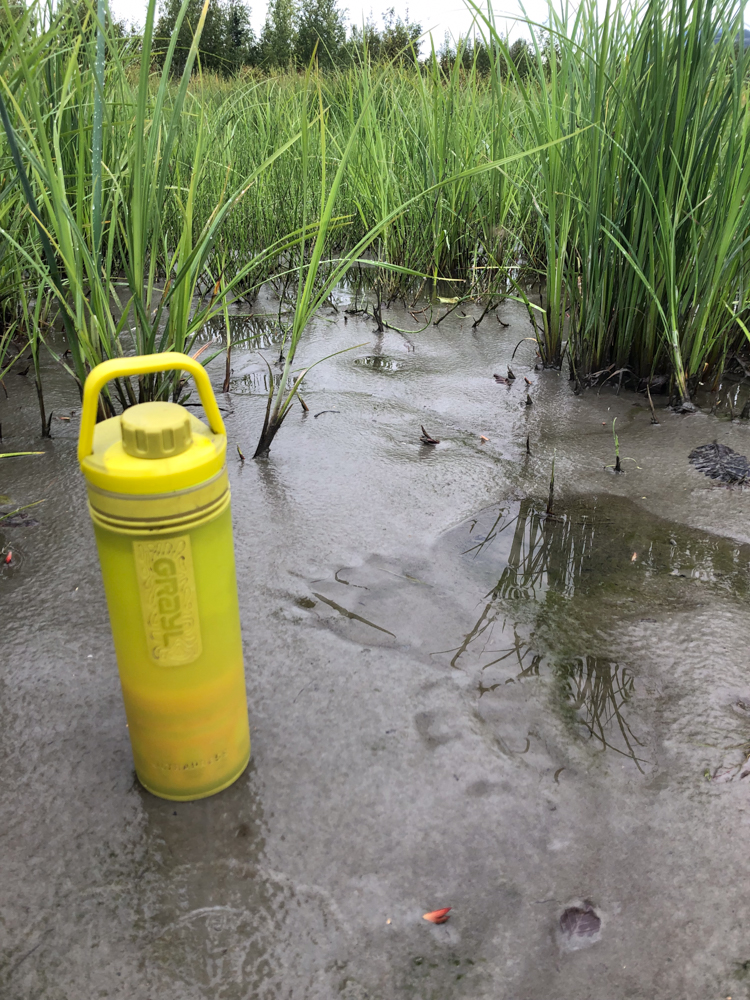
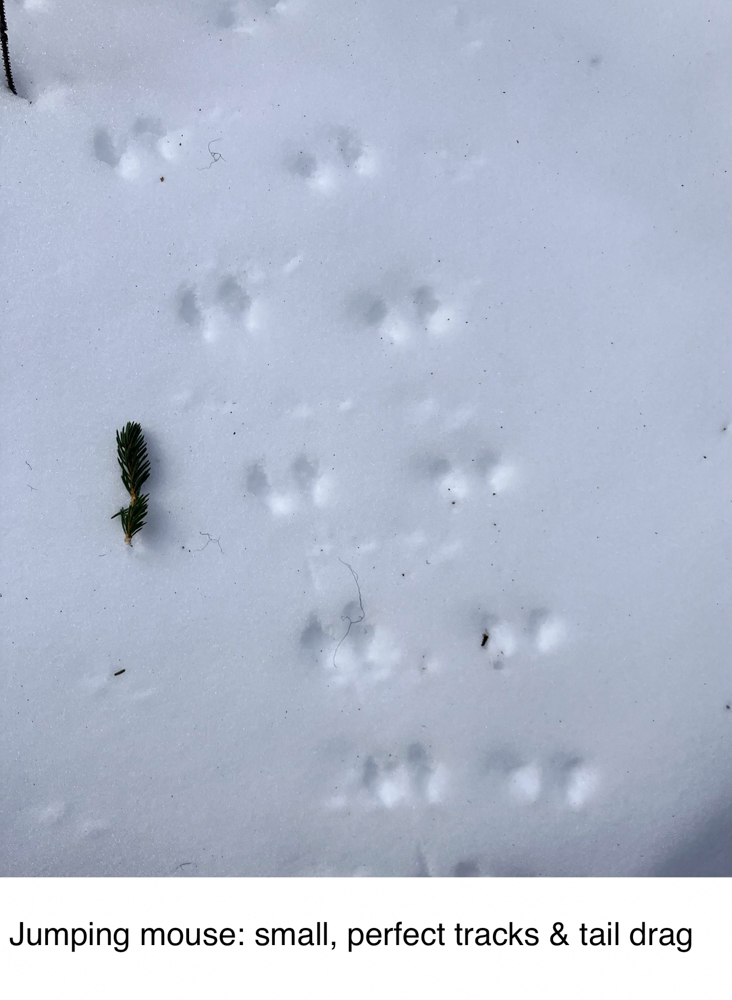
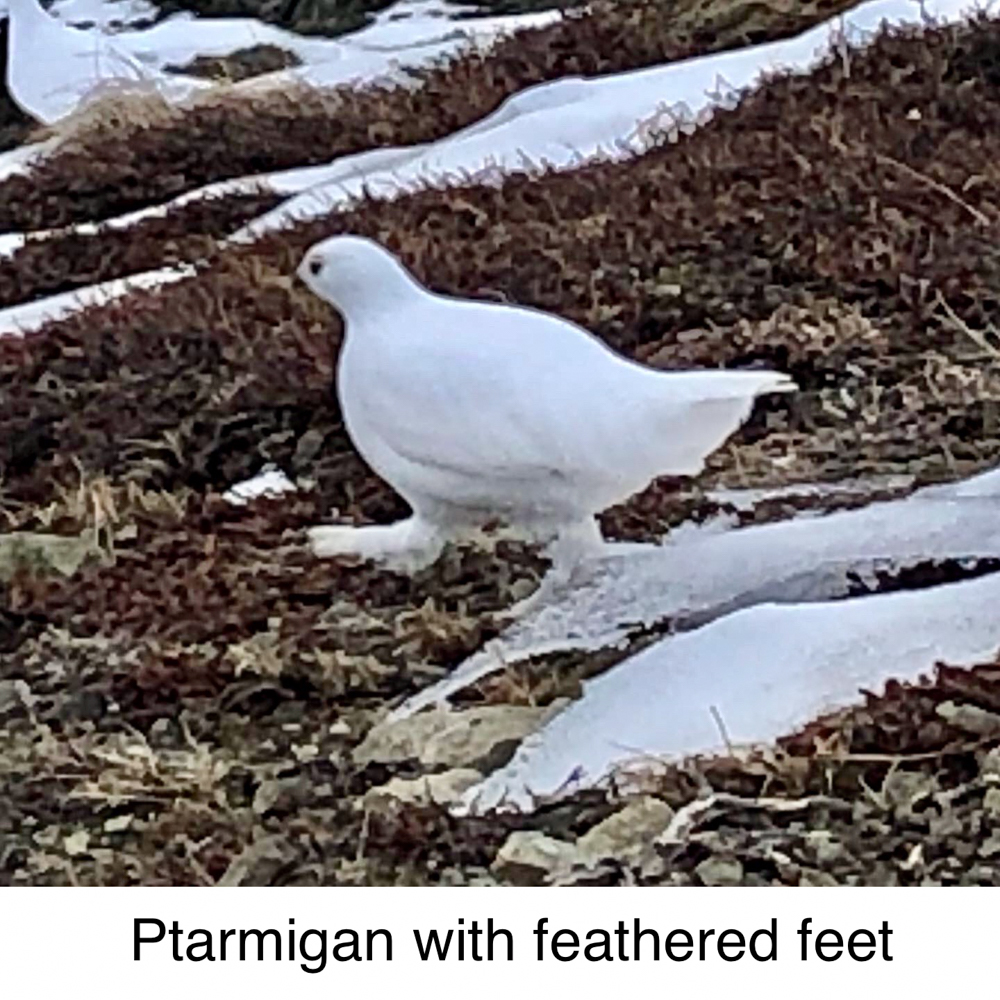
Especially when trying to identify the tracks of smaller animals, observing other clues will help you narrow down your species lists. Ducks and beavers, for example, both have webbed feet. Raccoons and mice may drag their tails while walking, while a turtle will drag its shell. The feathery feet of a ptarmigan will leave a different print than a grouse, though they are both roughly the same size bird.
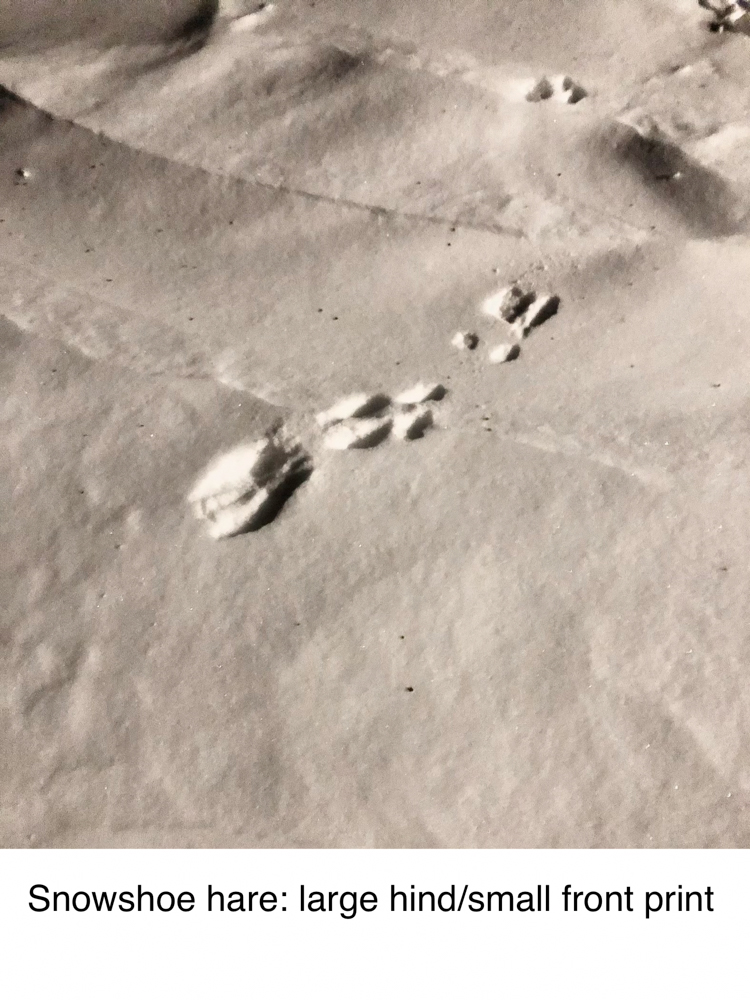
Animal droppings, chewed-down vegetation, or a partially eaten carcass may also provide additional clues on what kind of animal was walking through. The pattern of the tracks can tell a story as well. For example, fox tracks leave a pattern in nearly a straight line. Some animals leave 4 distinct tracks, while others leave “perfect” tracks with the hind feet landing in the same print as the front feet. Hares and rabbits leave very long prints with their hind legs and small prints from their front feet.
Getting started
Just like any skill, learning to identify tracks takes time. Attending ranger lead walks in national parks or other outdoor adventures guided by naturalists can be a great jumping-off point. If big game animals are your primary interest, Outdoor Life published a comprehensive online guide. A visit to your local fish and game office or national park headquarters often provides you with access to free literature and pocket-sized guide cards with examples of tracks most commonly found in your area.
Want to check your work? Set up a trail camera in an area such as a water source where animals are likely to frequent. Tactacam and Stealth Cam are two great options for cameras. Regardless of your experience, skill level, or location, taking time to observe and ponder tracks or other animal signs will leave you with a deeper appreciation of the natural world that surrounds you.
About the Gear Tester
Michelle Beadle
Michelle currently resides in Alaska working and volunteering in the conservation field for various government, tribal, and non-profit entities on projects in remote areas. When not at work, you can find her hiking, skiing, climbing, horseback riding, running, biking, hunting, fishing, or trying out new ways to explore the outdoors. She can be found on Instagram under michelle_ventures.
- Michelle Beadle

- Michelle Beadle

- Michelle Beadle
- Michelle Beadle
- Michelle Beadle

- Michelle Beadle

- Michelle Beadle
- Michelle Beadle

- Michelle Beadle

- Michelle Beadle

- Michelle Beadle

- Michelle Beadle
- Michelle Beadle
- Michelle Beadle
- Michelle Beadle

- Michelle Beadle
- Michelle Beadle

- Michelle Beadle
- Michelle Beadle
- Michelle Beadle

- Michelle Beadle
- Michelle Beadle

- Michelle Beadle
- Michelle Beadle
- Michelle Beadle
- Michelle Beadle

- Michelle Beadle

- Michelle Beadle