ProView – Gregory Climbing Pack Kit Review
Gregory has a very interesting lineup of products for 2026 – some old, some new. I was able to test three items this spring: the Hydro 2L Reservoir, Alpaca Gear Box 25, and the Alpinisto 30.
To fully understand these products, we first have to dive into their history and where they fit into the Gregory ecosystem.
Gregory Climbing Pack Kit
Product Name: Gregory Climbing Pack Kit
Product Description: Your four-season climbing bag, evolved – the Alpinisto 30 delivers high output through all four seasons, while extra carrying capacity and configurable design keep you prepared on the way to your next objective.
Offer price: MSRP: $35-$230
Currency: USD
-
Quality
(5)
-
Features
(4.5)
-
Fit
(5)
-
Durability
(4)
Summary
Gregory is a solid brand that generally produces solid outdoor gear. The Hydro is as good as any 2L bladder on the market – upgrade to the 3D if you use it a lot. The Alpaca may struggle to find a use case for many people, but if you’ve got one, the Alpaca is awesome. The Alpinisto is a first-class alpine pack. Take it on the Diamond or the Fang, and you won’t hate your hips on the approach.
Overall
4.5Pros
- Reasonably priced
- Quality parts
- Very solid feeling
- Modular features
- Many included straps
Cons
- Hydro is harder to clean than 3D
- Alpinisto: Less durable body fabric
First, the Hydro 2L.
Gregory has been making hydration bladders for a very, very long time. The Gregory Mirage was one of their first forays into hydration – back in the days when pack hydration was just becoming an idea and packs included reservoirs with them. You can find a ton of these styles of packs for sale on eBay, still!
The Hydro line of bladders was announced in ~2016/2017 and is now Gregory’s only line of water reservoirs. The bladder I reviewed is the lower of Gregory’s two-tiered system. The more expensive version (“3D”) currently retails for $15 more. I’ll cover the differences between the reviewed bladder and the 3D momentarily.
Next, the Alpaca Gear Box
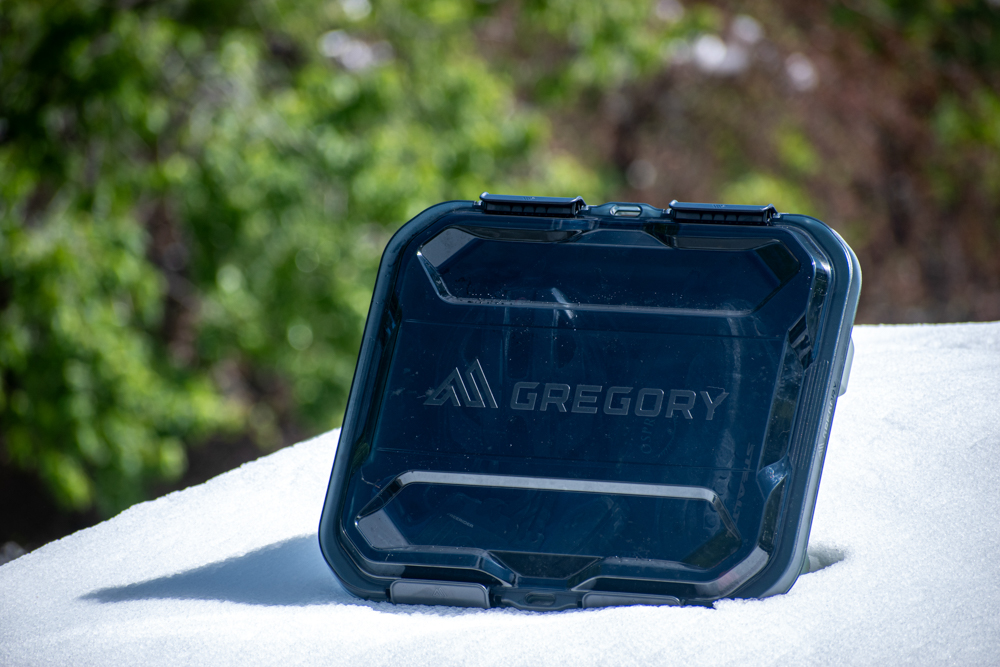
The Alpace Gear Box is one of a variety of products launched by Gregory in the early 2020s as they ventured into the camp organization and gear organization market – including duffels, dividers, kitchenware, and campware.
The Alpaca line is currently Gregory’s only hard-sided solution for gear storage and protection. I reviewed the Alpaca 25 – but it also comes in a 45L version. They have a separate line of “Gear Boxes” (in a 50L size), but they functionally look to be the same type of product, just in a different shape and slightly boxier in design.
And, lastly, the Alpinisto 30L.
The Alpinisto is deeply ingrained into Gregory’s DNA. This pack is the 6th generation of Alpinisto – the first dates back to 1996! I would position the Alpinisto as Gregory’s premier climbing pack. It is highly technical – designed for ice climbing, mountaineering, and alpine climbing. It may be useful to compare it to the Osprey Mutant 38, the Deuter Guide 34, or the Ortovox Peak 45.
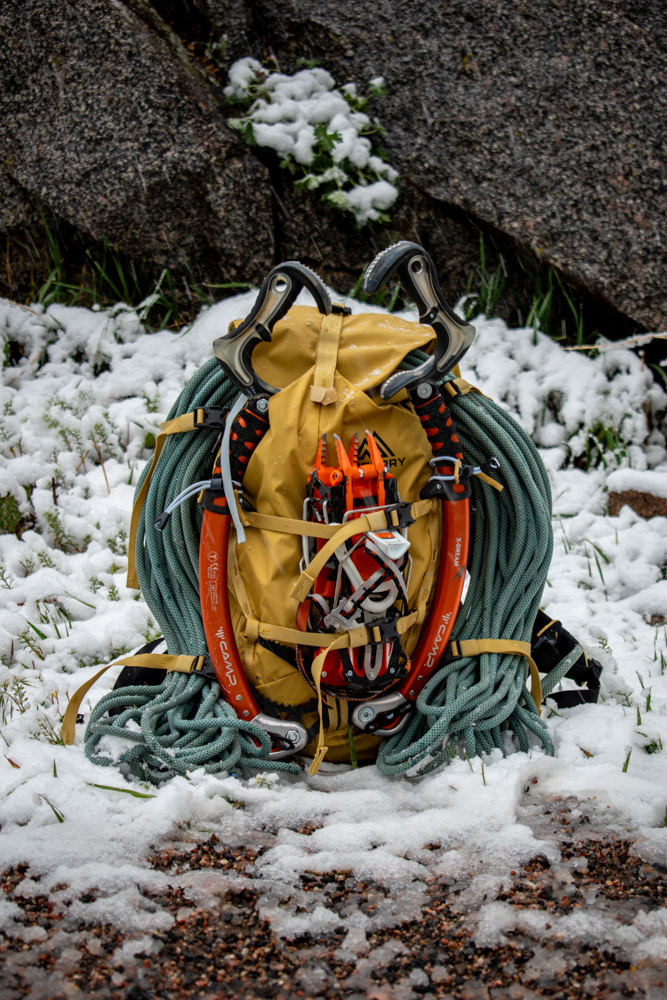
I had the opportunity to test these three items in a variety of spring conditions. I used the Hydro on day hikes and around camp on climbing trips. I thrashed the Alpaca in and out of the car, van, and garage, testing what it can hold and how well it can protect. And, lastly, I used the Alpinisto on ~10 days of climbing, from cragging to ice climbing.
All of these products represent high-tier products from Gregory that are worthwhile additions to your lineup. Let’s dive in.
Performance
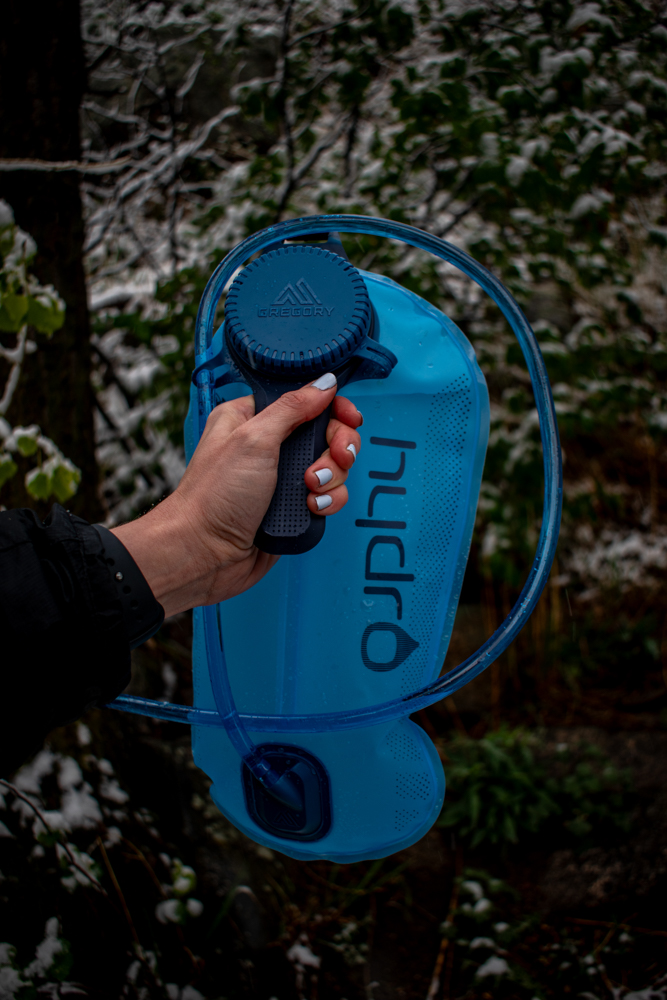
First, the Hydro. Overall, the Hydro performed like essentially every other water bladder that I’ve used recently. It has a 2L capacity, durable twist cap, attached hose with bite valve, and closure valve to prevent it from leaking. That said, the Hydro includes a few interesting features that do set it apart.
First, a classy inclusion, Gregory ships the Hydro with a magnet on the hose and a sister magnet that you can attach to a pack. Secondly, like many bladders, it has a solid “ring” around the neck that makes it easier to grab – but the ring also has a ~5” extension handle that makes it very easy to carry and even easier to fill. Like I would expect from Gregory, all the components are high quality and feel durable.
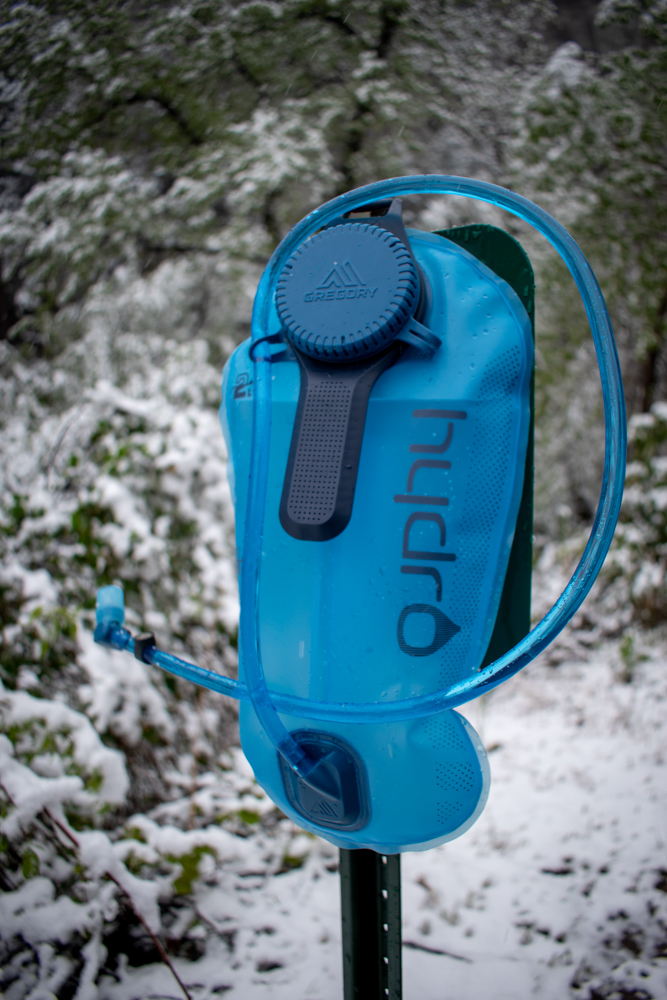
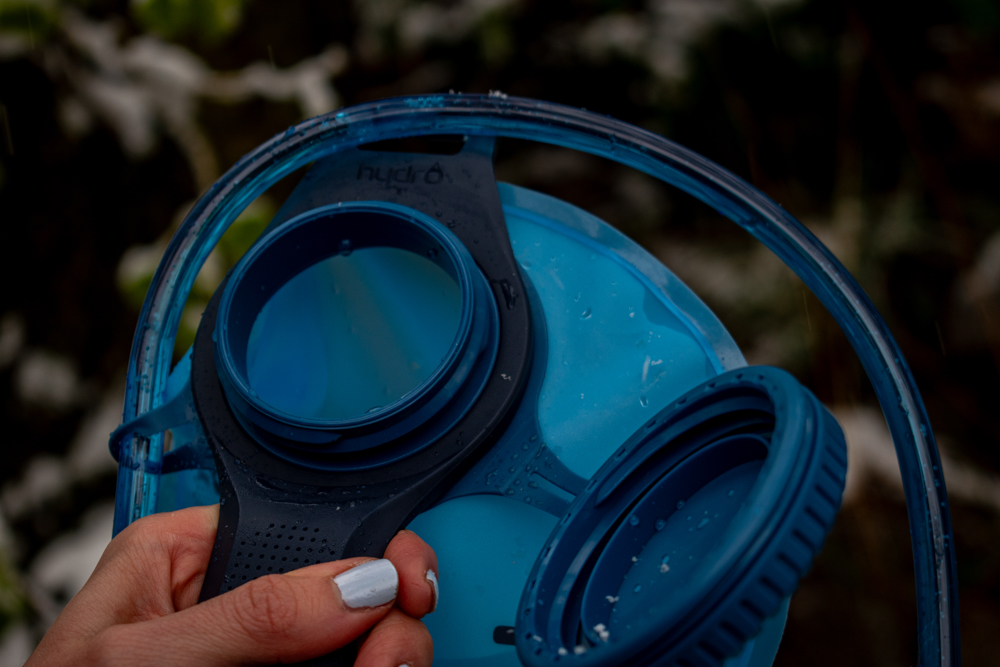
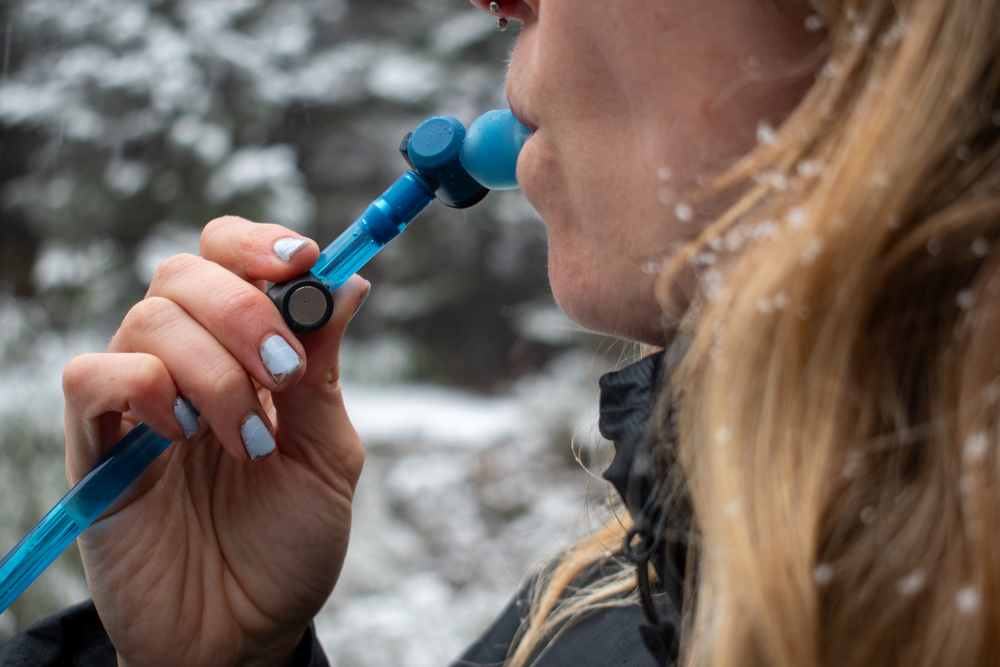
I have used the more expensive tier of Gregory’s bladder – the Hydro 3D – fairly extensively. The only real-world difference is the molded nature of the 3D. It’s less a “sack of water” and more a “molded container” of water. This aids in both moving it in and out of a backpack and in the drying process.
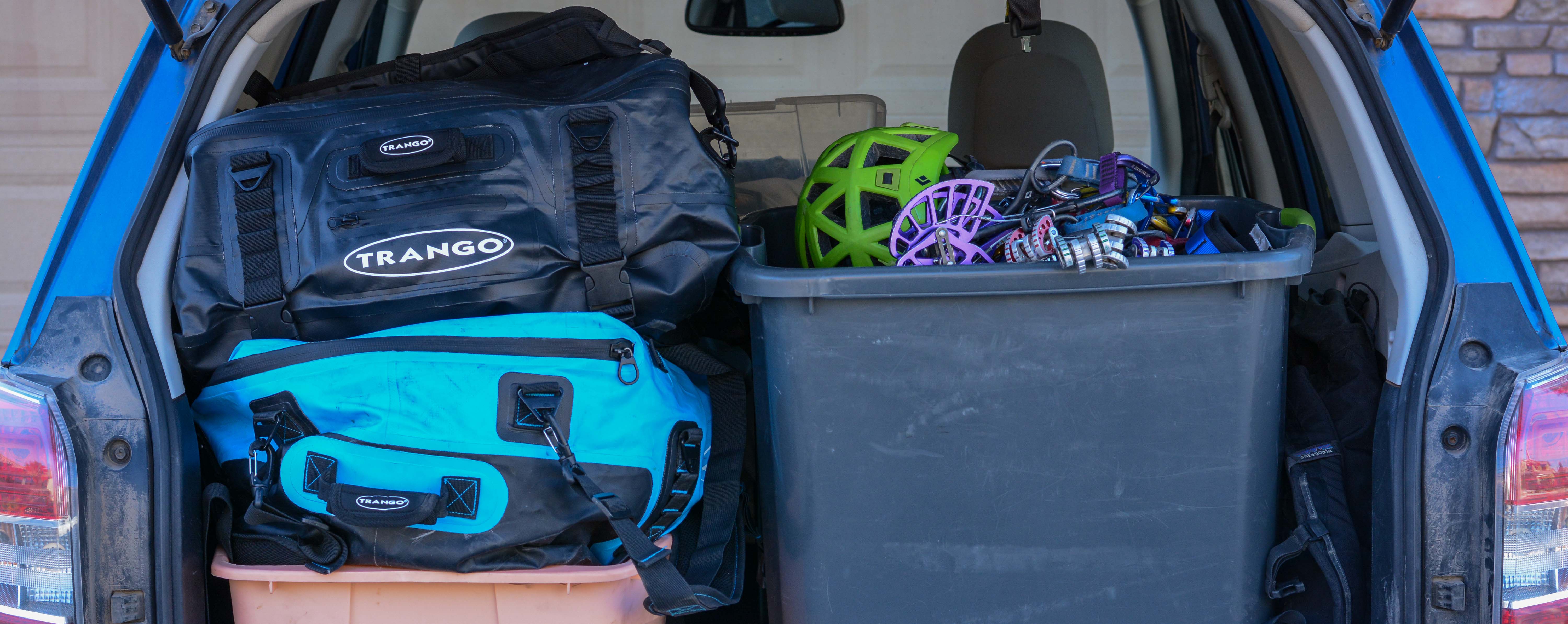
Secondly, the Alpaca. I am a good tester for this because I religiously use bins to pack gear in and out of my Subaru. My partner and I have lived for 6 weeks out of bins in Yosemite rather successfully, so I was excited to try the 25L version.
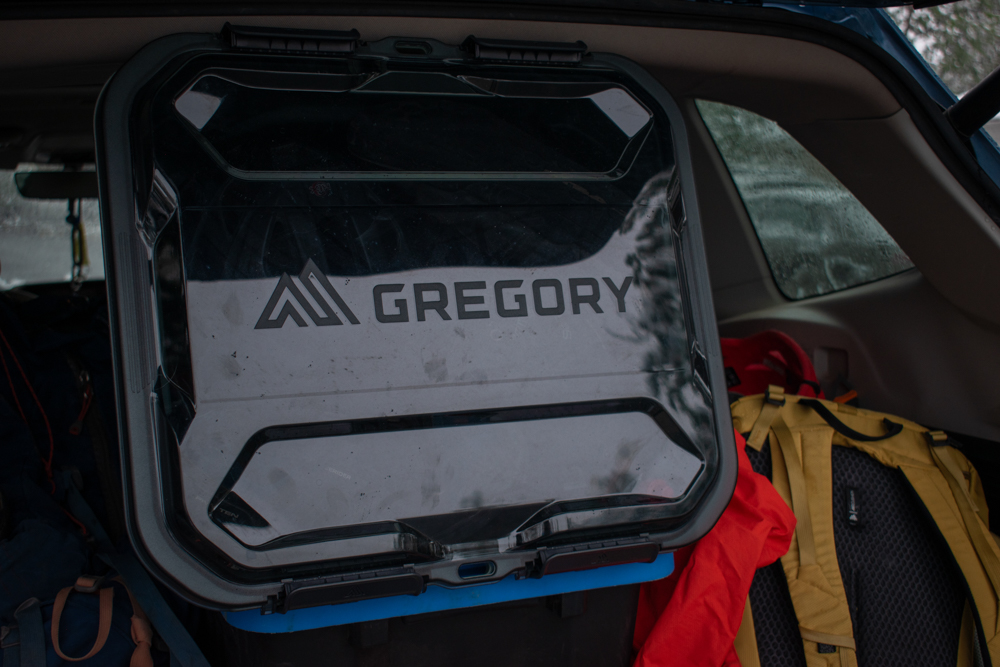
Let’s start with the good. The Alpaca does everything you’d expect, as advertised. First, it’s waterproof. I put a few sheets of newspaper inside the Alpaca and then hosed it down for about a minute – no water ingress. Secondly, it’s somewhat shockproof. I both intentionally dropped items (double rack of cams, duffle, camp stove) on top of it and also unintentionally dropped it several times – it doesn’t look that much worse for wear. That said, I would be nervous about the long-term prospects of the all-plastic buckles. Especially in the cold, I imagine dropping it loaded onto the buckles or dropping a somewhat heavy item onto them could do permanent damage.
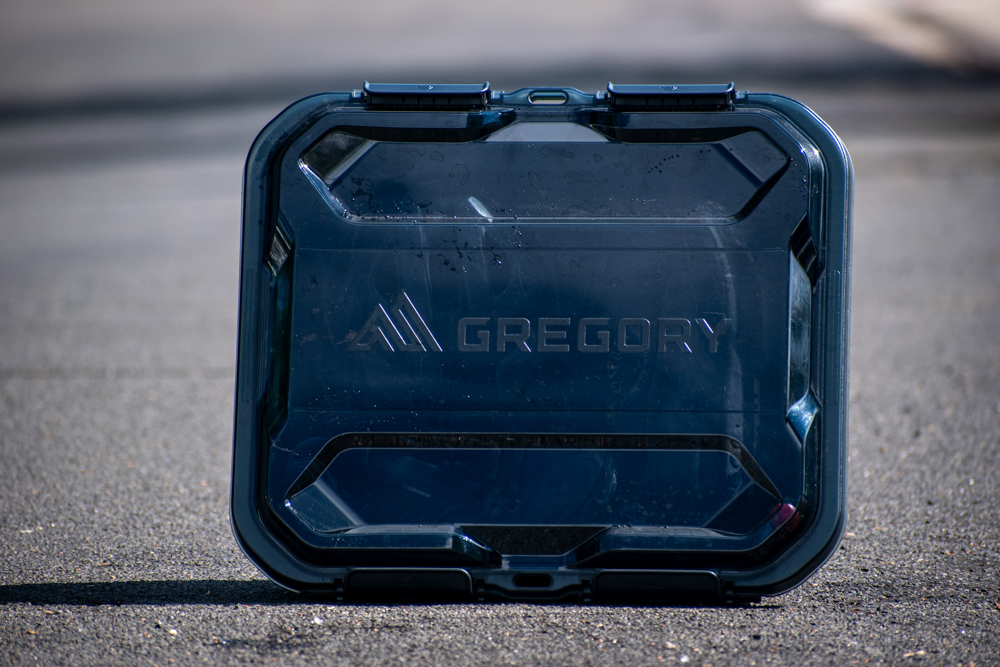
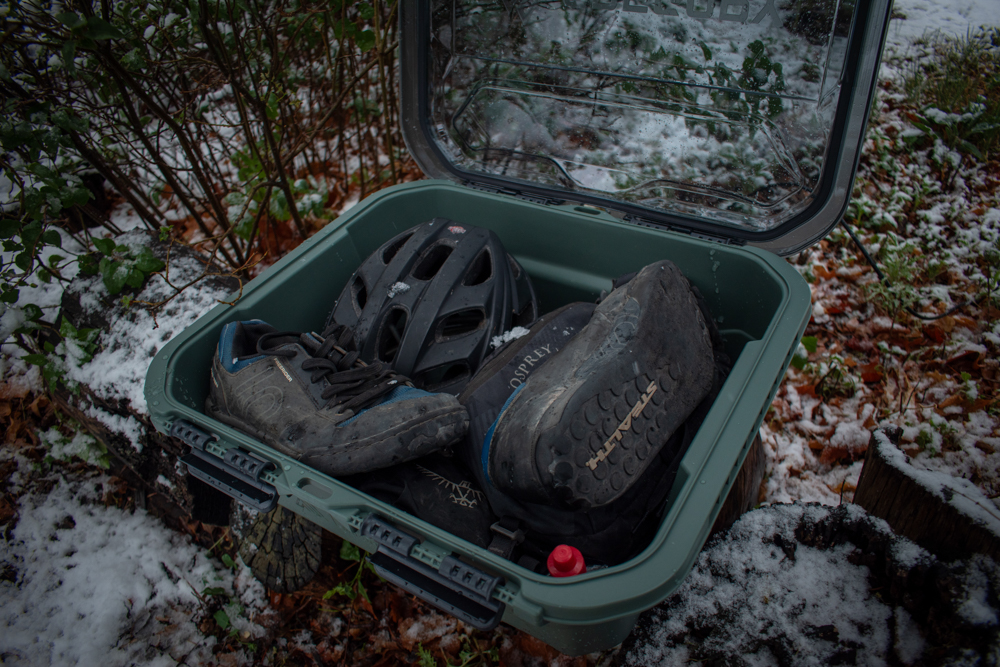
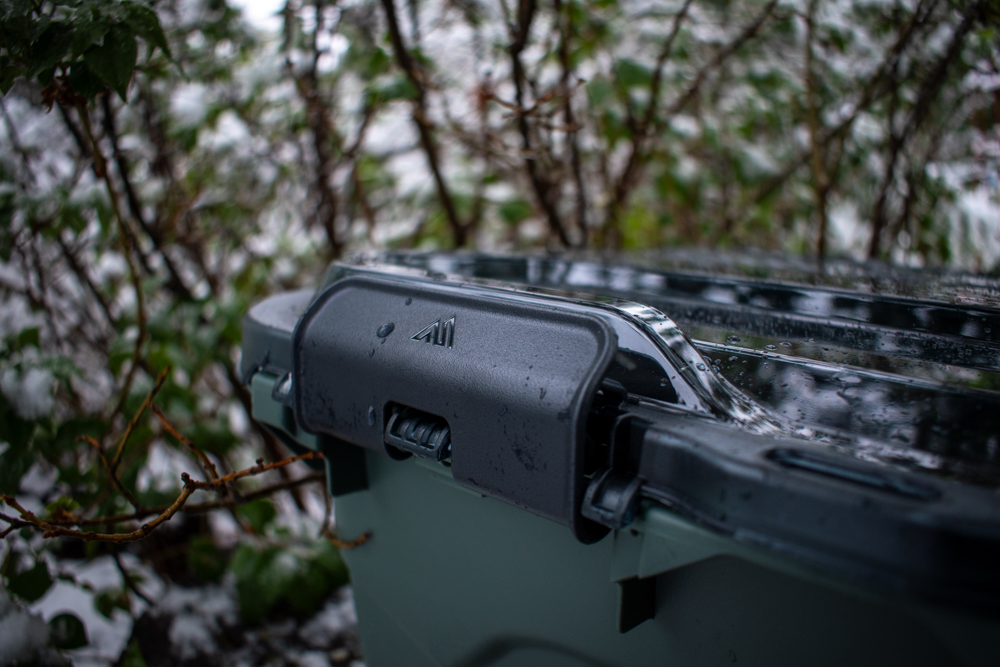
Additionally, it has buckles on both sides and allows for a flip-up or fully removable style of lid. This is particularly nice for simply opening it, rummaging around, and closing it. No need to fully remove the lid!
Now, for the bad. Or, rather, the perplexing. I’m just not entirely sure what exactly to use it for. Here’s what I tried:
- I brought the Alpaca along while biking the Kokopelli trail for four days – it did an awesome job of holding my helmet and riding gear overnight when everyone’s stuff was being tossed in the back of a truck. Really, the only utility was that it was the right size and protected my helmet – everything would likely have been fine in a duffle, and it wouldn’t have required tetris-ing my gear each night.
- On an overnight camping trip, I experimented with putting my camera gear in the Alpaca. I have ~4 lenses, 2 bodies, a tripod, and a variety of small camera equipment. The tripod didn’t fit (of course), and everything that would normally fit in my camera bag did in fact fit in a 25L box. The Alpaca has no padding, so I simply wrapped items in an old sleeping bag. This was not preferred to a camera bag.
- I put part of my cook kit in it during the Kokopelli. 25L is big enough to fit all my flatware, jet boil, fuel, a few pots, and my cleaning supplies. But, I normally keep all these items in a larger bin that includes a two-burner stove, larger cutting boards, larger knives, spices, and other items.
For me, what it comes down to is that the two main benefits of the Alpaca are that it is IP65 waterproof and it has a lid that seals very tightly. But, without investing in specialized foam or inserts (like a Pelican box), it’s not shockproof (nor is it designed to be!), and, thus, can’t be used practically for sensitive items.
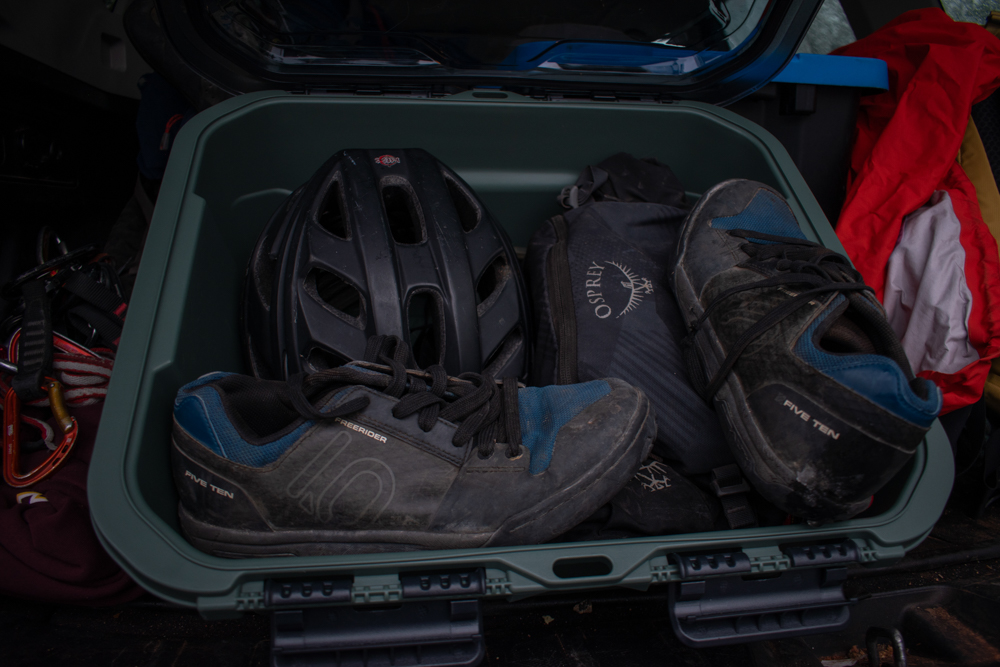
So, while it does absolutely everything as advertised, I just don’t have many items that won’t do fine in a $7 Walmart Sterilite 27-quart plastic bin. For me, justifying the $60 is rather difficult outside of very niche use cases.
Finally, the Alpinisto. There is a ton to say about this feature-packed pack. At 1.04kg, this pack is a full ~25% heavier than my main alpine climbing pack, the Blue Ice Fire Crest 28. This isn’t a perfect comparison (slightly different use cases, slightly different volumes), but they are similar enough for a fair shake.
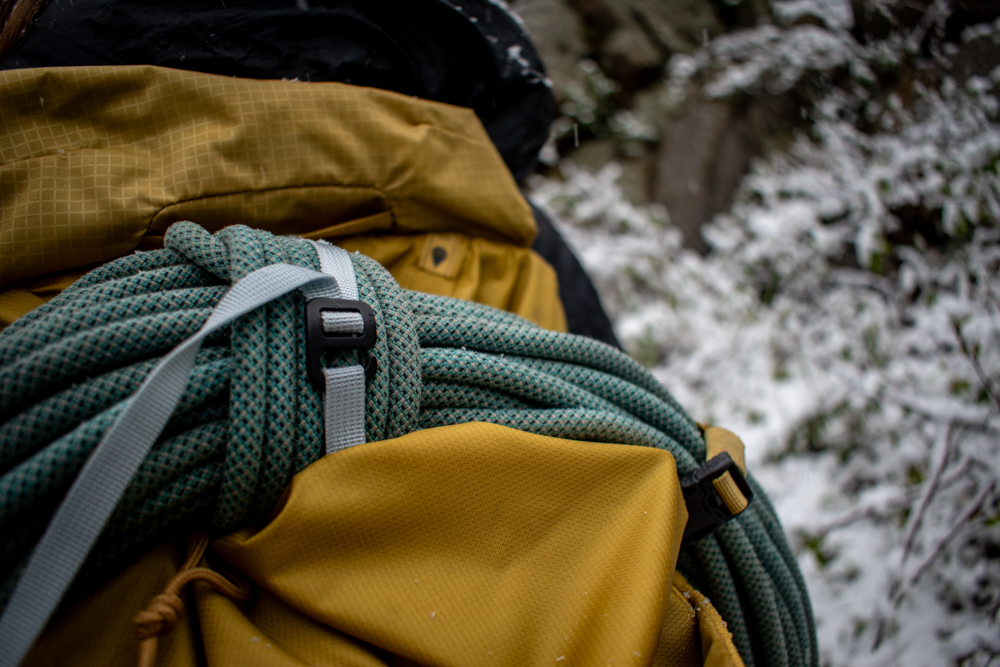
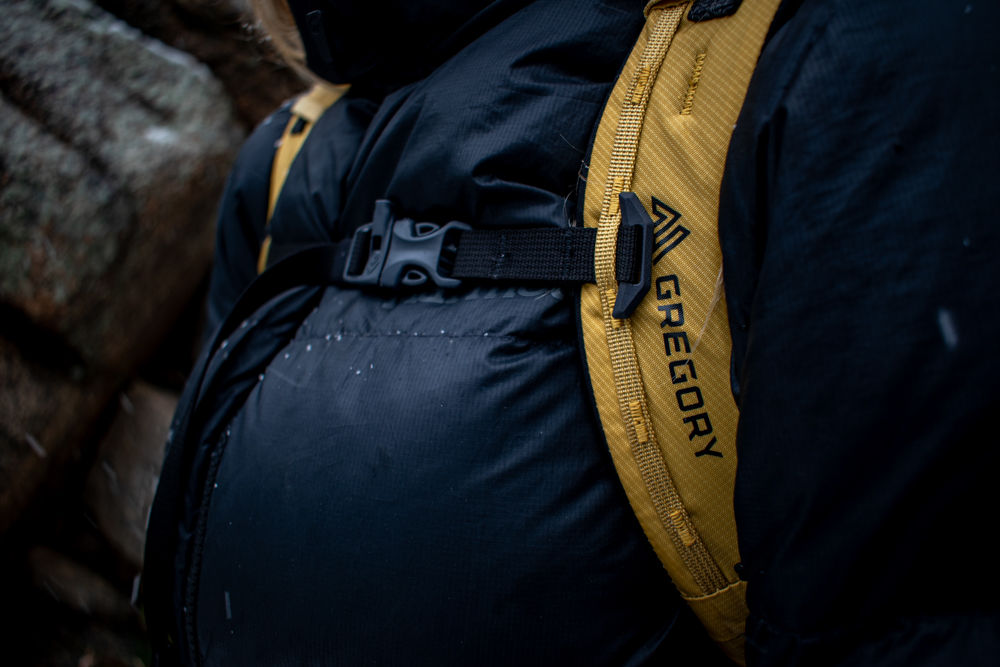
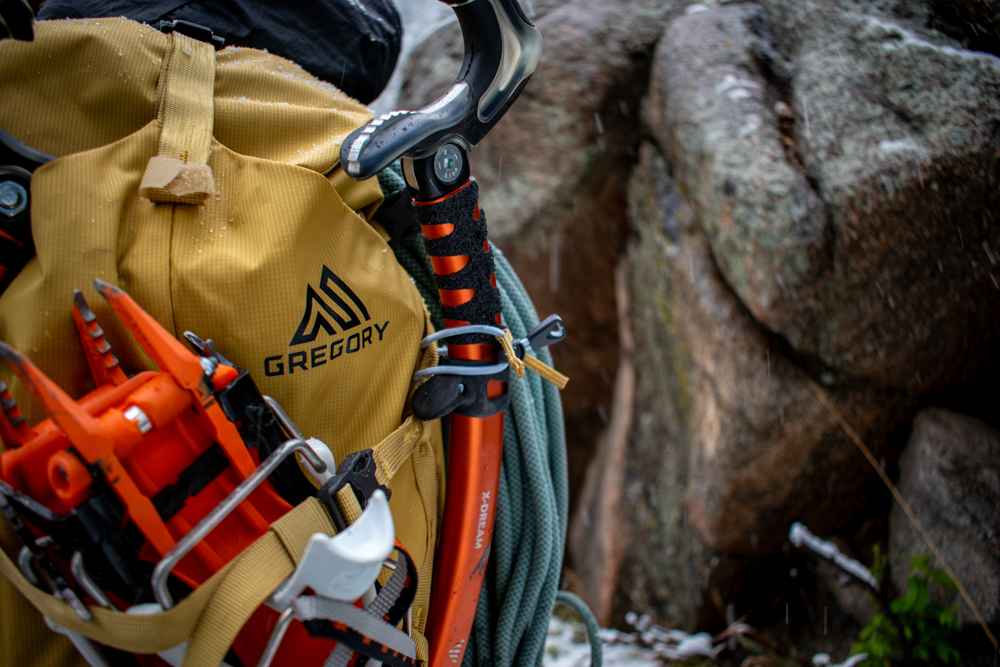
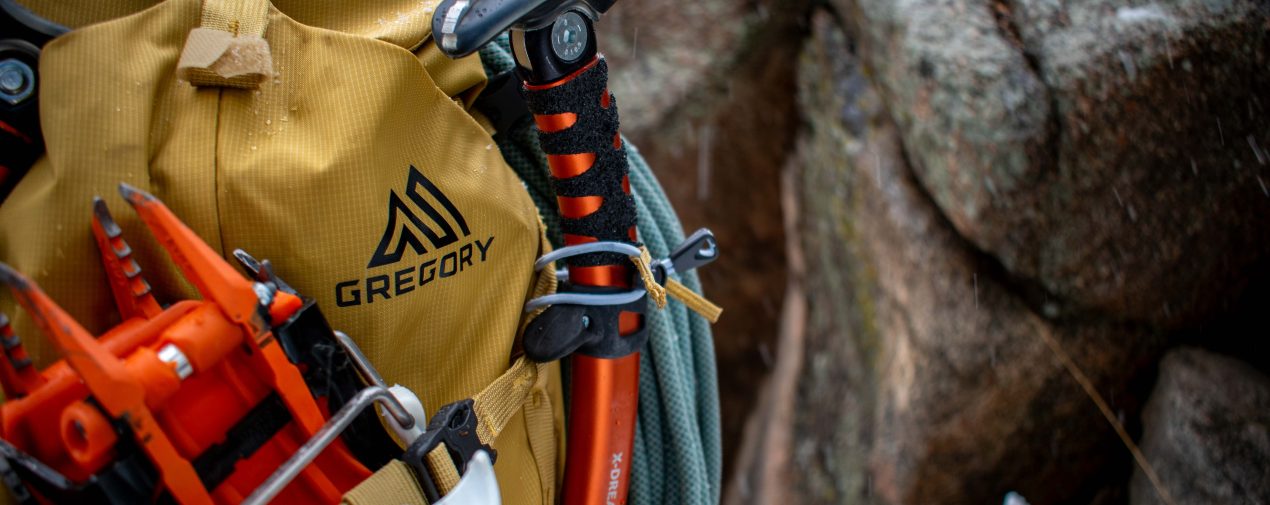
First, the Alpinisto comes with a full feature set you’d expect for every alpine pack: two tool carries with a lashing system on the top, a middling amount of back support to keep the pack light but not feel cumbersome while carrying “heavy” loads, top drawcord closure with a top flap for weather protection, side-access zipper pocket, and essentially every part of the pack can be stripped down and taken out/adjusted depending on your mission.
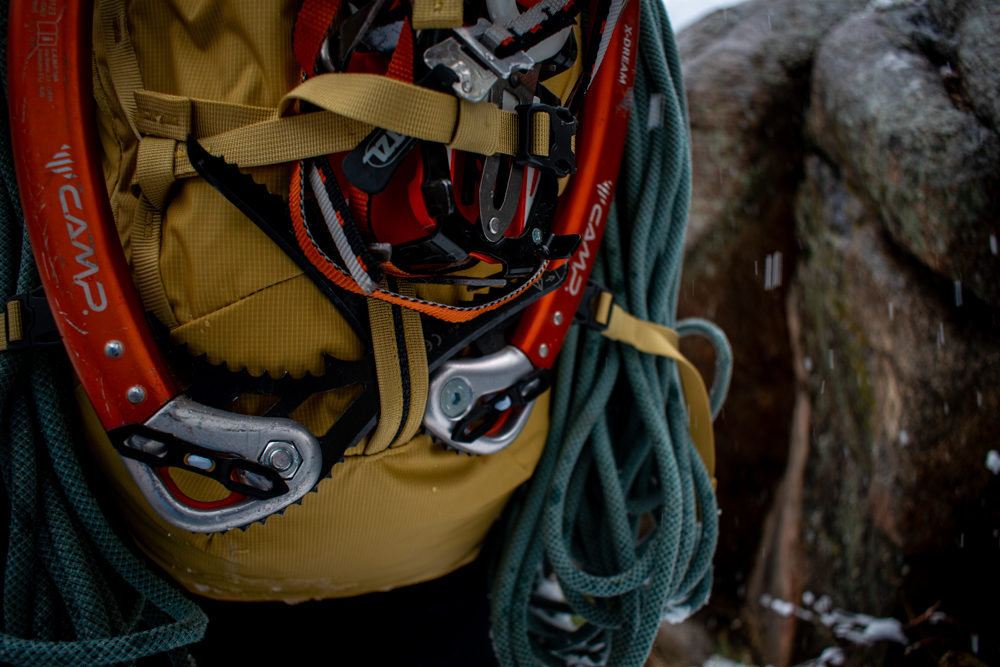
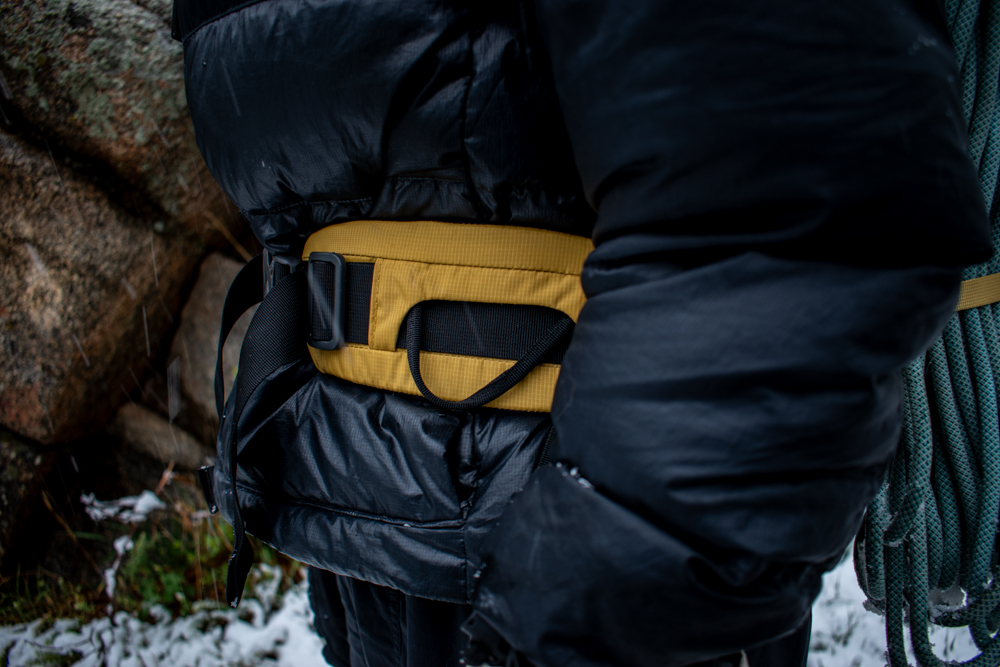
But, where the Alpinisto really shines in the few extra pieces added to it. First, the pack features two straps/buckles on each side for a rope carry. Many modern alpine packs forgo this feature because it helps keep the advertised weight down – but I simply end up adding straps myself. It’s really not too fun to scramble the North Chimney with a half rope flopping around on your back. Secondly, the back of the pack features two sets of modular, adjustable (up/down) straps and buckles. For winter missions with crampons, this is absolutely essential. Third – the included gear loops on the hip belt are fantastic. Gregory has made the hip belt float in front of the pack – thus cutting down weight while maintaining utility. The belt sits high enough above a harness that this functionally provides two more gear loops that I have found quite useful for having a cam or screw attached to. The concept of a hip belt with gear loops isn’t revolutionary – Gregory has just done it well.
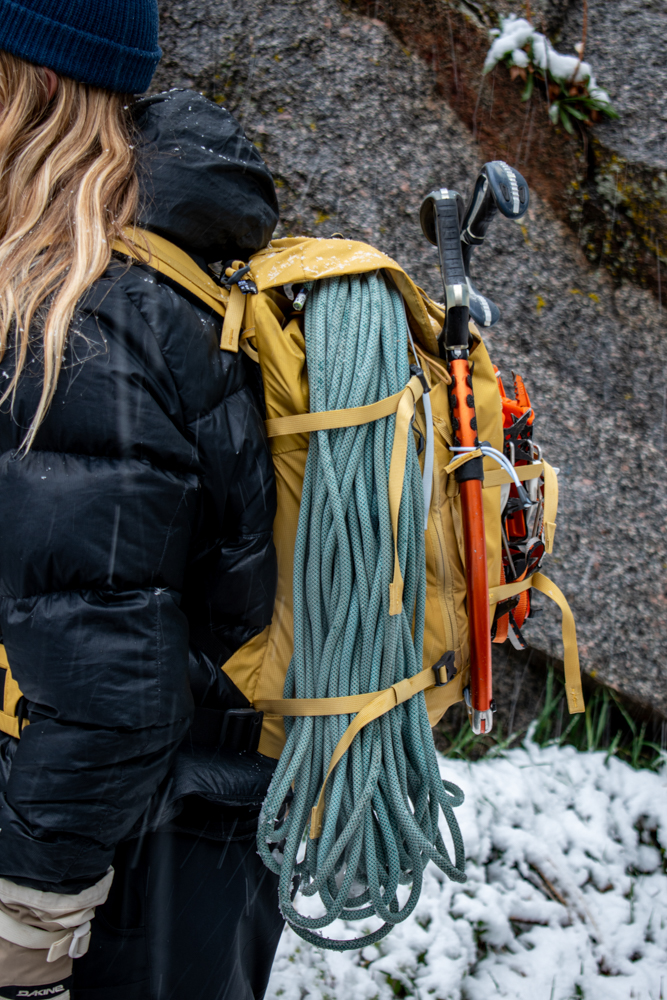
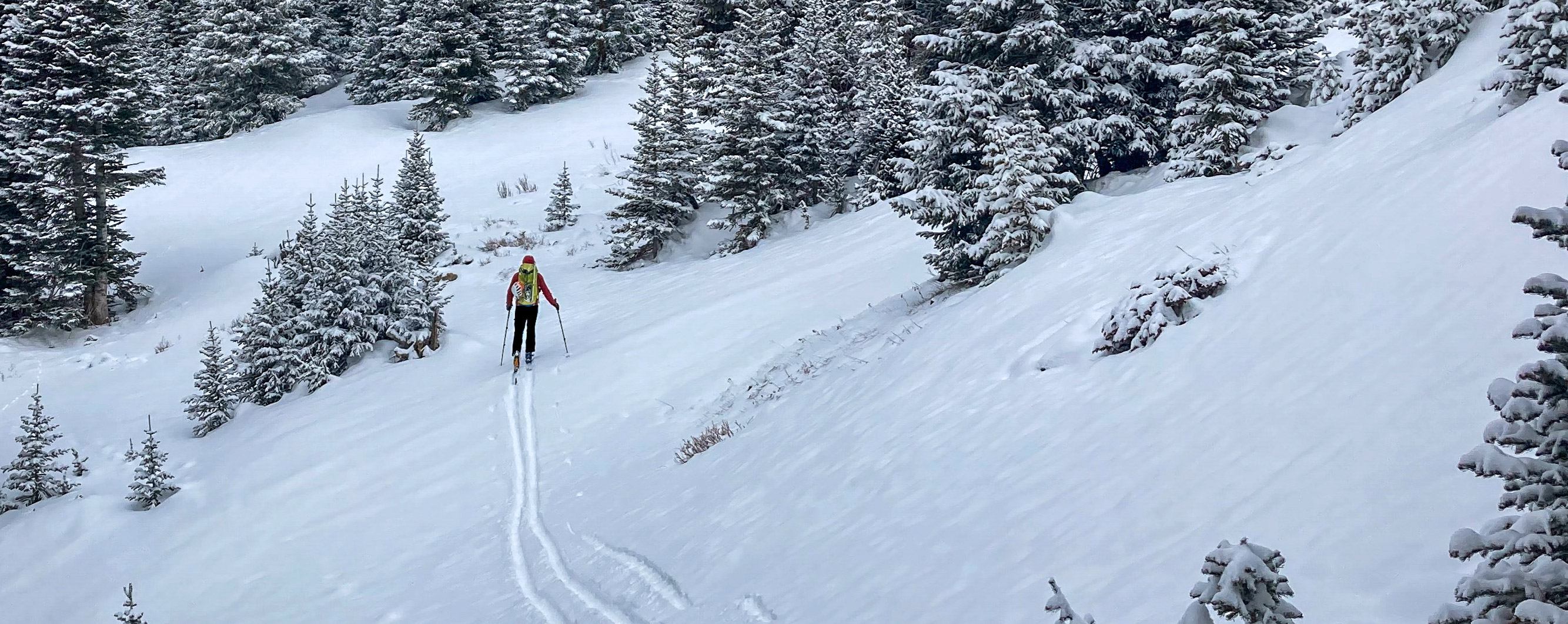
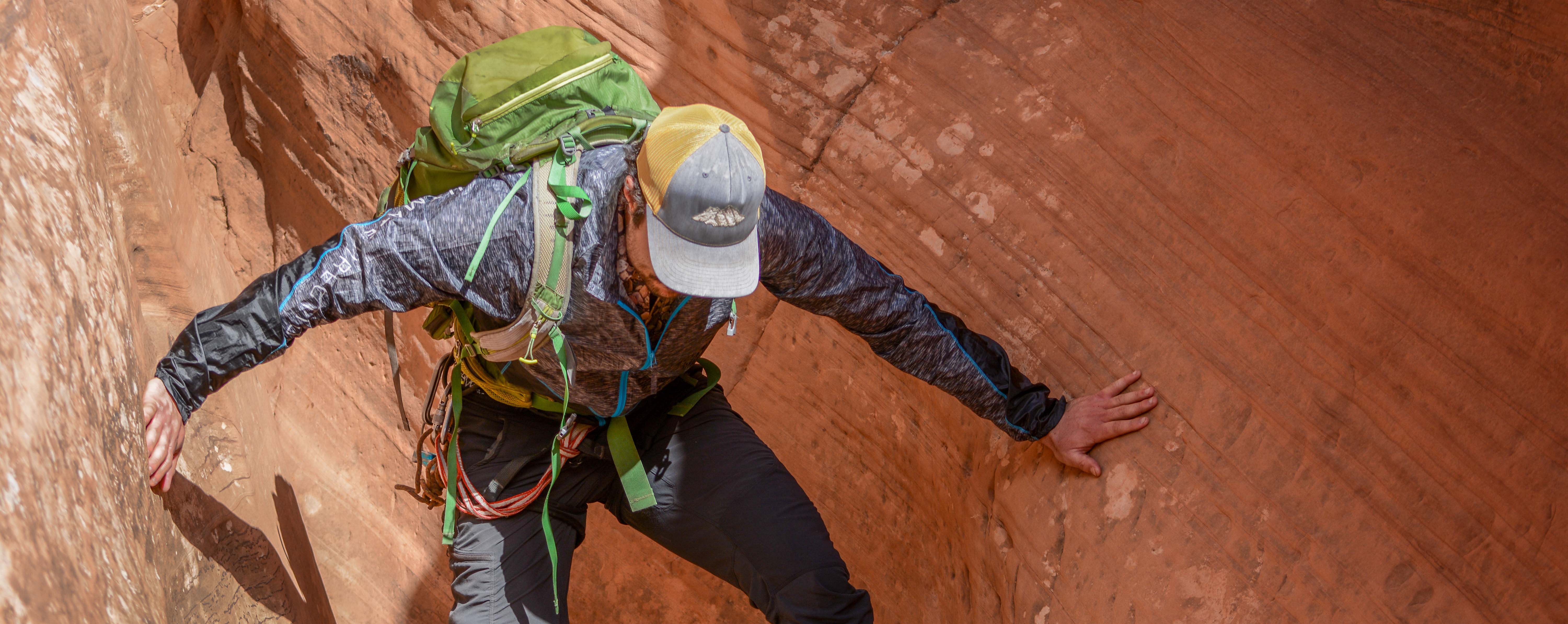
Ultimately, though, I care about how a climbing pack climbs. I would much rather put up with a pack that’s hard to pack, is awkward to hike with, and doesn’t have as many features, as long as it climbs well. And, this pack does just that. I haven’t had the chance to test it out on a truly big summer alpine objective, but it performs very well and does not impede ice climbing.
My only gripe with the pack is the materials. The bottom is made from 210D nylon, but the body is only 100D. This means crampons, tools, nut tools, etc, are all abrading the material, and I worry about the longevity of the back material. But, so far so good!
Look/Style
As far as the Hydro is concerned, it’s a 2L bladder. They always seem to be blue, and they’re always shaped the same.
The Alpaca, on the other hand, is sleek, streamlined, and looks great in the gear closet. I can imagine that over time it will scuff and get scraped – but at the end of the day, the entire point of the Alpaca is to be abused so its contents aren’t!
And, finally, the Alpinisto. It comes in two colors – Summit Black and Alpineglow (pictured in this review). The Alpineglow is a bright yellow and looks very modern. At first glance, the pack appears to have quite a few buckles/straps/zippers – but once the pack is used a few times it becomes clear that those are all very useful features. Overall – it’s a good-looking alpine pack where function still triumphs over form.
Fit/Comfort
For the Hydro and Alpaca, there isn’t much to say. One size fits all!
For the Alpinisto, the fit is everything. I am 5’10”, 170 pounds, with a 19” torso and a 31” waist. I wear the MD/LG and it fits me extremely well. I am right in the middle of the hip belt and the weight of the pack sits on my hips, slightly centered back. The Alpinisto feels essentially the same as every other alpine pack after approaching the Diamond (5 miles, 3000’) with 25 pounds, which is a good thing!
Weight/Packability
The Hydro and Alpaca are exactly as you’d expect – a bladder that fits where 2L bladders go and a gear box exactly the size as listed in the product description (20”x17”x8”). At just under five pounds, the Alpaca adds very little weight for its protective value.
Durability/Construction
The Hydro is a time-tested bladder that can handle the abuse of going in and out of packs. That said, it is still made of thin-walled plastic. While the components (magnets, bite valve, etc) are all durable (and replaceable!), that doesn’t change the fact that bladders are prone to getting holes. Thankfully, Gregory has many resources on how to repair their products.
The Alpaca truly is built like a tank. Because I was testing it, I didn’t really try to baby it. I would toss it in the back of my car, drop it on my workbench, and leave it out around camp. Most of the photos included are after ~5 weeks of use, and it more or less looks the same as when I unboxed it. My only concern about durability is with the latches themselves. They feel robust and have performed well, but they are plastic. I would be concerned about something hitting one of the latches and it snapping off, especially in cold weather.
Lastly, the Alpinisto. I’ve said a lot about the construction already, so I’ll just reiterate my single qualm with the durability: the 100D body fabric. Several other packs that I own are entirely made from 210D nylon – and they have held up for many years. Now, material science is more complicated than simply saying 210D is “2.1x” stronger than 100D (it’s not, the math is probably closer to maybe 1.5x), but 210D is inarguably a stronger material.
That said, I will report back after a year of heavy use!
Friendliness to the Earth
Gregory as a brand seems to take a fairly pragmatic approach to sustainability. They don’t market themselves as an ultra eco-focused company in the same vein as Patagonia, but many of their products are clearly designed around longevity and long-term use rather than disposability.
The Hydro is probably the weakest performer of the three here simply because hydration bladders are, at the end of the day, still thin-walled plastic products that eventually wear out. That said, Gregory does offer replacement parts and repair information, which certainly helps extend the usable life of the product.
The Alpaca and Alpinisto score much higher in my eyes. Both products feel like items that could realistically stay in use for many years. The Alpaca especially feels overbuilt in a good way – the sort of thing that will bounce around in garages, truck beds, vans, and campsites for a decade without much issue. Likewise, the Alpinisto is clearly designed for long-term abuse rather than planned replacement.
Ultimately, I tend to view durability as one of the most important aspects of sustainability in outdoor gear. A product that survives ten years of hard use is probably far better for the environment than something lighter, cheaper, or trendier that ends up in a landfill after two seasons.
The Final Word
Gregory is a solid brand that generally produces solid outdoor gear. The Hydro is as good as any 2L bladder on the market – upgrade to the 3D if you use it a lot. The Alpaca may struggle to find a use case for many people, but if you’ve got one, the Alpaca is awesome. The Alpinisto is a first-class alpine pack. Take it on the Diamond or the Fang, and you won’t hate your hips on the approach.
Shop Gregory on Outdoor Prolink. Not a member? Apply today!
See other Gregory Reviews.
About the Gear Tester
Patrick O’Hare
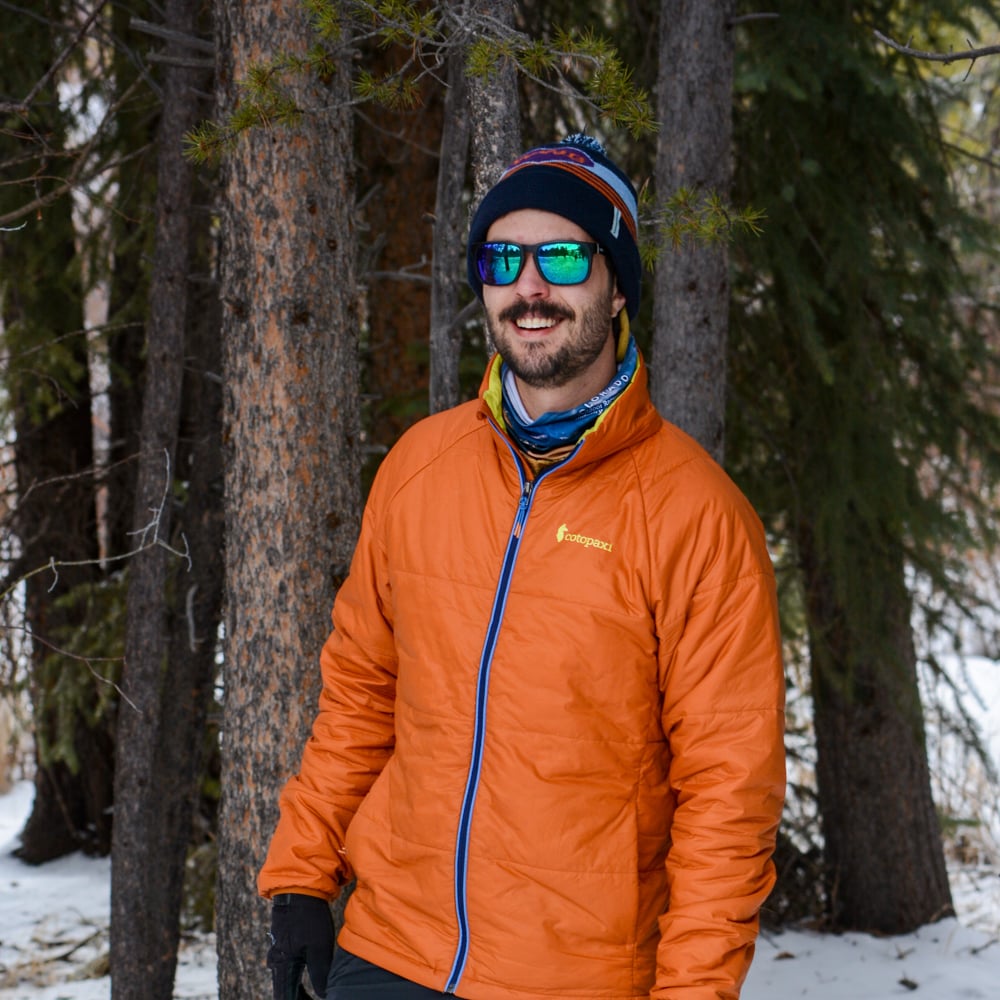
Patrick O’Hare is a Senior Climbing Guide at Front Range Climbing Company. He has been working in outdoor education for eight years and loves helping individuals progress in their climbing careers. You can keep up with his climbing and photography @pjophoto.
- Patrick O’Hare
- Patrick O’Hare
- Patrick O’Hare
- Patrick O’Hare
- Patrick O’Hare
- Patrick O’Hare
- Patrick O’Hare
- Patrick O’Hare
- Patrick O’Hare
- Patrick O’Hare
- Patrick O’Hare
- Patrick O’Hare
- Patrick O’Hare
- Patrick O’Hare