Desert Lessons: What we can learn from the changing Moab landscape
The first time I walked along the Millcreek trail in Moab there was a short bench of rock that ended abruptly as the clear water from the creek flowed past. The water was deep and the channel narrow.
It looks like a swim up bar.
I’ll have to come back in the summer when it’s warmer.
I pictured myself swimming through the cold creek, a picnic basket on the warm bench of red sandstone. The dappled shade of a cottonwood providing a much needed respite from the scorching summer sun.
That summer it flooded. A 100-year flood is what they called it, and the next summer we had another one. Two 100-year floods in two years.
The landscape changed.
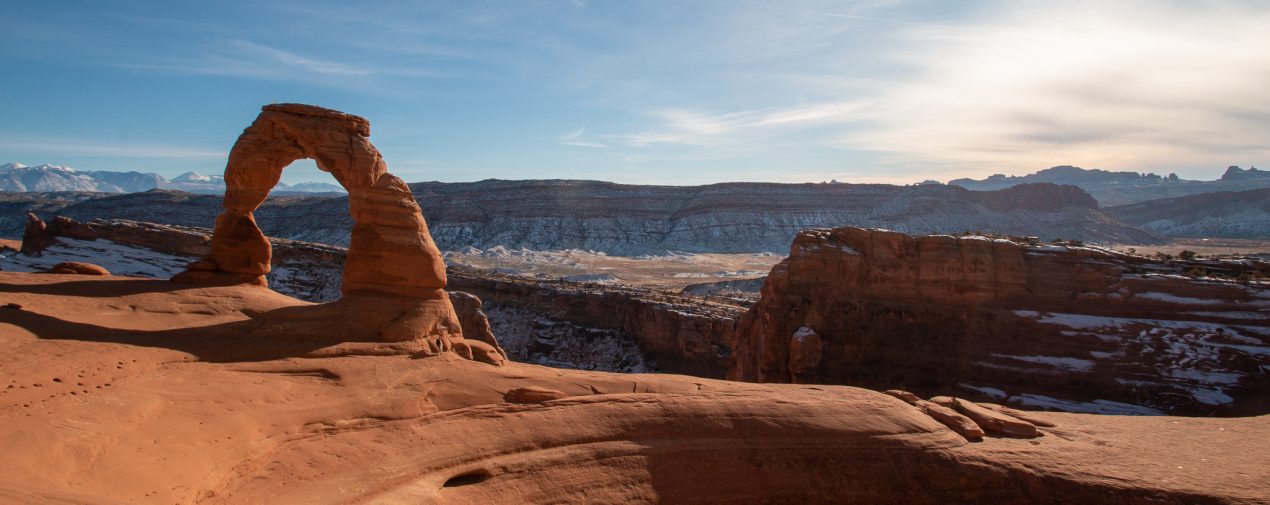
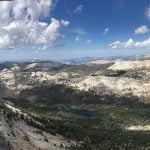
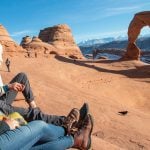
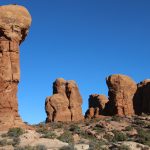
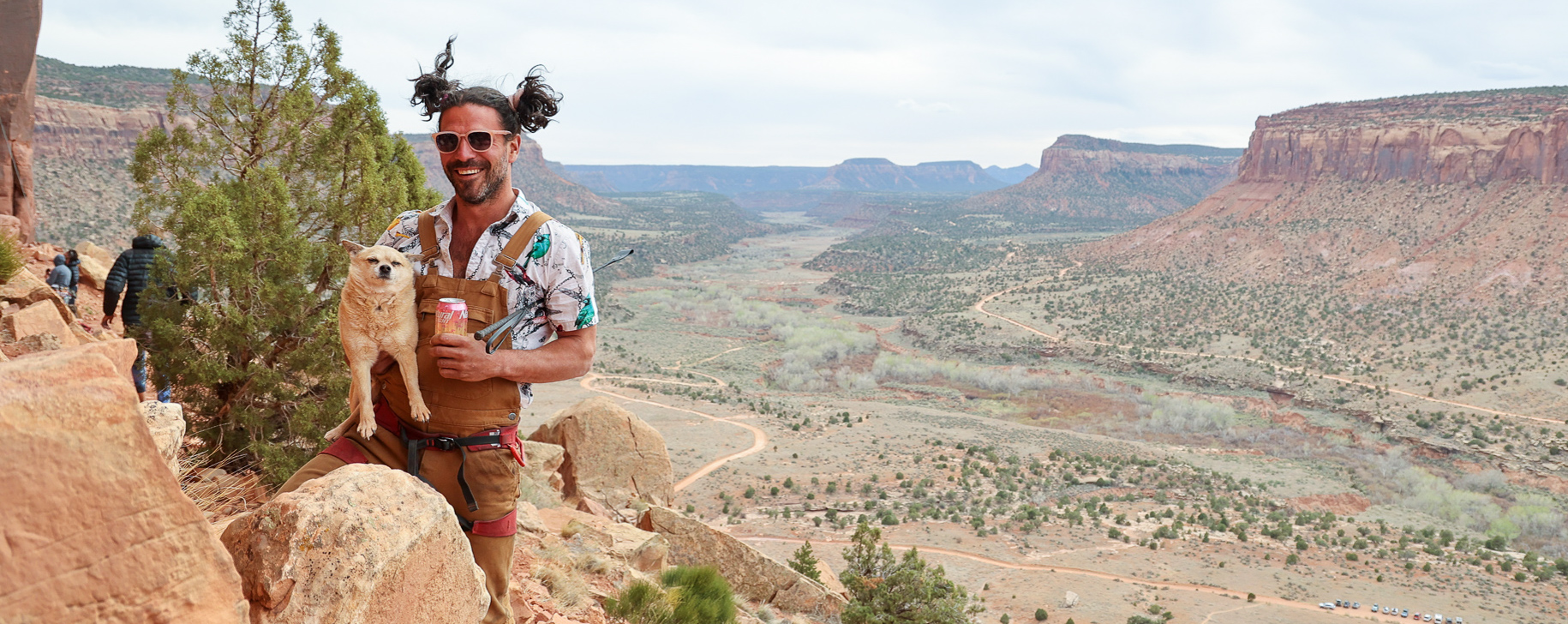
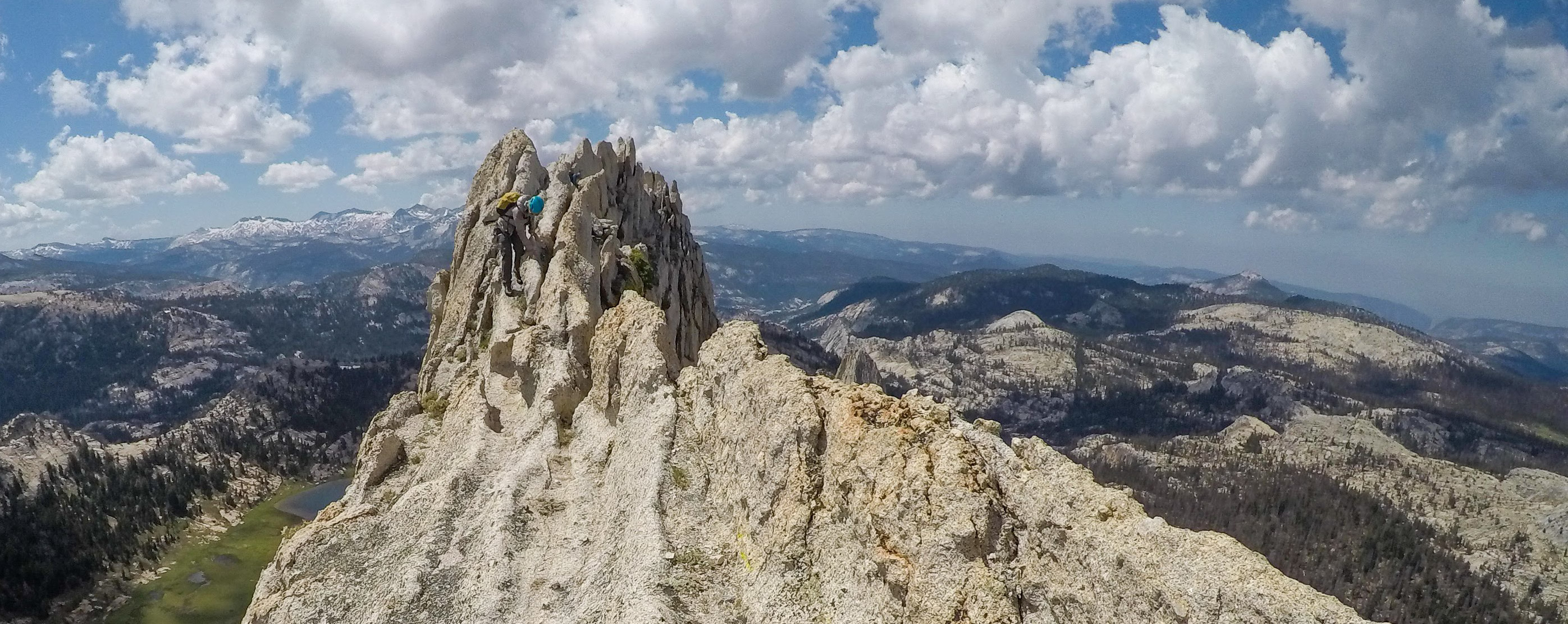
The landscape in Moab is arresting. Any person who passes through here and does not at least once stop in their tracks, mouth agape, eyes wide, at some new geographic marvel, is missing a deep and profound sense of scale. One cannot help but stare in awe at what thousands of years of erosion has achieved.
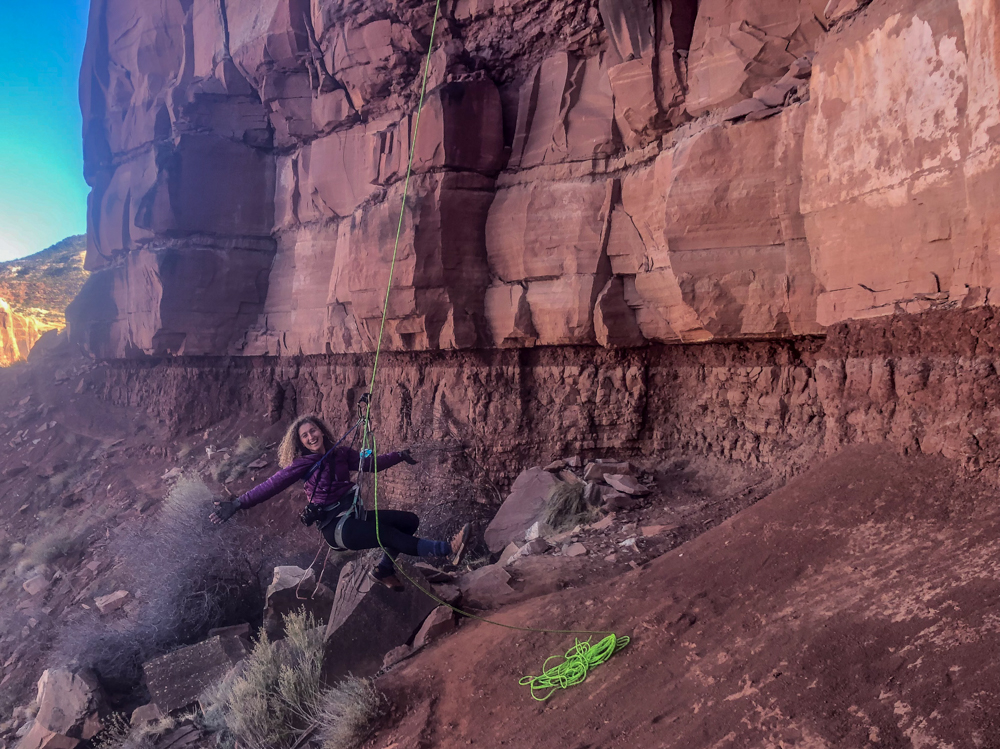
I’ve lived here for almost 10 years, and the landscape continues to shatter me. I always told myself I would leave the day I took the view for granted, and I’m not gone yet.
The landscape in Moab is moody.
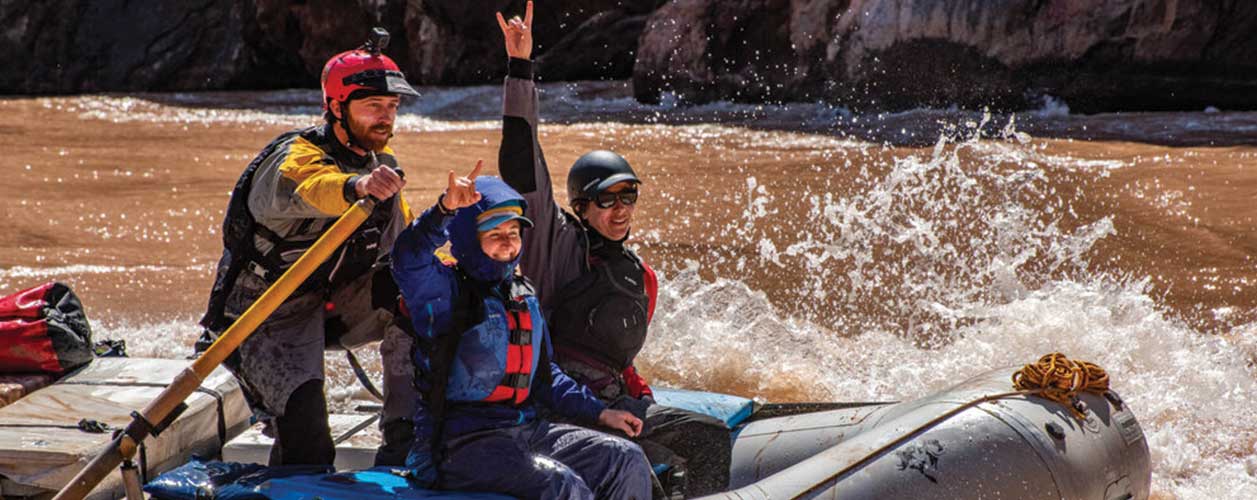
When it rains the rivers run red and thick for days after the rain has stopped. When it’s sunny the rivers are clear and green. During the rainstorms trees drop their branches, boulders crack and tumble down hillsides, the grumpy landscape rearranges itself. It’s as if a disgruntled cat had been sitting in one spot too long, only to get up, spin around, and settle back down a few inches to one side. The Moab landscape needs to shift and change before getting comfortable again.
Sometimes you will wake up to crackling lightning, dark black clouds, hail and rain coming at you sideways, only to see a cheerful sun peak its head past fluffy white clouds a few hours later.
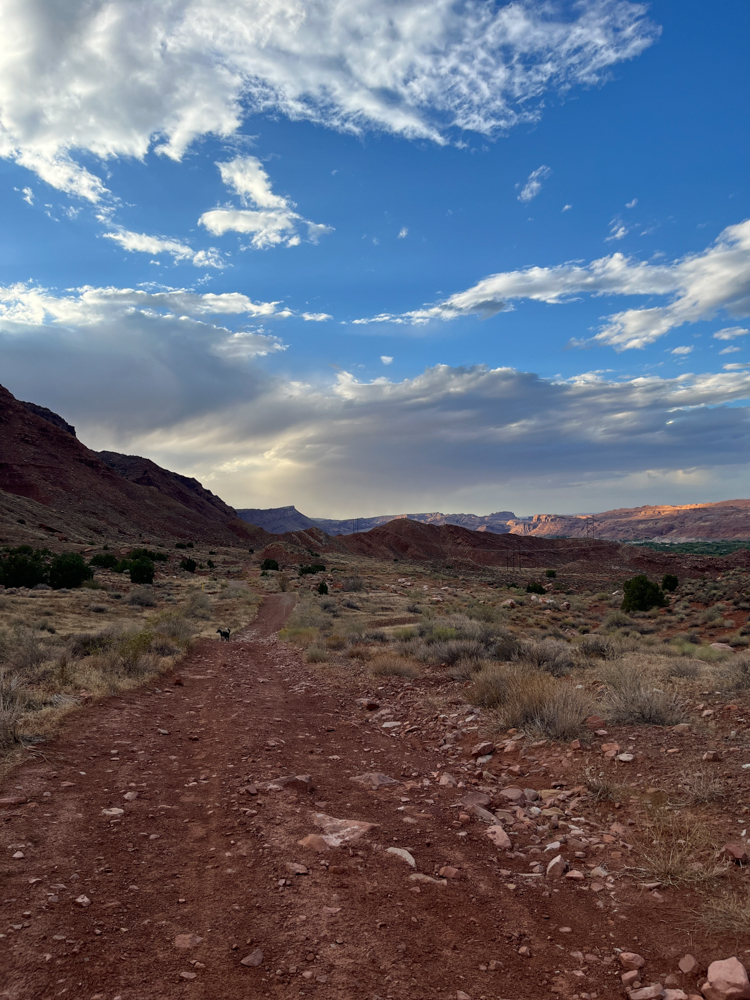
The landscape in Moab changes quickly, and frequently. The swim up bar is gone. The first 100-year flood pulled a million pounds of silt and soil away from the riverbanks and washed it down the Colorado River.
I walk past the same spot often, wishing for a time I can never go back to. I yearn for a hot summer day, the cool swim up bar, that imaginary picnic basket on the red sandstone bench.
The water is too shallow to swim in now, and the river too wide.
****
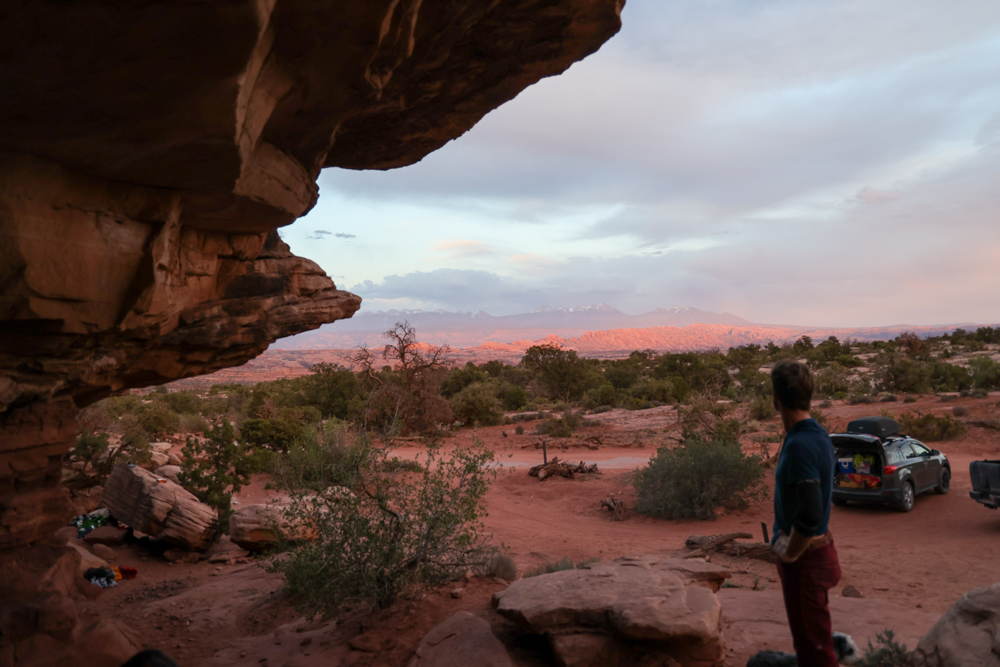
When I hike through the Moab canyons, up steep plateaus, and even through the scenic La Sal Mountain Range, I do not allow myself to count on its continued existence.
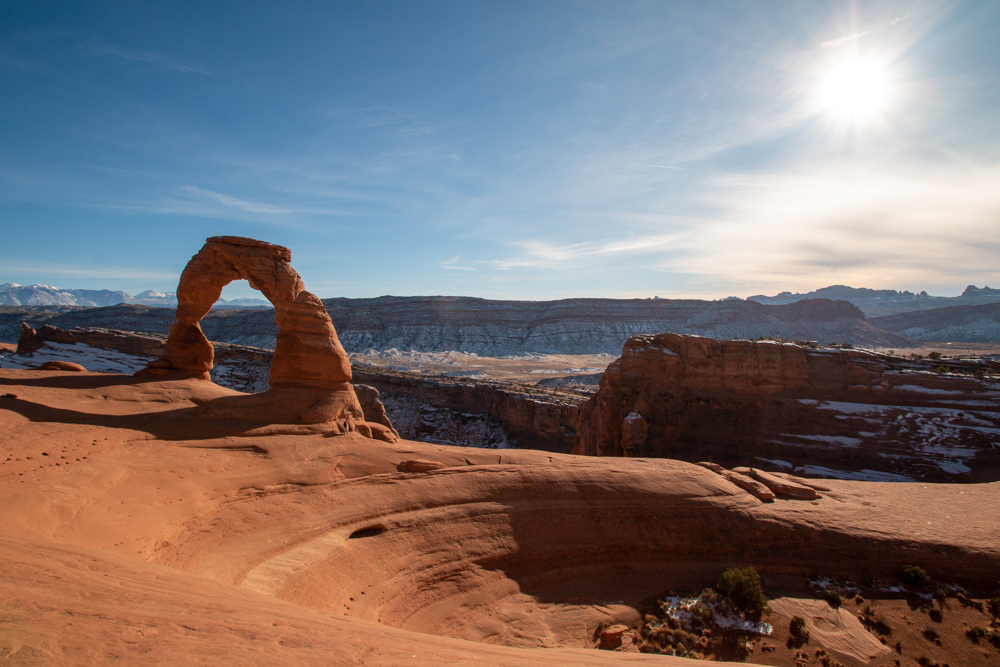
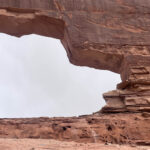
The delicate sandstone arches will crumble, sooner than I might think. The snowy peaks will dry up, and the lush river beds might not always have that shady bend to relax in on my morning walk.
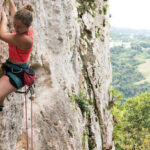
Rock climbs fall down and are re-climbed for the first time, mountain bike trails get washed away and rebuilt, and I too, will change.
Since that short bench of rock was washed away my heart has broken and mended a few times. I have a semi-permanent crick in my neck that makes it hard to wear backpacks on long hikes, and my knee clicks and pops when I step on it wrong. These are all little reminders that I too, am changing, and will continue to change.
I don’t take my morning walks for granted, my strong legs take me through the rocky terrain easily. I make sure to go the extra 500 yards to the lookout every time, I won’t always be able to push that far.
The Moab landscape teaches impermanence. Like us, this desert changes all the time. Trees are uprooted, our relationships end. Rivers carve new grooves in the sand, our skin crinkles and sags. Cliffbands crack and flake away, we sustain injuries that change us.
We are impermanent. So is this place.
Take care of yourself as best you can. Take care of this place as best you can.
It, like us, is fragile and prone to breaking.
And most importantly, don’t forget to enjoy the swim up bars in life when they present themselves.
About the Gear Tester

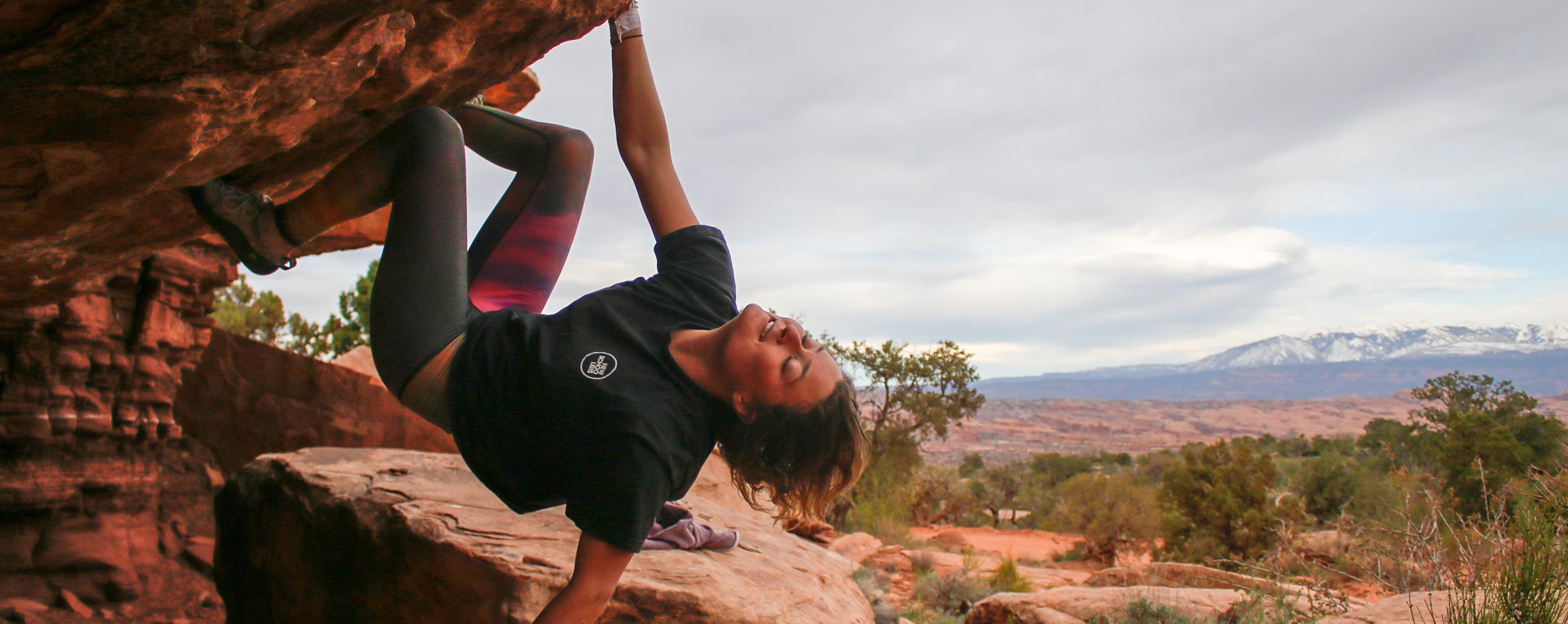
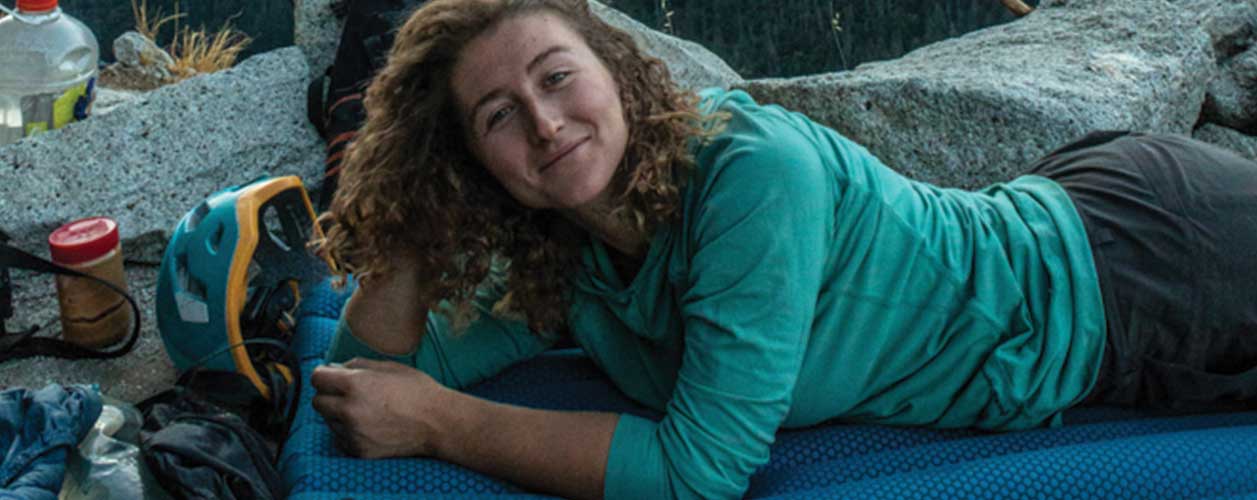
Kaya Lindsay is a writer, photographer, and filmmaker with a passion for rock climbing and the outdoors.
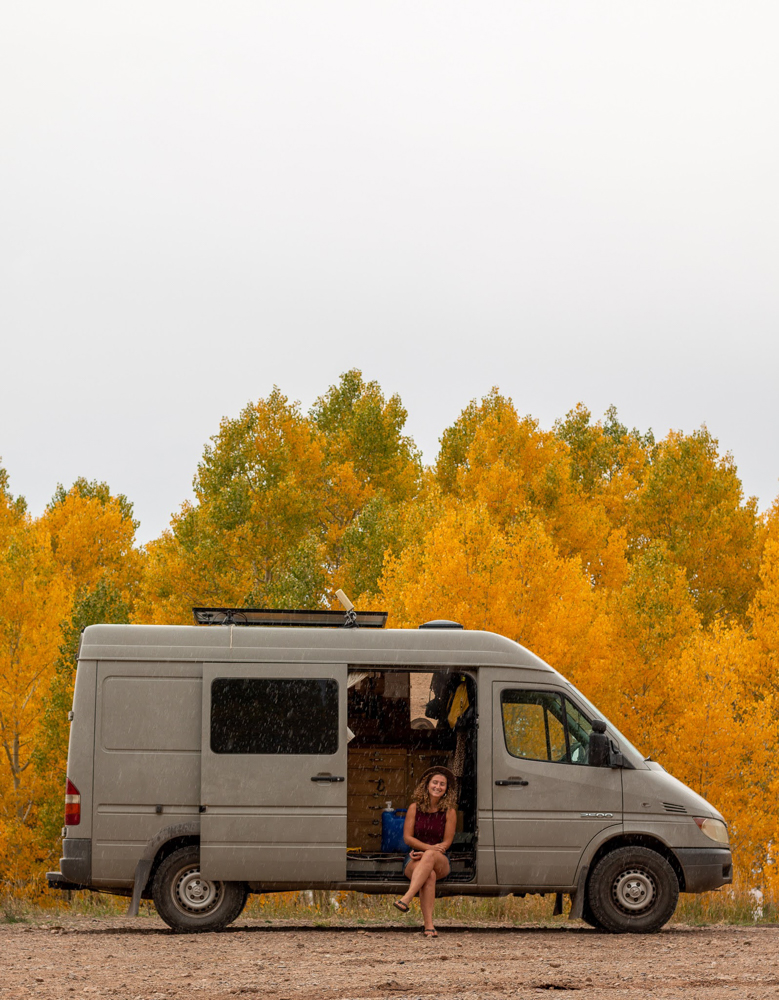
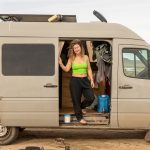
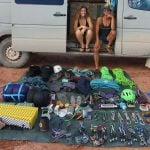
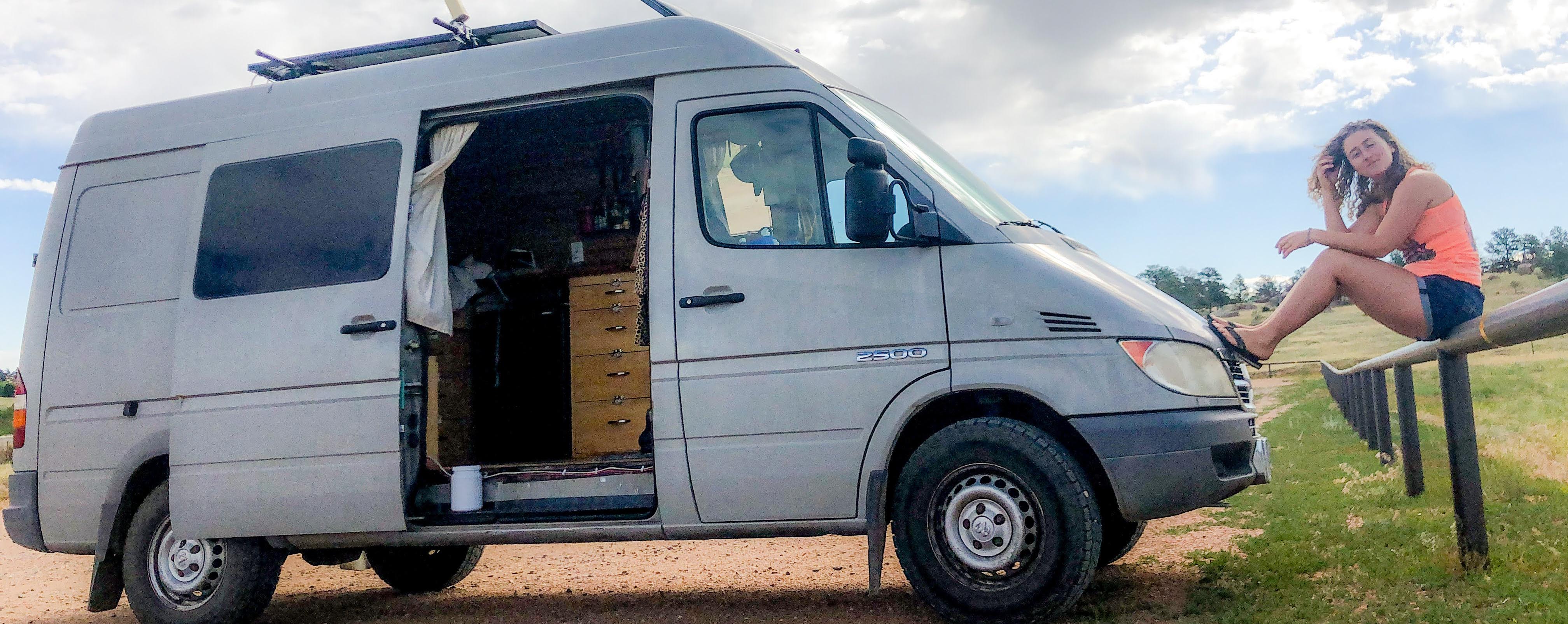
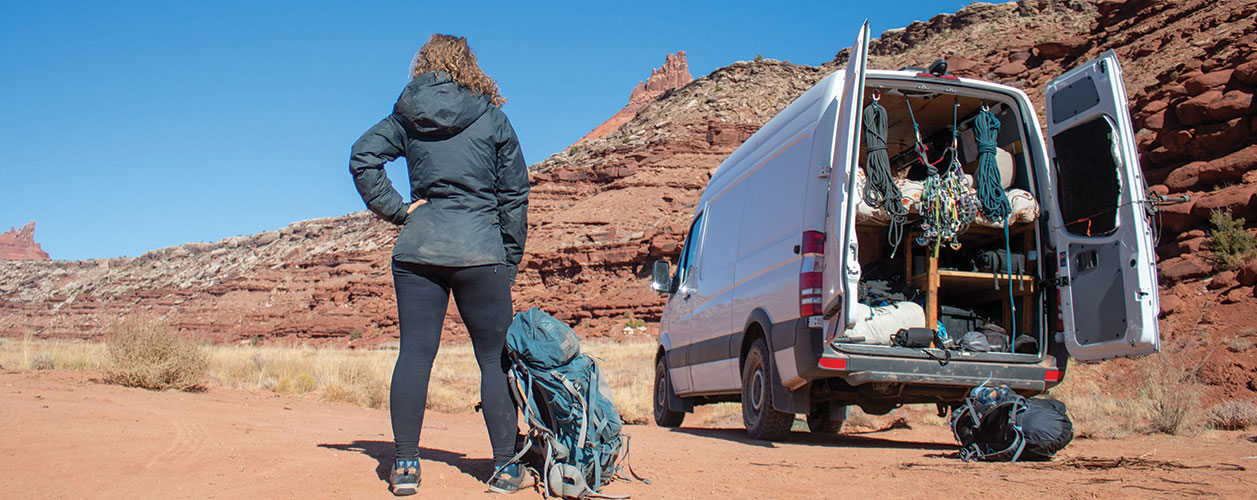
In 2016 she converted a Sprinter Van into a tiny home and has been traveling around the US & Canada to pursue her passion for rock climbing. Since hitting the road she has begun a career in filmmaking and is currently working on her One Chick Travels series, highlighting solo female travelers who live and work to pursue an adventurous lifestyle. Her films have been highlighted by major brands such as Backcountry and Outside TV. To fulfill her passion for writing, she chronicles her many adventures in her blog. Professionally, she writes for the adventure sports company Outdoor Prolink and The Climbing Zine. Kaya hopes to spend many more years in her tiny home on wheels, Lyra, and is currently living in Moab Utah.
- Kaya Lindsay
- Kaya Lindsay
- Kaya Lindsay
- Kaya Lindsay
- Kaya Lindsay
- Kaya Lindsay
- Kaya Lindsay
- Kaya Lindsay

- Kaya Lindsay
- Kaya Lindsay

- Kaya Lindsay
- Kaya Lindsay
- Kaya Lindsay
- Kaya Lindsay
- Kaya Lindsay
- Kaya Lindsay

- Kaya Lindsay
- Kaya Lindsay
- Kaya Lindsay
- Kaya Lindsay
- Kaya Lindsay
- Kaya Lindsay
- Kaya Lindsay
- Kaya Lindsay
- Kaya Lindsay
- Kaya Lindsay
- Kaya Lindsay
- Kaya Lindsay
- Kaya Lindsay
- Kaya Lindsay
- Kaya Lindsay
- Kaya Lindsay
- Kaya Lindsay
- Kaya Lindsay
- Kaya Lindsay
- Kaya Lindsay

- Kaya Lindsay
- Kaya Lindsay
- Kaya Lindsay

- Kaya Lindsay
- Kaya Lindsay
- Kaya Lindsay
- Kaya Lindsay
- Kaya Lindsay
- Kaya Lindsay
- Kaya Lindsay
- Kaya Lindsay
- Kaya Lindsay

- Kaya Lindsay
- Kaya Lindsay
- Kaya Lindsay
- Kaya Lindsay
- Kaya Lindsay
- Kaya Lindsay
- Kaya Lindsay
- Kaya Lindsay
- Kaya Lindsay
- Kaya Lindsay
- Kaya Lindsay
- Kaya Lindsay
- Kaya Lindsay
- Kaya Lindsay
- Kaya Lindsay
- Kaya Lindsay
- Kaya Lindsay
- Kaya Lindsay
- Kaya Lindsay
- Kaya Lindsay
- Kaya Lindsay
- Kaya Lindsay
- Kaya Lindsay
- Kaya Lindsay
- Kaya Lindsay
- Kaya Lindsay
- Kaya Lindsay
- Kaya Lindsay
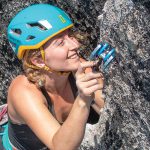
- Kaya Lindsay

- Kaya Lindsay
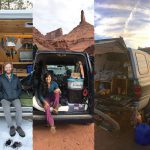
- Kaya Lindsay
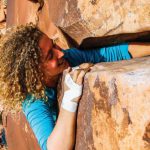
- Kaya Lindsay
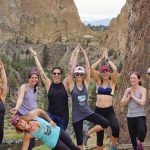
- Kaya Lindsay
- Kaya Lindsay
- Kaya Lindsay

- Kaya Lindsay
- Kaya Lindsay