Women’s History Spotlight: Eleanor Davis
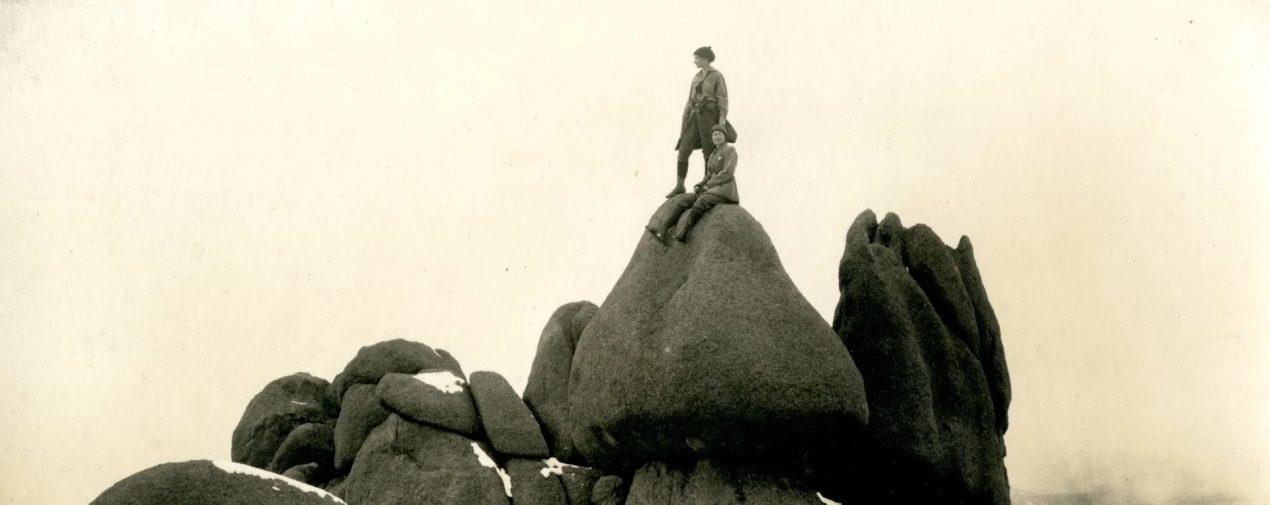
Long before the extensive trail and road systems that run like a lattice work through Colorado existed, there were a few intrepid climbers who answered the siren song of the high peaks. Among these brave few was a determined woman by the name of Eleanor Davis, who in time would enter the pantheon of climbing legends.
Before She Was A Mountaineer
Born in Massachusetts in 1885, Eleanor moved frequently with her family when she was young, but re-settled in Massachusetts before attending Boston College for gymnastics. She began working as a teacher in the east until she took a trip to Estes Park, Colorado during her summer off in 1912. That summer she made a climb of Longs Peak with a guide and some friends. It is in Estes Park that the mountains began to take their grip on young Eleanor.
Heading West To Colorado
After this transformative summer, she managed to get a job in Colorado Springs before moving on to become a Women’s Physical Education teacher at Colorado College in 1914. With ample free time in summer and living in the shadow of “America’s Mountain” (Pikes Peak), Eleanor began blossoming into the climbing legend that we know today. Later in the year of 1914, a man by the name of Albert Ellingwood returned to Colorado College after attending Oxford. Ellingwood was a mountaineer himself and had learned revolutionary climbing techniques from the Europeans while abroad. Soon, Eleanor and Albert were climbing and hiking frequently around the Garden of the Gods in Colorado Springs.
A Formative Crestones Expedition
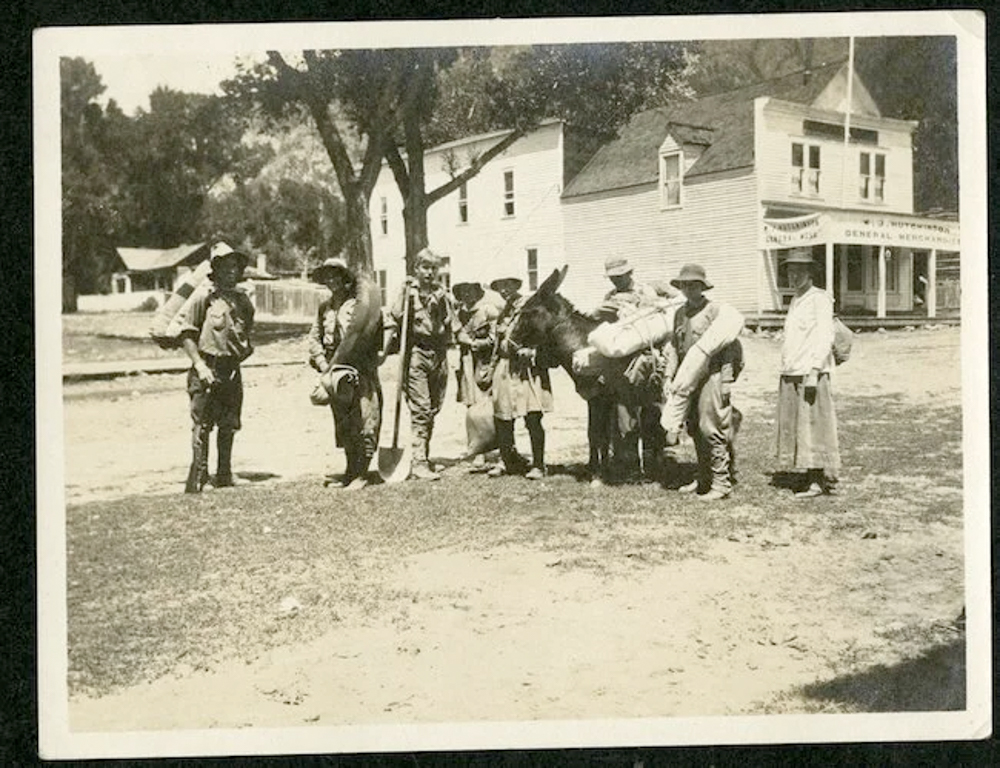
After a couple of years of rapidly gaining experience, in 1914 Eleanor set out on an audacious expedition along with Ellingwood and a crew of friends. The group planned to climb the 14ers in the Crestones, which includes what we refer today as Challenger Point, Kit Carson Peak, Crestone Peak, Crestone Needle, and Humboldt Peak, before heading south to climb Ellingwood Point and Blanca Peak. That itinerary is bold even by today’s standards, but at this time there was little road access and few cars around, so travel was limited to rail, foot, or horse.
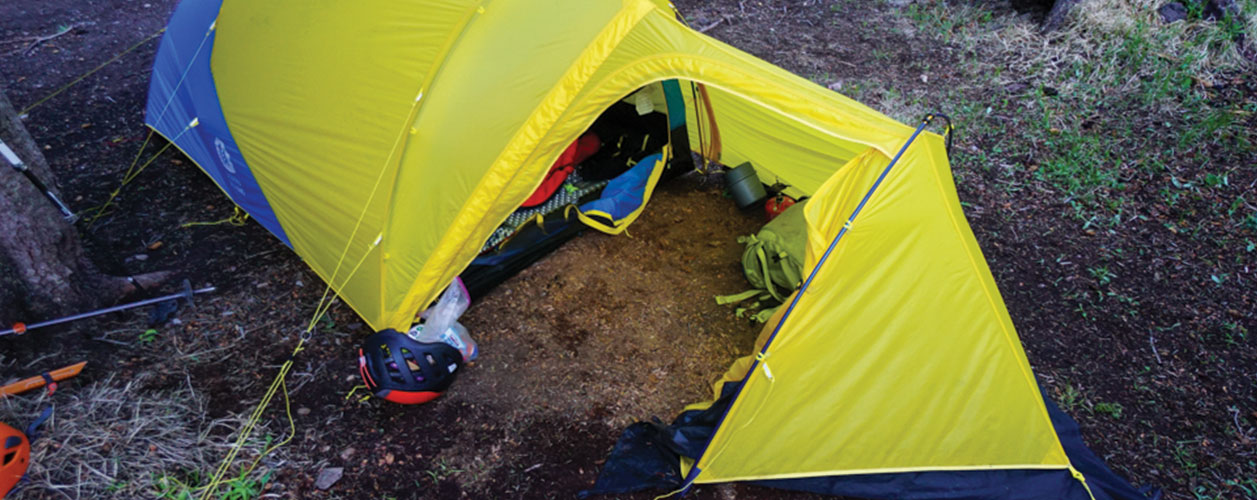
This was also the era before the outdoor industry advanced toward lighter and better gear, so equipment was frequently handmade or heavy military surplus gear. Eleanor did not have a sleeping bag but rather used army blankets and a tarp for cover (the Crestone trip was the one time Eleanor did use a tent). Also to note, Eleanor was among the new generation of female mountaineers that eschewed climbing in dresses and instead preferred knickerbockers.
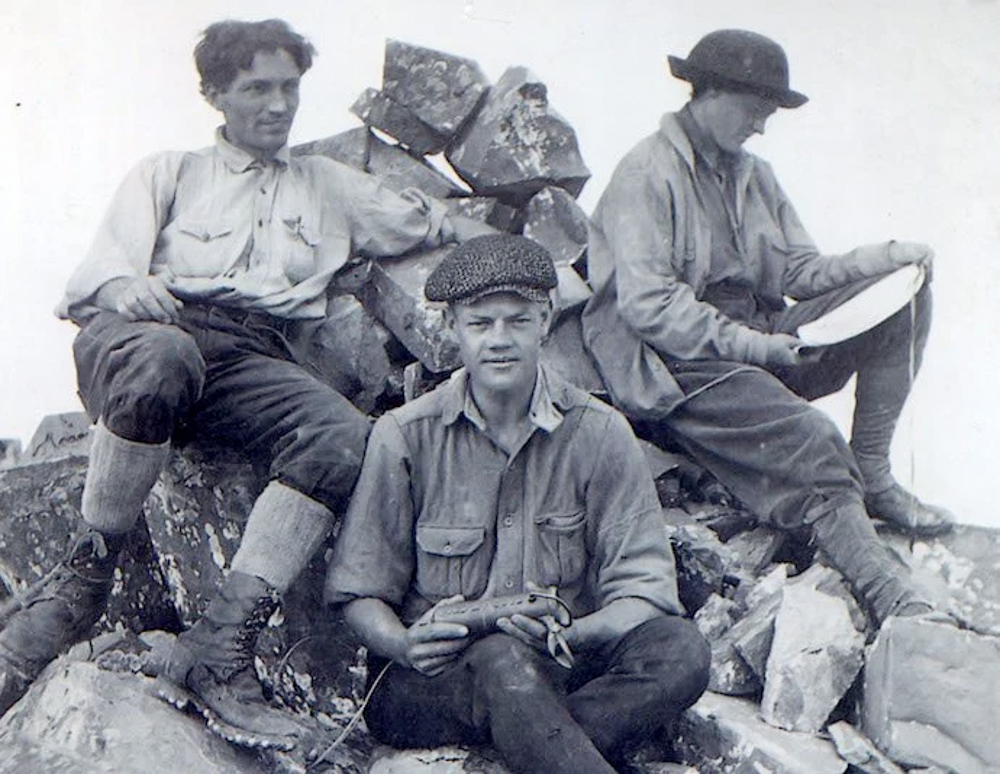
On July 19, 1916, Eleanor Davis, Albert Ellingwood, and companion Bee Rogers made the first ascent of Kit Carson Peak via the NW Ridge, which is seldom climbed today due to its difficulty. After a rest day in camp, the whole group made a first ascent of centennial peak Mt. Adams. Davis, Ellingwood, and Rogers also snagged the first ascent of its sister peak, Peak 13,548.
Then, on July 23, most of the group moved their camp one valley south to Spanish Creek to make an attempt at summiting the allegedly “unclimbable” Crestone Peak and Needle. Up until this point, the Crestones were the only 14ers in Colorado that had yet to be climbed, with Crestone Needle being deemed unclimbable. On the fateful day of July 24, 1916, Eleanor Davis, Albert Ellingwood, Bee Rogers, and Joseph Deutschbein left camp and ascended the North Arete to the summit of Crestone Peak. That afternoon, the group made history by snagging the first ascent of the Crestone Needle via the Crestone Traverse, which is today considered one of the best and most difficult routes on all of the Colorado 14ers.
After making history in the Crestones, the group retired to Crestone, CO where part of the party returned home. Eleanor Davis and a few others continued on foot south across the Great Sand Dunes to the Blanca group of 14ers where they continued their string of successes with a first ascent of Ellingwood Point and an early ascent of Blanca Peak.
Solidifying Her Place As A Legendary Mountaineer
For the next several years, Eleanor continued to work at Colorado College and climbed often. Some of her notable climbs from 1918 to 1923 include:
- Mosquito Range – Mt. Lincoln, Mt. Bross, Mt. Democrat, and Mt. Buckskin.
- Elks Range- Castle Peak, Conundrum Peak, Pyramid Peak, and South Maroon Peak.
- Front Range – Mt. Blue Sky (then Mt. Evans), North and South Arapahoe, and Grays and Torreys Peak.
- Sawatch Range- Grizzly Peak, Mt. Elbert, Mt. Massive, Mt. Yale, Mt. Harvard, Mt. Princeton, Mt. Antero, La Plata Peak, and Mt. of the Holy Cross.
- Ten Mile Range- Quandary Peak.
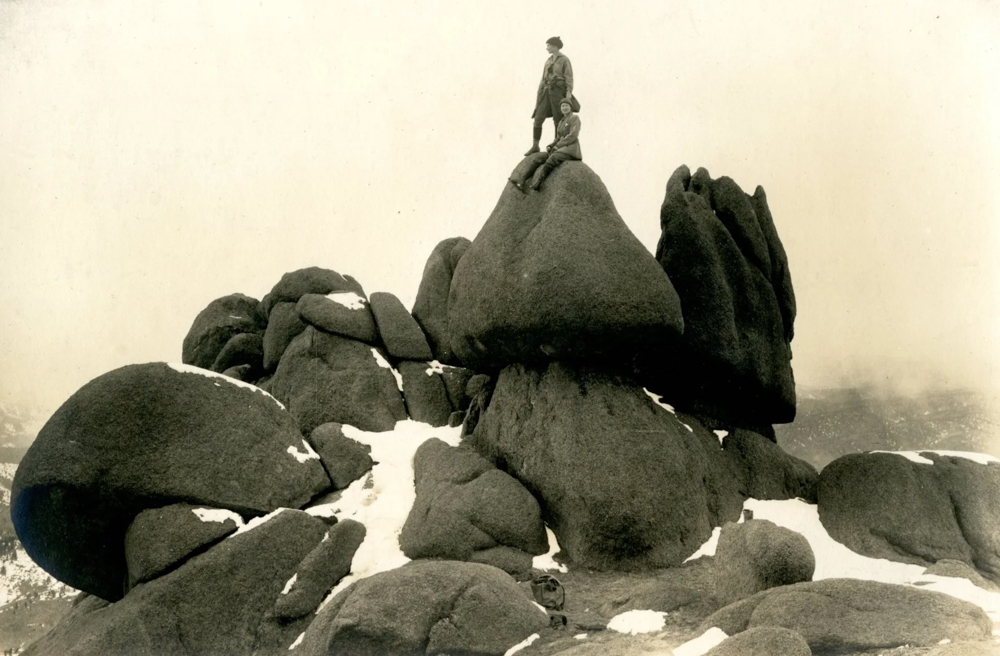
In the summer of 1923, Davis, along with Ellingwood, headed north to the Grand Tetons, where Davis made arguably her most important contribution to women’s mountaineering history. On August 27, 1923, Davis and Ellingwood climbed the Grand Teton via the Owen-Spalding route. Ellingwood describes in his notes that at one point he gave Davis a shoulder to surmount a difficulty and later on Davis took the lead because “she had sneakers, it seemed safer to send her up the rock first while I anchored below. She had no trouble to speak of.” After weaving their way up the Grand’s icy face, they reached the summit and Eleanor Davis became the first woman to reach the highly coveted Grand Teton summit. An ascent of the Grand Teton at this time was a very significant accomplishment, solidifying Eleanor Davis as a mountaineering legend. The team would go on to grab the first ascents of Middle and South Teton as well, although only Ellingwood reached the summit of the Middle Teton due to a storm rolling in.
She returned to Wyoming the following year and completed a series of difficult peaks in the Wind River Range before returning to the Tetons, where she and Ellingwood snagged an early ascent of Mt. Moran and the first female ascent of the mountain. Davis was on the sharp end during the entire ascent of Mt. Moran due to Ellingwood having a hurt shoulder. After Wyoming, her streak continued with ascents of Mt. Cleveland and Mt. Wilbur in Glacier National Park with Eleanor Bartlett (another lady crusher of the era and frequent climbing partner to Davis).
Establishing A “50 Classic”
Eleanor Davis made her final large contribution to climbing history in 1925 with the ascent of a “50 Classic.” She had a banner year with ascents of Capitol Peak, Snowmass Mountain, Humboldt Peak, and potentially the first ascent of Culebra Peak with Ellingwood. However, her climb of the Ellingwood Arete with Ellingwood that summer would have a lasting legacy. The Crestones had captivated them from their first ascents a few years prior so a return trip was planned. On this trip, they boldly climbed the NE ridge which would come to be known as the Ellingwood Arete. This feature is one of the most striking features of all of the Colorado 14ers and anyone who has been to South Colony Lake has been awed by it.
Winding Down After A Career Of Bold Ascents
After more than a decade of daring ascents across the western US, Eleanor Davis retired from mountaineering after getting married in 1930, quitting her job at Colorado College, and settling down with kids. This did not stop her from continuing a very active outdoor lifestyle though; she merely stepped away from mountaineering due to the dangers. She continued to hike, camp, fish, and participate in outdoor club outings frequently. She remained active in the outdoor community as a member of the Sierra Club, the Colorado Mountain Club, the American Alpine Club (which she was the first woman from Colorado to be invited to), along with many local groups in and around Colorado Springs. She enjoying a long life in the outdoors finally passing at the age of 108 in 1993.
Leaving A Lasting Legacy
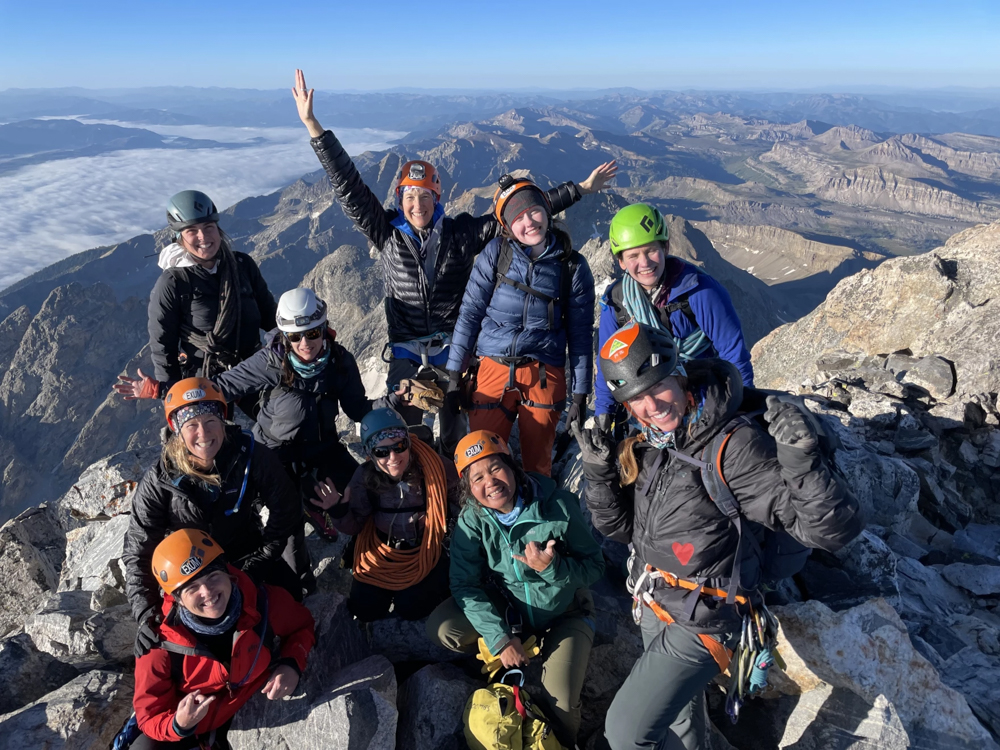
Eleanor Davis left an undeniable mark on women’s mountaineering history. In 2016, on the anniversary of Eleanor Davis’ fateful ascent of the Grand Teton an all-women’s team climbed the peak in her honor. As Coloradans ourselves, we have always been curious about the mythic Eleanor Davis and am glad we have finally done a deep dive into her legacy. She has remained an elusive subject as she is remembered by her peers for being solely focused on climbing in the moment. To stay grounded in the present she didn’t take photos or notes and one climbing partner even mentioned she liked to refrain from talking at times because it detracted from the moment.
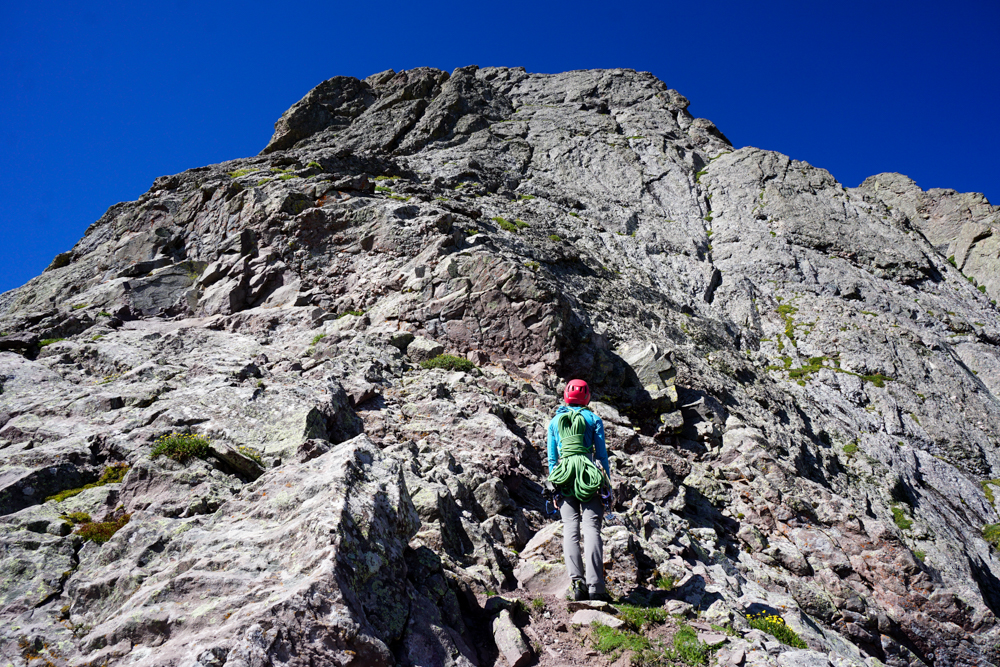
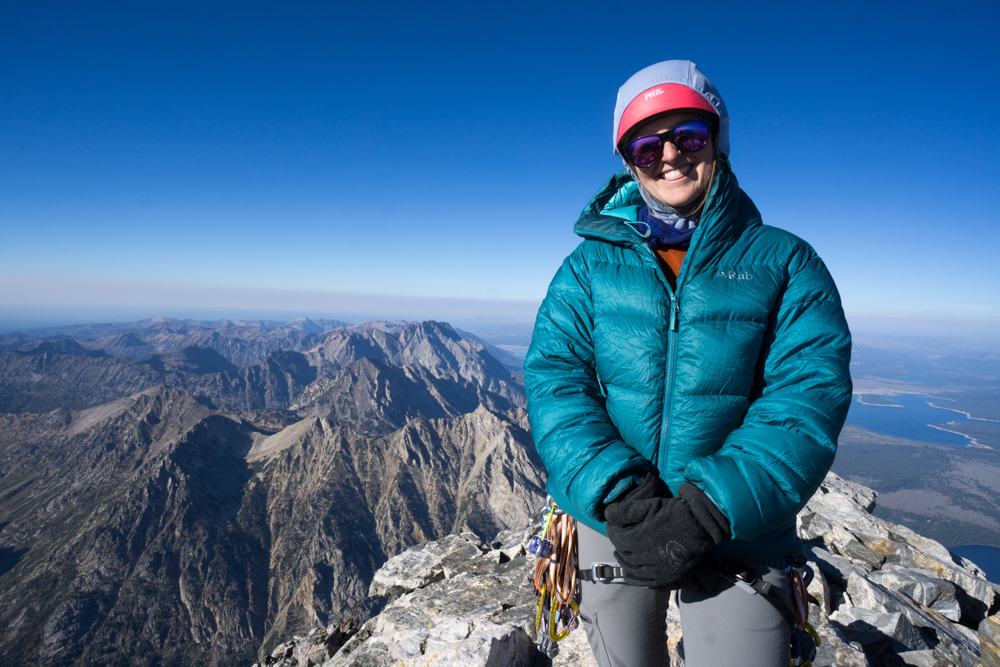
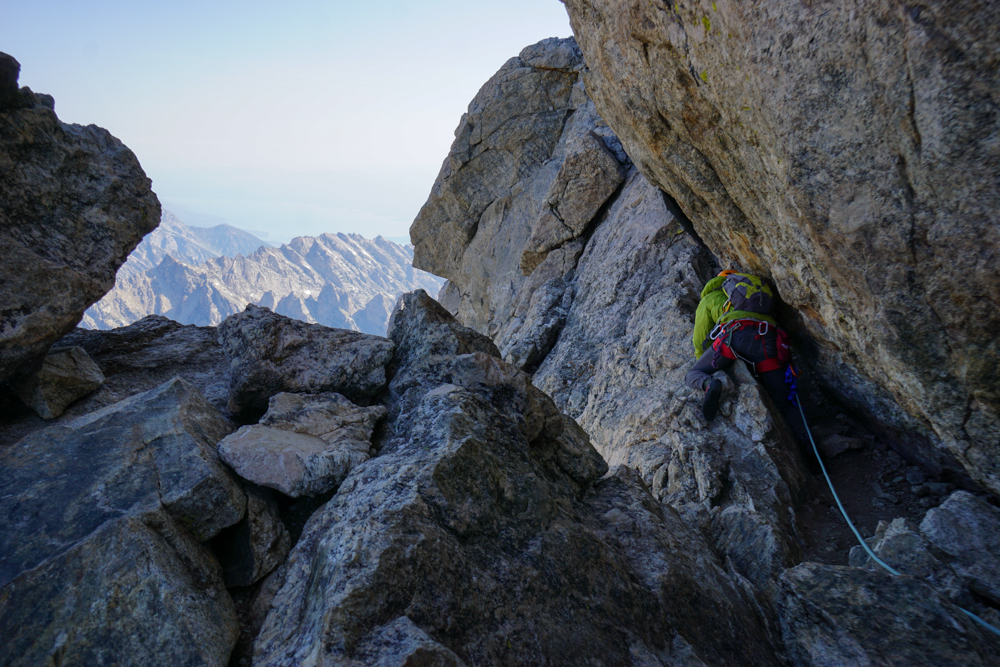
Due to the lack of first hand material from her, her story has faded a bit into the background of those around her. Eleanor’s proximity to the also legendary and charismatic Albert Ellingwood has also cast a large shadow over her exploits. He is known as Colorado’s most famous mountaineer and although they were climbing partners frequently, his writings, photos, descriptions, and general persona has outshone her more reserved temperament when telling the story of that era. The scant information we have on Eleanor Davis exemplifies her pure commitment to one of the core values of mountaineering being that it is something we do for ourselves. She didn’t climb the Grand Teton purposefully to become the first woman on its summit, but rather for the love of the sport.
Resources/References:
1. Albert Ellingwood Collection, American Alpine Club Library
2. Eleanor Bartlett Collection, American Alpine Club Library
3. Provost, H. (2025, May 6). Eleanor Davis, Humble Mountaineer — American Alpine Club. American Alpine Club. https://americanalpineclub.org/news/2023/9/1/eleanor-davis-the-first-female-ascent-of-the-grand-and-me
4. Habermann, H. (2023b, October 13). An all-women’s climb of the Grand Teton celebrates the first female ascent of the peak 100 years ago. Wyoming Public Media. https://www.wyomingpublicmedia.org/open-spaces/2023-09-01/an-all-womens-climb-of-the-grand-teton-celebrates-the-first-female-ascent-of-the-peak-100-years-ago
5. Ellison, J., & Ellison, J. (2024b, April 30). Onward & Upward: A century of women climbing in the Tetons. Alpinist. https://alpinist.com/features/100-years-of-women-climbing-in-the-tetons/
6. Oral history interview with Eleanor Davis Ehrman. (n.d.). History Colorado. LucideaCore ARGUS.net. https://5008.sydneyplus.com/HistoryColorado_ArgusNet_Final/Portal/Portal.aspx?component=AAFG&record=1f74c231-0f6d-44f3-8ab9-c3df825496f4
7. Gibbs Peak Trip Report 07/08/2016. (n.d.). 14ers.com. https://www.14ers.com/php14ers/tripreport.php?trip=17092
8. Sauter, K. (2025, May 6). Self-Powered Adventure 100 years ago — American Alpine Club. American Alpine Club. https://americanalpineclub.org/news/2020/8/28/albert-ellingwood-100-years-ago
About the Gear Tester
Emma Ely
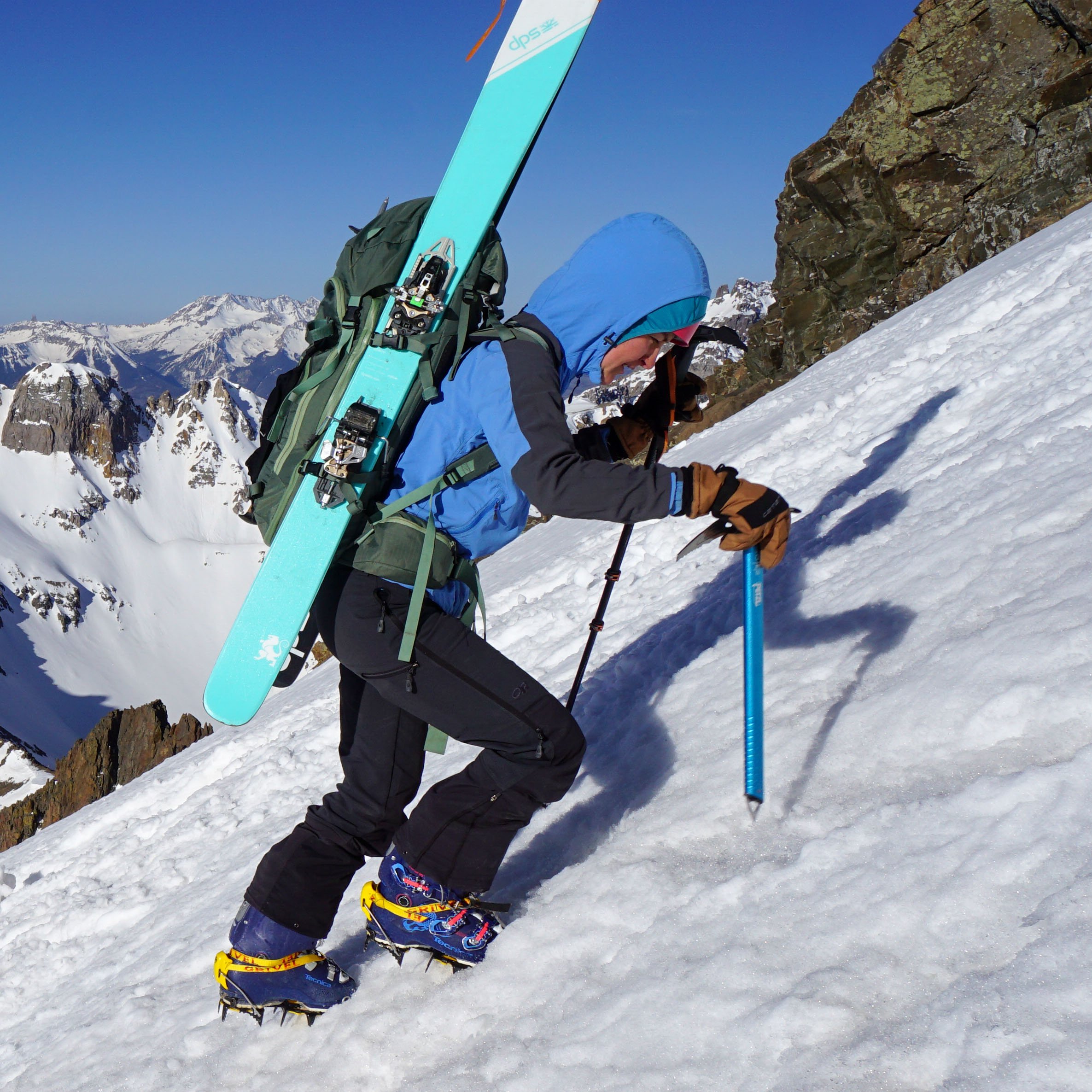
Emma is an Environmental Engineer, working for the State of Colorado to protect the quality and safety of drinking water. In her free time, Emma is an avid climber, ski mountaineer, and yoga instructor. You can also find Emma biking and drinking beer around her favorite town, Golden, with her adventure hound Zeke.
Zach Eiten
Zach is an aspiring alpinist, ski mountaineer, climber, and photographer. He currently works as a sea kayak guide in Alaska during the summer. He takes the winters off to ski and ice climb. Zach previously worked as a Wildlife Biologist in Colorado. You can find him climbing and skiing with fellow gear tester and wife, Emma and their adventure dog, Zeke.
-
Zach Eiten
-
Zach Eiten
-
Zach Eiten
-
Zach Eiten
-
Zach Eiten
-
Zach Eiten
-
Zach Eiten
-
Zach Eiten

-
Zach Eiten
-
Zach Eiten
-
Zach Eiten
-
Zach Eiten
-
Zach Eiten
-
Zach Eiten
-
Zach Eiten
-
Zach Eiten
-
Zach Eiten
-
Zach Eiten
-
Zach Eiten
-
Zach Eiten
-
Zach Eiten
-
Zach Eiten
-
Zach Eiten
-
Zach Eiten
-
Zach Eiten
-
Zach Eiten

-
Zach Eiten
-
Zach Eiten
-
Zach Eiten
-
Zach Eiten
-
Zach Eiten
-
Zach Eiten
-
Zach Eiten
-
Zach Eiten
-
Zach Eiten
-
Zach Eiten