
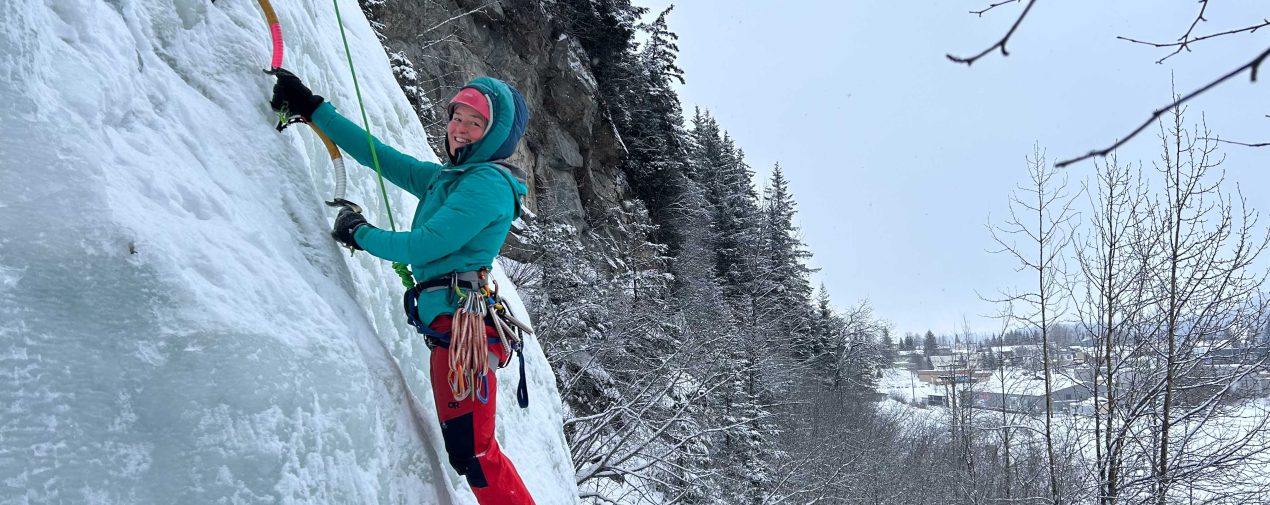
Breaking Down Your Winter Gear Checklist
Whether you’re already mourning the cold, snowy winter months, or eagerly pulling out rock climbing, mountain biking, or summer camping gear, don’t be too hasty about correctly storing your winter gear.
Properly maintaining and storing ski, climbing, and winter camping gear will help extend the life of your expensive equipment. It will also prevent any headaches at the beginning of next winter season when you pull all of that gear back out. So, take the time to follow some of these simple and effective tips and tricks for breaking down your winter gear.
Ski Gear
Skis
The best thing you can do for your skis is to apply a generous coating of wax to your bases and don’t scrape the wax off. This keeps the porous base lubricated from drying out and protected from any scratches and dings that can happen in storage. You can also take your wax bar and run it down the edges of your skis to prevent rust from forming. If you have rust already formed, give your edges a tune to try and remove as much rust as you can. Try to store your skis in a dry place to prevent any more rust from forming.

Skins
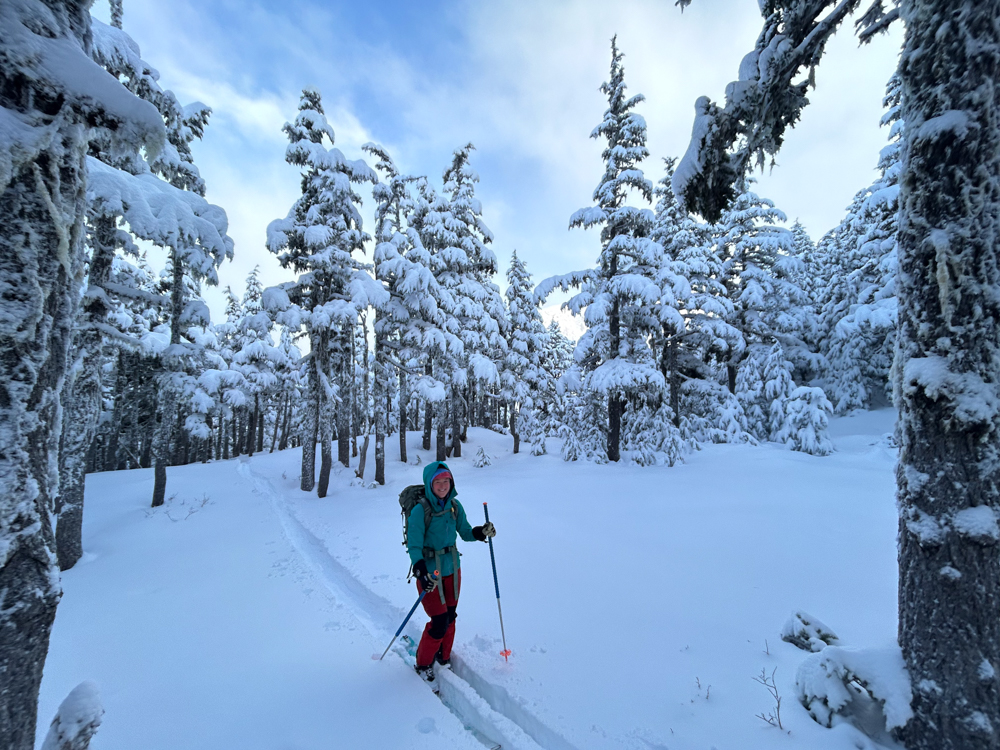
Depending on how spring ski conditions were, your skins may have taken a beating (ours sure did up here in coastal Alaska!). To keep your skins fresh, give them a once over and remove any debris you find. If you kept your skin saver sheets, put your skins back on the sheet to prevent any damage to the glue.
An extra trick is to store them in the freezer (if you have space). This can help prevent the glue from degrading. If you don’t have space in your freezer, just make sure to store them somewhere cool and definitely don’t accidentally leave them on your skis unless you want to deal with a big mess at the beginning of next season (don’t ask me how I know that).

Ski Boots
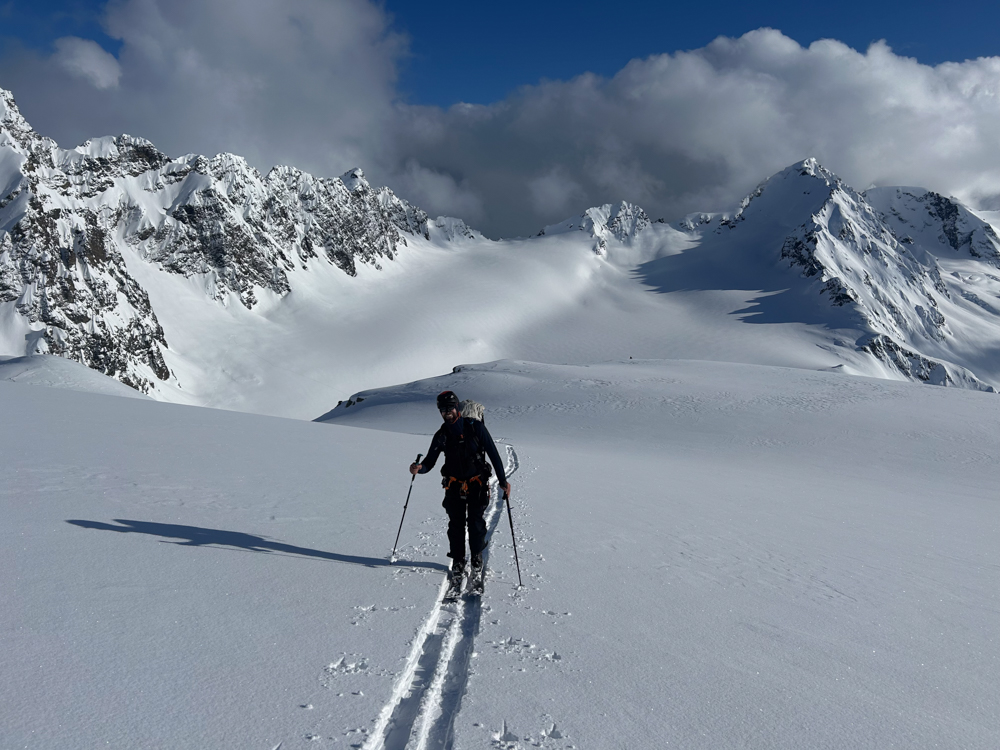
Before putting your ski boots in their winter home, be sure to fully dry out those boot liners so they don’t get crunchy or moldy. It is also good practice to buckle your boots lightly to keep the shape of the boot.
Beacon
Make sure to take the batteries out of your beacon for the season! This extends the life of the batteries and also prevents any corrosion problems from developing inside of your beacon. Especially since this is lifesaving gear, make sure you are taking care of it!
Climbing Gear
Ice Screws
At the end of season it’s a good time to take inventory of your ice screws – check for rust, damaged screws, and separate any screws that need to be professionally sharpened, versus those that just need to be touched up at home. After your screws are back in condition, apply a silicone-based lubricant to the entire ice screw, inside the tube and outside, especially get it on the teeth. This can be applied using a fabric rag you have lying around. Applying a silicone-based lubricant will prevent rust from forming and can help the screws from binding in wet ice during the season. If you kept track of your ice screw caps, pop those back on to protect the teeth from extra damage.


Ice Axes/Tools
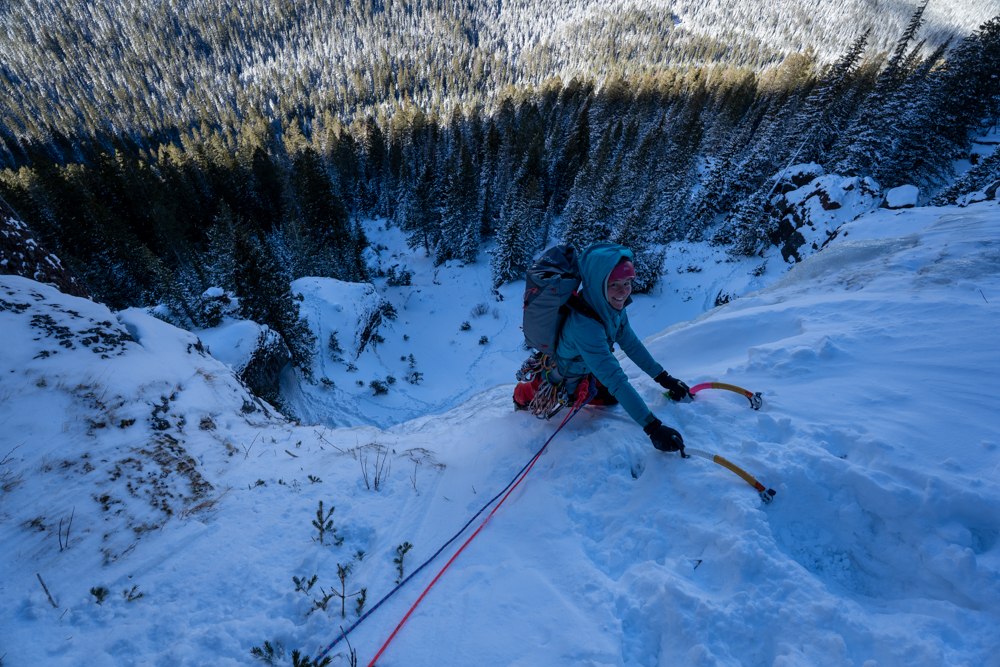
Similar to your ice screws, you can touch up the picks and get rid of any rust that may have formed. If you want to be extra diligent, you can remove your picks to prevent any of the screws from sticking. The main thing is just to store your axes and tools somewhere dry.
Crampons
As with the rest of your climbing gear, make sure your crampons are stored in a dry place, remove any rust you find, and touch up the sharp bits. Like the ice screws you can apply a silicone based lubricate to prevent any rust if you live in a humid area.
Miscellaneous Winter Gear
Winter sleeping bag
If you did any winter camping, you might have an extra warm sleeping bag that doesn’t stay out for the spring and summer months. Best practice is to wash your sleeping bag (depending on how much you used it) and put it through the dryer with multiple tennis balls to help loft the insulation. Store your dried sleeping bag in a loose mesh or cotton bag so the down/insulation doesn’t get compressed. Repeat this process for any belay parkas and down jackets that you used this winter.
Hardshells
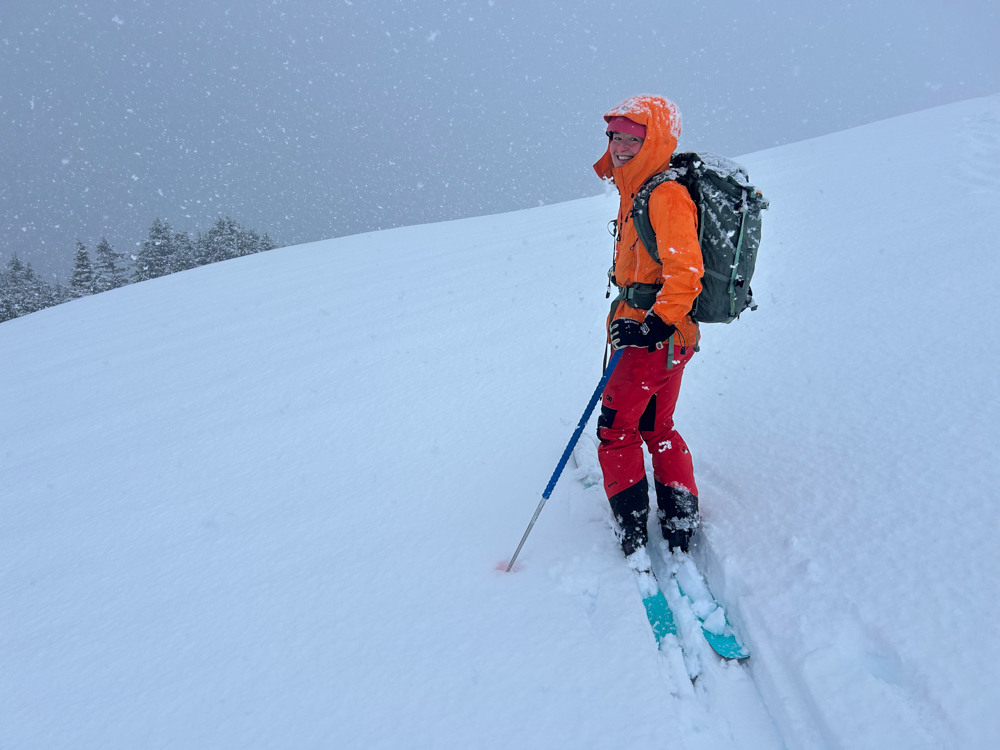
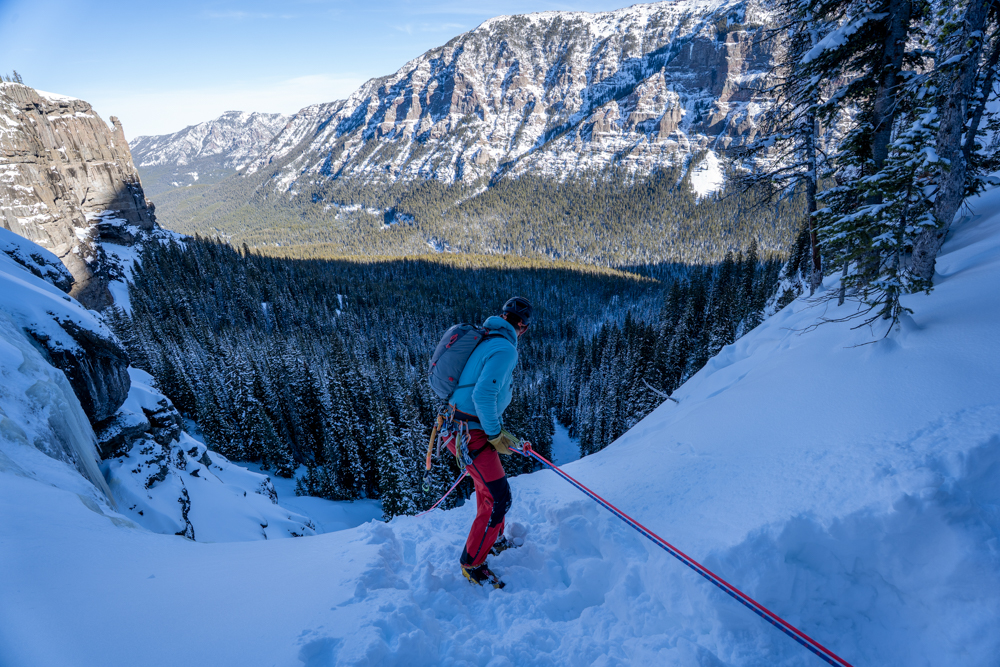
For any hardshell jackets, bibs, or pants, it can seem counterintuitive to wash them but cleaning them restores their waterproof abilities. Check what is recommended by your particular brand, but washing hardshells with something like Nikwax Tech Wash, can improve their ability to wick water.
Your winter gear will thank you next season for the diligence you put in now as the season changes. Hopefully, some of these tips and tricks will pay dividends in the longevity of your winter equipment. A little extra love at the end of the season could mean extending the life of your favorite skis or ice tools.
About the Gear Tester
Emma Ely
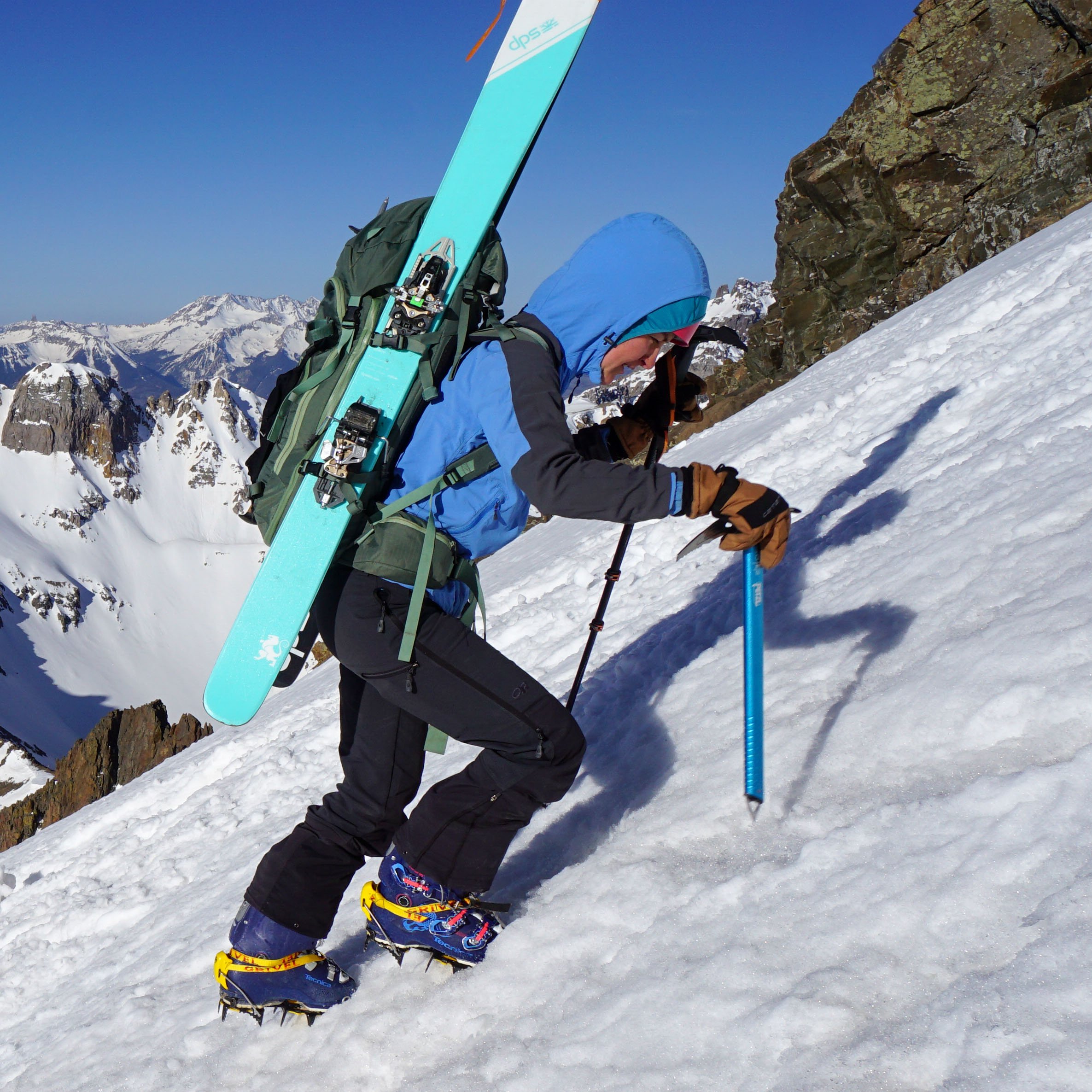
Emma is an Environmental Engineer, working for the State of Colorado to protect the quality and safety of drinking water. In her free time, Emma is an avid climber, ski mountaineer, and yoga instructor. You can also find Emma biking and drinking beer around her favorite town, Golden, with her adventure hound Zeke.

Zach Eiten
Zach is an aspiring alpinist, ski mountaineer, climber, and photographer. He currently works as a sea kayak guide in Alaska during the summer. He takes the winters off to ski and ice climb. Zach previously worked as a Wildlife Biologist in Colorado. You can find him climbing and skiing with fellow gear tester and wife, Emma and their adventure dog, Zeke.
-
Zach Eiten

-
Zach Eiten

-
Zach Eiten

-
Zach Eiten
-
Zach Eiten

-
Zach Eiten
-
Zach Eiten

-
Zach Eiten

-
Zach Eiten

-
Zach Eiten
-
Zach Eiten

-
Zach Eiten

-
Zach Eiten

-
Zach Eiten

-
Zach Eiten

-
Zach Eiten
-
Zach Eiten
-
Zach Eiten

-
Zach Eiten

-
Zach Eiten

-
Zach Eiten

-
Zach Eiten
-
Zach Eiten
-
Zach Eiten
-
Zach Eiten
-
Zach Eiten

-
Zach Eiten
-
Zach Eiten
-
Zach Eiten
-
Zach Eiten
-
Zach Eiten
-
Zach Eiten

-
Zach Eiten

-
Zach Eiten
-
Zach Eiten
-
Zach Eiten