
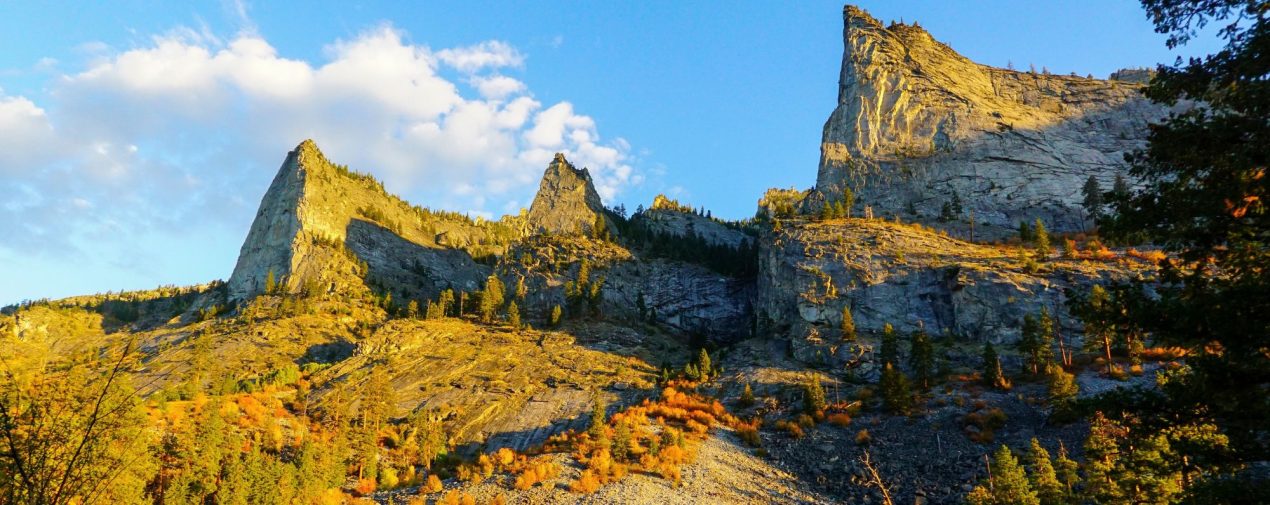
Plants of Fall: The Science Behind The Colors
The days have started getting shorter; there is a cool nip in the air, and the world seems to be quieting down. As you go out in nature, you might begin to notice some of the plants changing color, losing foliage, or dying off completely. Leaf peeping has become a popular fall activity across the United States, but have you ever wondered why the plants are changing color? Nature always has a purpose. Let’s dive into some of the mechanisms behind some of the brilliant plants of fall.
Two Paths of Fall
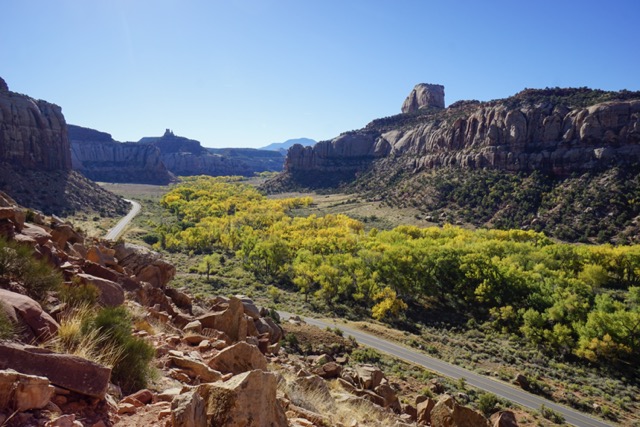
As fall approaches, plants take one of two paths: they persist through the winter months (evergreens) or become dormant and wait for the warmth of spring to return (deciduous). As their name suggests, evergreen plants stay ‘ever’ green and retain their leaves/needles year round. The best example is most conifers (pines, firs, spruces, etc.). Whereas deciduous plants lose their leaves each fall, such as maple, oak, aspen, cottonwoods, etc. The deciduous plants are the true stunners in the fall that we all yearn to see.
Leaf Color
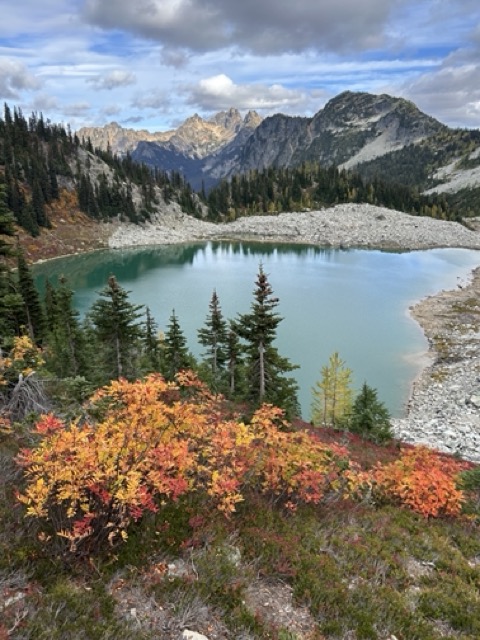
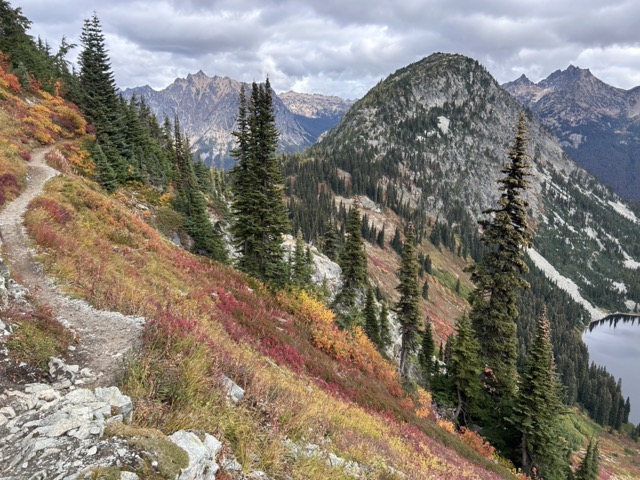
You may notice that there are a multitude of colors in the fall; yellow, orange, red, and even shades of purple. Some plants have multiple colors of leaves on the same plant, while others produce a spectrum of colors among the same species. As the tree begins to prepare for winter, the chlorophyll in the leaves begins to break down.
Chlorophyll is a green pigment that is the primary driver of photosynthesis for plants, so they can make sugar (glucose) for energy and the reason plants are primarily green in color. As the chlorophyll breaks down, the leaves lose this pigment and other pigments that used to be overpowered by the green chlorophyll start to show through.
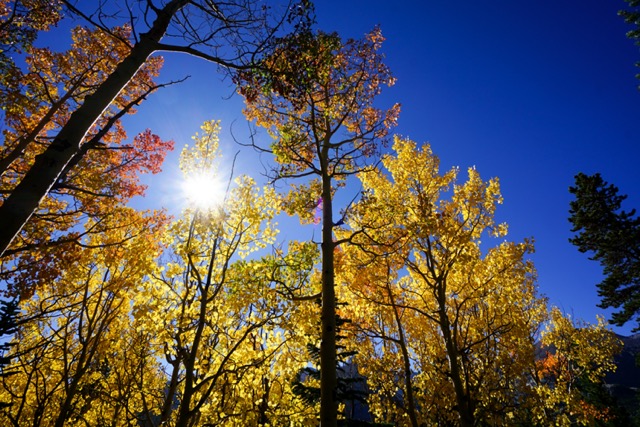
This is why we start to see all of the amazing colors of fall. Interestingly, yellow and orange are primarily caused by carotenoid pigments and the red and purple are caused by pigments called anthocyanins, which are basically sugars that have been left behind in the leaf.
Losing Their Leaves
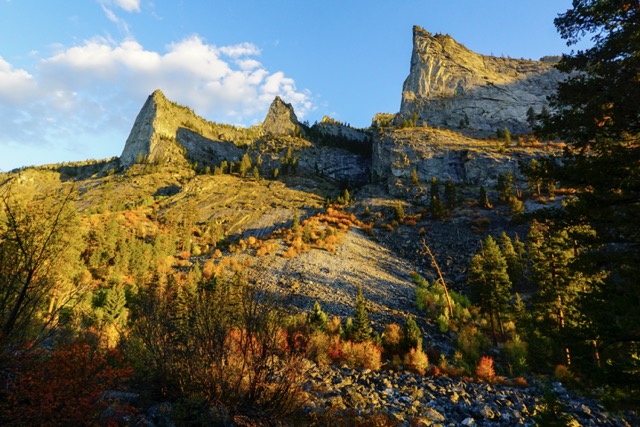
Most people know of the heavy hitters during leaf peeping season like the aspen of the West, maple of the Northeast, or the oak of the South. However, here are some truly special plants of fall and some unsung heroes that make the fall foliage extraordinary.
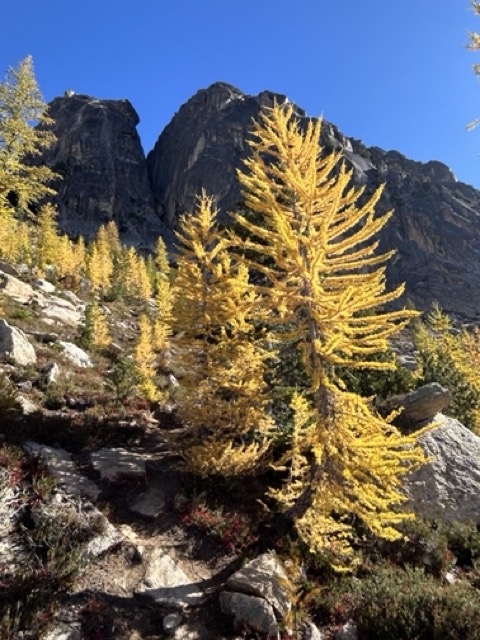
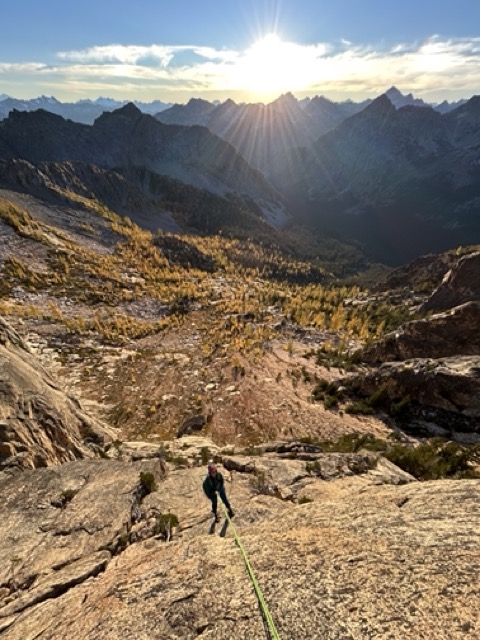
Although they are pretty popular in their own right and adored in the Pacific Northwest, one of the most interesting plants of fall is the larch. There are three kinds found in North America: the American Larch, the Western Larch, and the Sub-Alpine Larch. What makes them so unique is that they are one of the few deciduous conifers in North America that lose their needles in the fall. Aside from the larches, only a couple of species of cypress, like the Bald Cypress, are deciduous conifers.
Almost all conifers retain their leaves year-round because they have evolved to “invest” in tough, waxy needles that are costly to grow and require energy to maintain. However, this means most conifers can photosynthesize year round. Larches are fun because they have evolved to take the opposite approach. Rather than investing the energy into keeping leaves year round they instead shed them each fall, opting to grow them completely back in the following spring. Although this means they can’t photosynthesize at a moment’s notice, not having leaves around helps them conserve energy and protect against dangers like fire, wind, and insects. Either way, the quirky evolution of the larch has left us with an absolutely stunning tree come fall when they turn from green to an illustrious gold.
Other Plants of Interest
Another plant of note is the fireweed. Fireweed isn’t known for its fall foliage but rather its unique ability to act as a natural clock. The tall singular stalk of the fireweed is adorned with beautiful pink flowers that begin blooming from the base in the spring. As spring turns to summer, the flowers begin to slowly bloom upward. As the flowers below close and begin to fruit, the next group of flowers above bloom and so on and so forth. Finally as summer comes to an end the last flowers of the fireweed will bloom. As those final flowers at the very top of the fireweed die away, summer gives way to fall. If you didn’t know this incredibly unique trait about fireweed, I urge you to watch one next summer and predict the season with eerie accuracy.
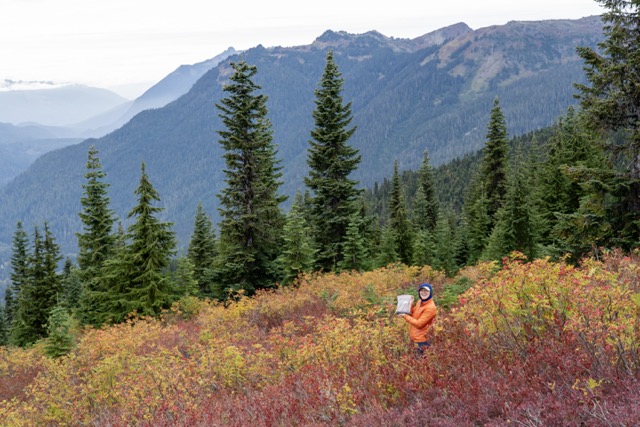
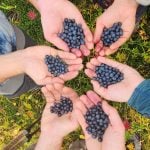
As fall sets in up here in Alaska, the birch and aspen get all of the love for turning the Boreal forests a sea of gold. When the clouds lift and expose the alpine above, however, the mountains are covered in a mosaic of crimson red, fiery oranges, and splotches of bright yellow. Those lesser known alpine plants, specifically the ones who turn the alpine tundras of the far north into blankets of red are frequently the work of the Alpine Bearberry and the Alpine Blueberry. These plants are well known and loved for their fruits, but their fall foliage is nothing short of spectacular.
Seasonal Beauty
A majority of the world is looking forward to fall more than usual this year, having survived the hottest summer on record. The cool air, longer nights, and promise of snow are a welcoming reprieve to the scorching summer sun. Each fall is different, depending on factors such as temperature and precipitation, so as you begin to nest into your cozy fall vibes, make time to go outside and awe at the variety of fall colors, maybe crunch some leaves under your feet. Let the plants remind us that each season is unique and requires something different from us. Fall gives us permission to change up our routine, invite in different activities, and maybe even slow down and rest.
About the Gear Tester
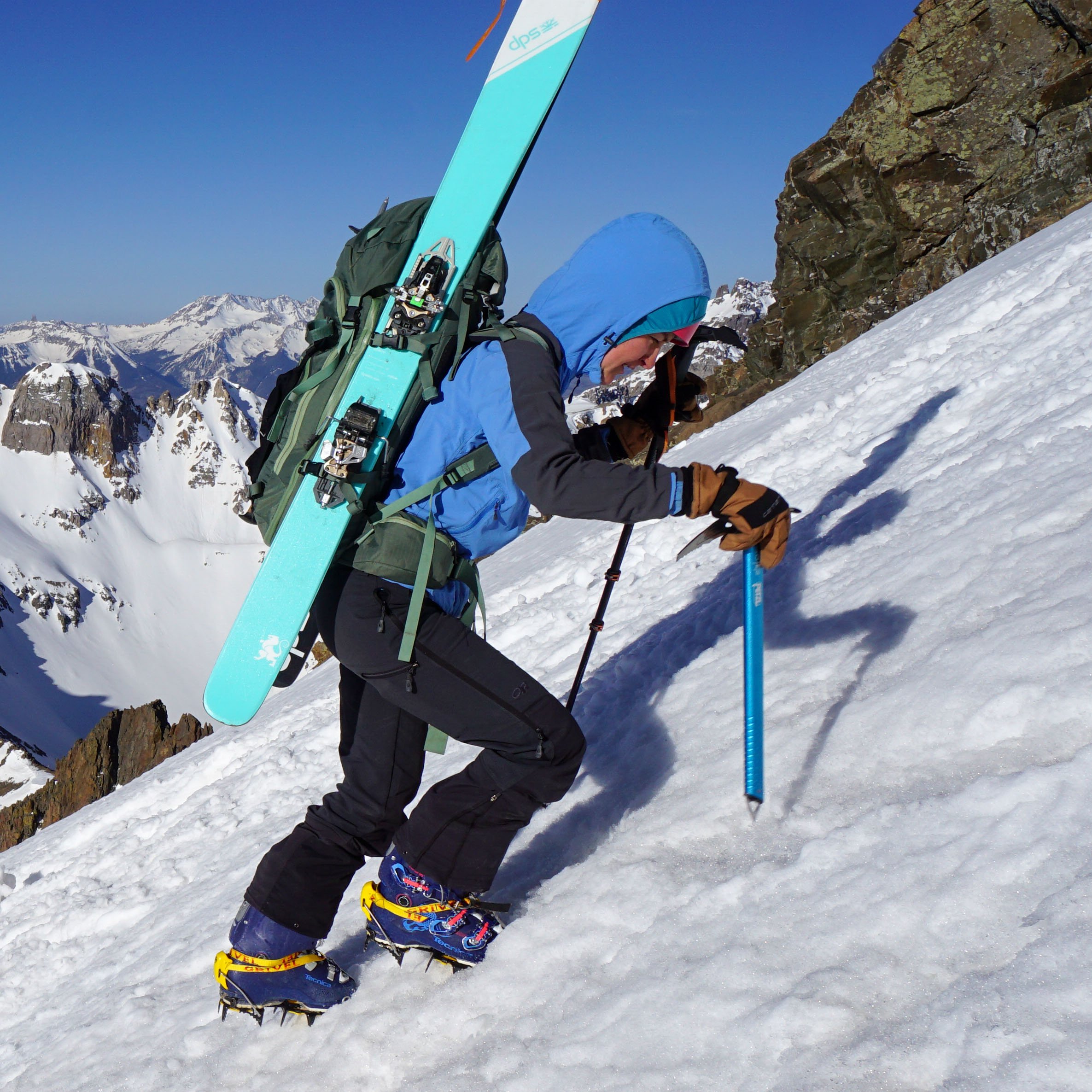
Emma Ely
Emma is an Environmental Engineer, working for the State of Colorado to protect the quality and safety of drinking water. In her free time, Emma is an avid climber, ski mountaineer, and yoga instructor. You can also find Emma biking and drinking beer around her favorite town, Golden, with her adventure hound Zeke.

Zach Eiten
Zach is an aspiring alpinist, ski mountaineer, climber, and photographer. He is a Wilderness First Responder and frequently volunteers with the Colorado Mountain Club to help train future mountaineers. Zach works part-time as a marine biologist in Alaska and a wildlife biologist here in Colorado. You can catch him climbing around Golden where he lives today.
-
Zach Eiten
-
Zach Eiten

-
Zach Eiten

-
Zach Eiten

-
Zach Eiten
-
Zach Eiten
-
Zach Eiten
-
Zach Eiten
-
Zach Eiten

-
Zach Eiten
-
Zach Eiten

-
Zach Eiten
-
Zach Eiten

-
Zach Eiten
-
Zach Eiten
-
Zach Eiten
-
Zach Eiten
-
Zach Eiten

-
Zach Eiten

-
Zach Eiten
-
Zach Eiten

-
Zach Eiten
-
Zach Eiten
-
Zach Eiten

-
Zach Eiten
-
Zach Eiten

-
Zach Eiten
-
Zach Eiten
-
Zach Eiten
-
Zach Eiten
-
Zach Eiten

-
Zach Eiten

-
Zach Eiten

-
Zach Eiten
-
Zach Eiten

-
Zach Eiten