Perseid Meteor Shower Guide
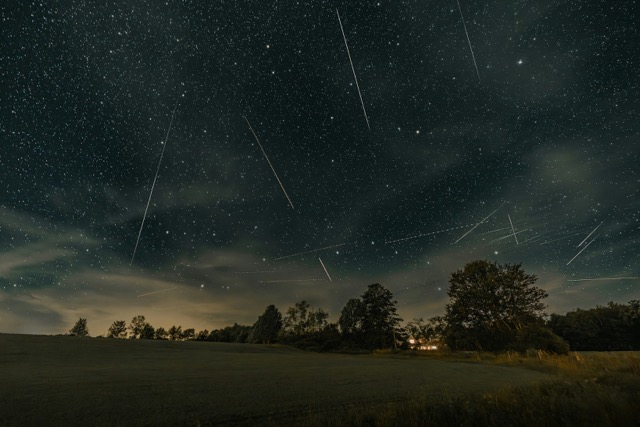
Every August, the night sky puts on one of its best shows of the year: the Perseid meteor shower! It is considered the most beautiful meteor shower of the year. We will see massive streaks of light in the sky as debris falls through Earth’s atmosphere. Sometimes as many as 50-100 meteors per hour!
Earth will pass through the debris trail of comet 109P/Swift-Tuttle, and the result is dozens of fast, bright falling stars.
The Perseids are active from mid-July through late August, but the showers peak on the night of August 12 into the predawn hours of August 13, 2026. And this year is extra special because a new moon falls right around the peak, meaning there’s no moonlight to wash out the fainter meteors. It will be pitch black (as long as you can escape light pollution), and the only light will come from hundreds of falling stars. Magic!
Under dark skies, you could see 70–100 meteors per hour at the height of the shower. If clouds roll in on peak night, don’t panic. Any clear night from about August 10 through 15 will still deliver a beautiful show.
Midnight to dawn will be the best time to see the most meteors, with the last two hours before sunrise being the sweet spot. That’s when Earth is rotating directly into the debris stream.
Where to See It
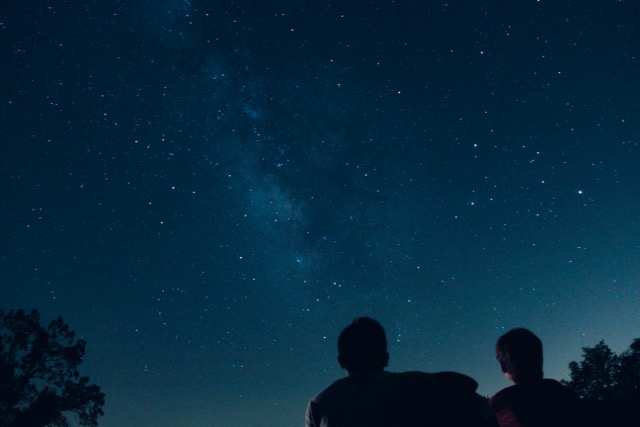
Light pollution is the enemy of meteor watching! The difference between a suburban backyard and a true dark-sky site is huge.
When picking out your best spot, take into consideration:
- A spot at least 30–45 minutes from city lights (like public lands, or a local park)
- An unobstructed view of open sky (a field, ridge, or high point works better than a valley)
- A clear forecast (check cloud cover the day before and have a backup location in mind!)
State parks, national forests, and designated Dark Sky Places are all great bets. No telescope or binoculars needed.
What to Bring
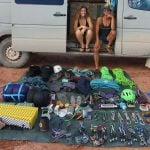
You don’t need much to stargaze, but having the right gear can make a huge difference. Keep yourself cozy, dry, and bring the snacks!
- A reclining camp chair or sleeping pad: you’ll be looking up for hours, and a camp chair or a pad laid flat on the ground lets you take in the whole sky without getting a crick in your neck
- A sleeping bag or camp blanket: throwing one over yourself while you lie back is a great way to keep the chill away so you can enjoy the views.
- A red-light headlamp: a regular white light will destroy your night vision (it takes 20–30 minutes for your eyes to adapt to the dark), so red-light mode lets you move around your set up location without resetting your night vision! It’s also handy to have one
- A thermos and snacks: hot coffee or cocoa at 3am? How can you say no?
- A friend to enjoy the view with: Not provided by Outdoor Prolink, must bring your own!
Why Should You Care?
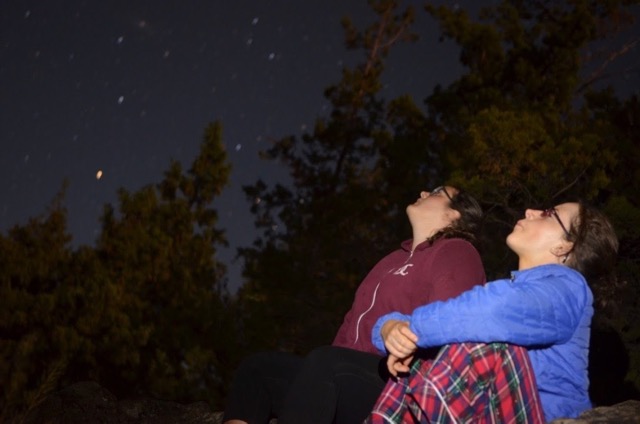
When was the last time you went stargazing? Events like this are a reminder to slow down and look up.
Most of us spend our nights under artificial light, disconnected from the sky our ancestors navigated by. Reconnect with yourself and take a look outside. A dark-sky night under a meteor shower is a beautiful way to spend a summer night.
It’s a great excuse to get outside, unplug for a few hours, and share something memorable with friends. The new moon during the peak is also lining us up for a startlingly beautiful night, you don’t want to miss it.
So grab your gear, find a dark patch of sky, and let the Perseids put on their show.
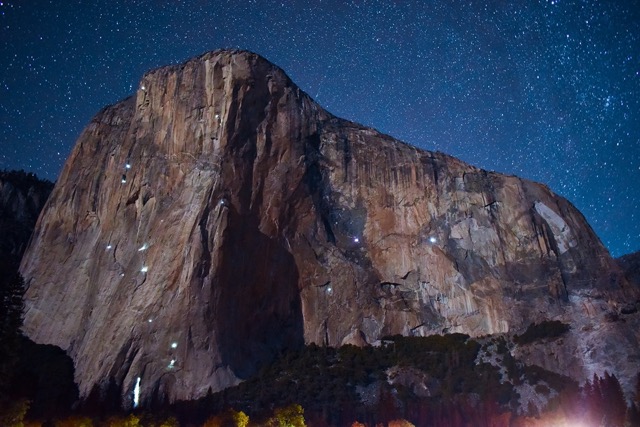
Cover Photo Credit: Kaya Lindsay
About the Gear Tester

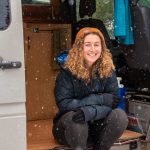
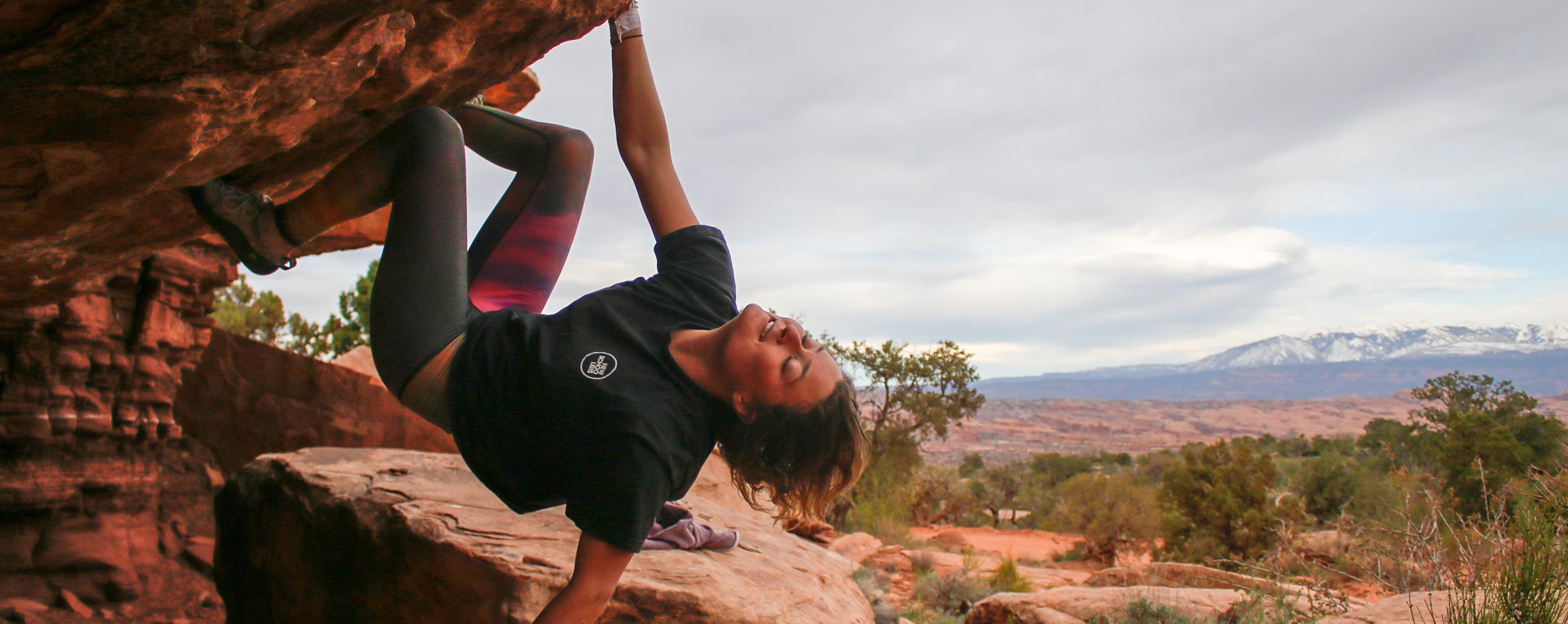
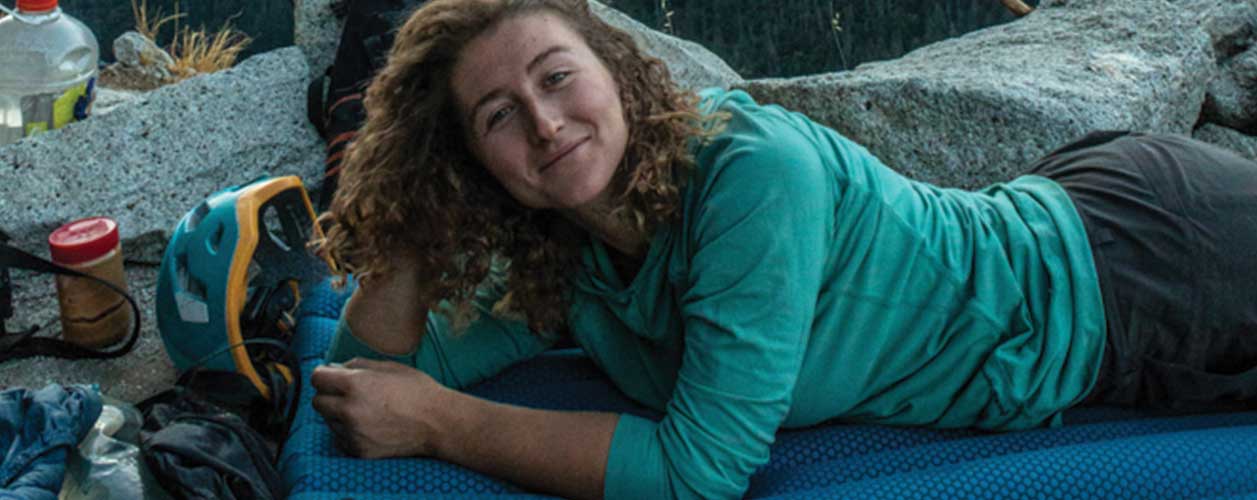
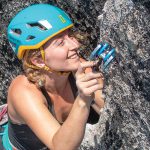
Kaya Lindsay is a writer, photographer, and filmmaker with a passion for rock climbing and the outdoors.
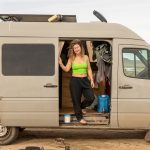
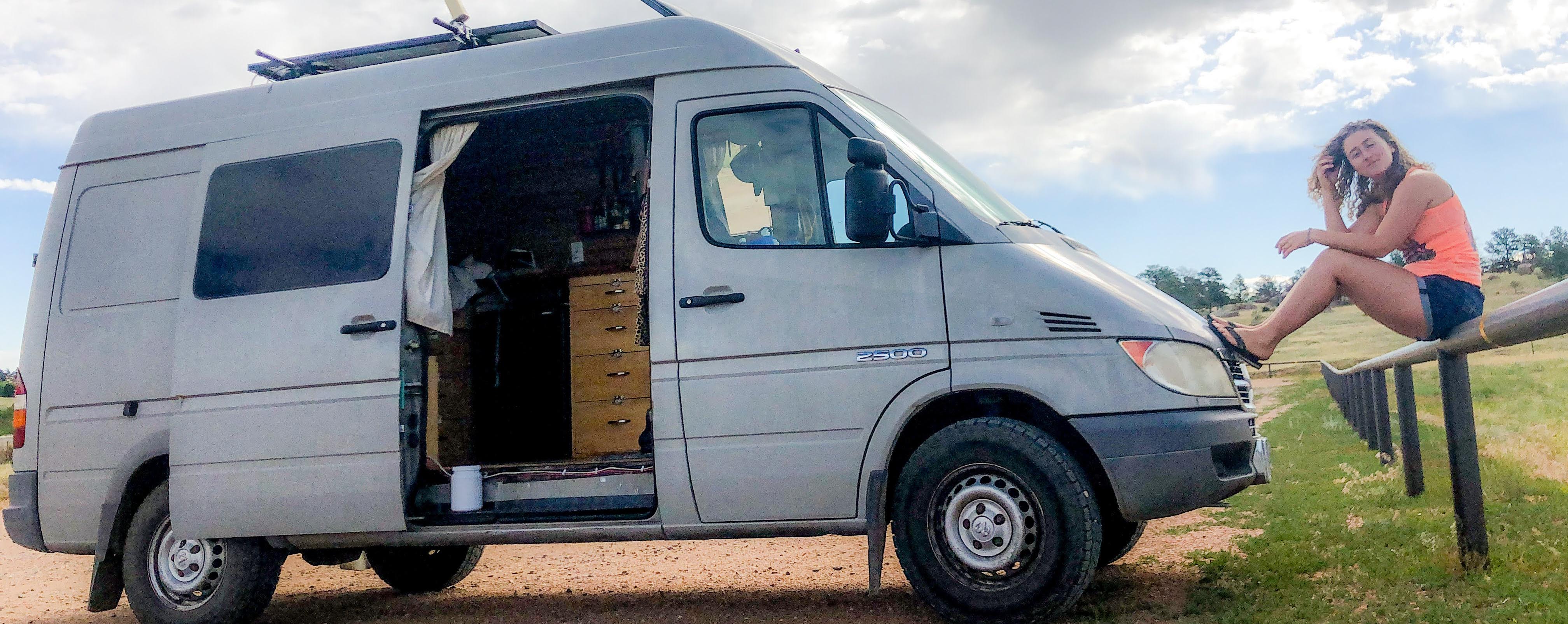
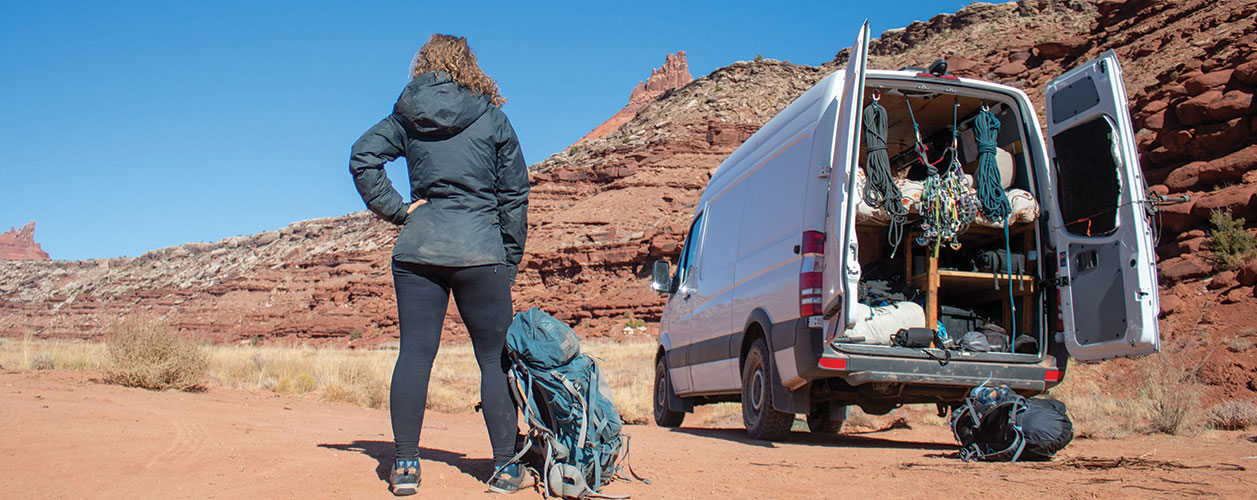
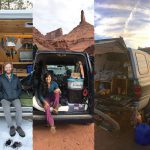
In 2016 she converted a Sprinter Van into a tiny home and has been traveling around the US & Canada to pursue her passion for rock climbing. Since hitting the road she has begun a career in filmmaking and is currently working on her One Chick Travels series, highlighting solo female travelers who live and work to pursue an adventurous lifestyle. Her films have been highlighted by major brands such as Backcountry and Outside TV. To fulfill her passion for writing, she chronicles her many adventures in her blog. Professionally, she writes for the adventure sports company Outdoor Prolink and The Climbing Zine. Kaya hopes to spend many more years in her tiny home on wheels, Lyra, and is currently living in Moab Utah.
- Kaya Lindsay
- Kaya Lindsay

- Kaya Lindsay
- Kaya Lindsay
- Kaya Lindsay
- Kaya Lindsay
- Kaya Lindsay
- Kaya Lindsay
- Kaya Lindsay

- Kaya Lindsay

- Kaya Lindsay
- Kaya Lindsay

- Kaya Lindsay
- Kaya Lindsay
- Kaya Lindsay
- Kaya Lindsay

- Kaya Lindsay
- Kaya Lindsay
- Kaya Lindsay
- Kaya Lindsay
- Kaya Lindsay
- Kaya Lindsay
- Kaya Lindsay
- Kaya Lindsay
- Kaya Lindsay
- Kaya Lindsay
- Kaya Lindsay
- Kaya Lindsay
- Kaya Lindsay
- Kaya Lindsay

- Kaya Lindsay
- Kaya Lindsay
- Kaya Lindsay
- Kaya Lindsay
- Kaya Lindsay

- Kaya Lindsay

- Kaya Lindsay

- Kaya Lindsay
- Kaya Lindsay

- Kaya Lindsay
- Kaya Lindsay
- Kaya Lindsay
- Kaya Lindsay
- Kaya Lindsay
- Kaya Lindsay
- Kaya Lindsay
- Kaya Lindsay

- Kaya Lindsay

- Kaya Lindsay

- Kaya Lindsay
- Kaya Lindsay
- Kaya Lindsay
- Kaya Lindsay
- Kaya Lindsay
- Kaya Lindsay
- Kaya Lindsay
- Kaya Lindsay
- Kaya Lindsay
- Kaya Lindsay
- Kaya Lindsay
- Kaya Lindsay
- Kaya Lindsay
- Kaya Lindsay
- Kaya Lindsay
- Kaya Lindsay
- Kaya Lindsay
- Kaya Lindsay
- Kaya Lindsay
- Kaya Lindsay
- Kaya Lindsay
- Kaya Lindsay
- Kaya Lindsay
- Kaya Lindsay
- Kaya Lindsay
- Kaya Lindsay
- Kaya Lindsay
- Kaya Lindsay

- Kaya Lindsay
- Kaya Lindsay
- Kaya Lindsay
- Kaya Lindsay
- Kaya Lindsay
- Kaya Lindsay

- Kaya Lindsay
- Kaya Lindsay